
Which Industries are Suitable for Polyurethane Foaming Machines? A Comprehensive Guide
Which Industries are Suitable for Polyurethane Foaming Machines? This is a crucial question if you're exploring ways to enhance your manufacturing process with versatile and efficient materials. Polyurethane foaming machines are specialized equipment designed to mix and dispense liquid polyurethane components, which then react to form a lightweight, insulating, and durable foam. Understanding where these machines fit can unlock significant benefits for your business.
You might be wondering how a single type of machine can serve so many different sectors. The answer lies in the incredible adaptability of polyurethane foam itself. It can be formulated to be rigid or flexible, dense or light, making it a perfect solution for applications ranging from keeping homes warm to making car seats more comfortable. The right foaming machine gives you precise control over this process.
In this guide, we'll walk you through the key industries that heavily rely on polyurethane foaming technology. By the end, you'll have a clear picture of whether your industry can leverage this powerful tool to improve product quality, efficiency, and sustainability.
1、Construction and Building Insulation
1.1、Spray Foam for Walls and Roofs
1.2、Panel and Sandwich Core Production
1.3、Door and Window Sealant Application
2、Automotive and Transportation
2.1、Seating and Interior Comfort Components
2.2、Acoustic and Vibration Damping
2.3、Lightweight Structural Parts
3、Furniture and Bedding Manufacturing
3.1、Cushioning for Sofas and Chairs
3.2、Mattress Core Production
3.3、Custom Molded Furniture Parts
4、Appliances and Cold Chain Logistics
4.1、Refrigerator and Freezer Insulation
4.2、Insulated Shipping Containers
4.3、Water Heater and Pipe Lagging
5、Specialized Industrial Applications
5.1、Packaging and Protective Cushioning
5.2、Marine and Buoyancy Products
5.3、Art, Sculpture, and Set Design
1、Construction and Building Insulation
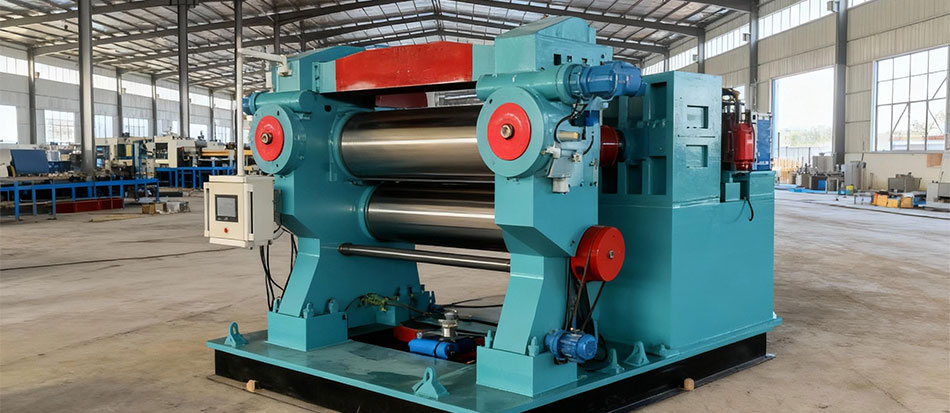
If you're in the construction industry, polyurethane foaming machines are a game-changer for insulation. You can use them to spray rigid polyurethane foam directly onto walls, roofs, or into cavities. This creates a seamless, high-performance thermal barrier that significantly reduces energy costs for heating and cooling. The foam expands to fill every gap, eliminating drafts and improving the building's overall air tightness. Beyond insulation, these machines are also used for sealing joints and gaps, providing excellent air and moisture barriers. For projects ranging from residential homes to large commercial buildings, integrating a polyurethane foaming system allows you to offer superior, long-lasting, and energy-efficient building solutions to your clients.
1.1、Spray Foam for Walls and Roofs
In the construction industry, your primary goal for walls and roofs is to create a continuous, high-performance thermal envelope. A polyurethane foaming machine, specifically a spray foam rig, is the ideal tool for this. You use it to apply liquid polyurethane components that expand on-site, filling every crack, crevice, and irregular surface. This creates a seamless layer of insulation that dramatically reduces air leakage, which is a major source of energy loss in buildings.
The advantage for you lies in the foam's dual function: insulation and air sealing. Unlike traditional batt insulation that can leave gaps, spray foam adheres directly to the substrate. This means you achieve a higher R-value per inch and a more consistent performance. For roofs, especially flat or low-slope commercial roofs, spray foam provides excellent waterproofing and weatherproofing properties when coated, extending the roof's lifespan.
From a project management perspective, using a foaming machine can speed up the installation process significantly. You can cover large areas quickly with a small crew. Furthermore, the foam's lightweight nature doesn't add excessive structural load. This makes it suitable for both new construction projects and retrofitting older buildings where improving energy efficiency is a key objective for you and your clients.
1.2、Panel and Sandwich Core Production
In panel and sandwich core production, your polyurethane foaming machine becomes the heart of a highly efficient manufacturing line. You use it to inject liquid polyurethane components between two facing materials, such as metal sheets, plywood, or fiberglass panels. The chemical reaction creates a rigid foam core that expands to fill the cavity, permanently bonding to the facings to form a single, strong, and lightweight composite structure.
The key advantage for you here is the exceptional strength-to-weight ratio and thermal insulation these panels provide. By precisely controlling the foam density and the dispensing process with your machine, you can produce panels for cold storage warehouses, industrial doors, prefabricated buildings, and even structural elements. The foam core acts as both an insulator and a structural adhesive, eliminating the need for separate glues and reducing production steps.
Your choice of foaming machine directly impacts panel quality and production speed. High-pressure machines ensure a thorough, homogeneous mix of components, leading to consistent foam cell structure and uniform mechanical properties across the entire panel. This consistency is non-negotiable for meeting building codes and performance standards for load-bearing and fire-rated applications.
Ultimately, integrating a polyurethane foaming machine into your panel production line allows you to create superior, energy-efficient building materials in a streamlined process. It enables you to offer products with excellent insulation values (R-values), dimensional stability, and design flexibility that are in high demand in modern construction and industrial applications.
1.3、Door and Window Sealant Application
When you consider the critical role of doors and windows in a building's energy efficiency, the application of polyurethane foam sealants becomes a key process. A polyurethane foaming machine allows you to precisely inject expanding foam into the gaps and cavities around door and window frames during installation. This creates a seamless, airtight, and watertight seal that rigid insulation boards or traditional materials like fiberglass cannot achieve with the same level of conformity.
The foam's expansion properties are its greatest asset for this task. As you dispense it from the machine, the liquid mixture fills every irregularity and crevice, bonding tightly to the surrounding substrates. This eliminates drafts and thermal bridging, which are major sources of heat loss. For you, this translates into significantly improved insulation performance, leading to lower energy bills for building occupants and enhanced comfort.
Beyond insulation, the foam provides structural support and acoustic damping. It helps secure the window or door frame in the rough opening, reducing movement and potential future rattles. The cured foam is also resistant to moisture and does not sag or settle over time, ensuring the longevity of the seal. This durability is a crucial factor for building maintenance and warranty considerations.
Using a dedicated foaming machine gives you control over the foam's density and expansion rate, which is essential for this application. You can avoid over-expansion that could warp frames or under-filling that leaves voids. Modern machines offer consistent mix ratios and output, allowing for clean, efficient, and repeatable application on every job site, whether for new construction or retrofit projects.
2、Automotive and Transportation
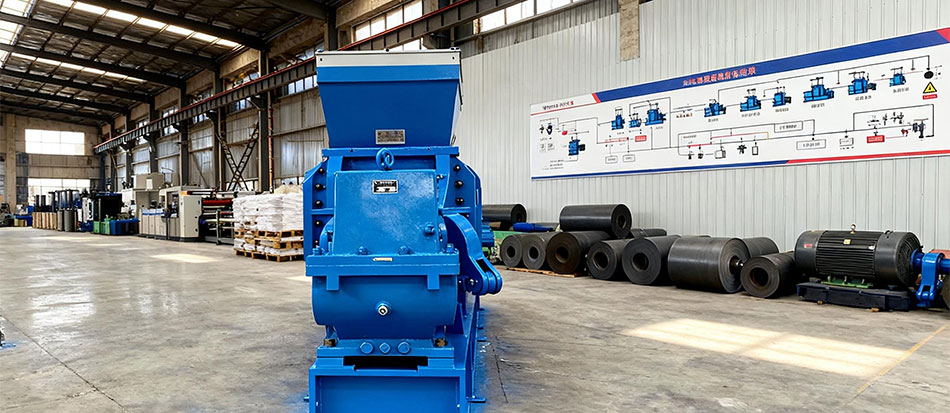
Now, let's shift gears and look at the automotive and transportation sector. If you're involved in this industry, you'll find polyurethane foaming machines are indispensable for both manufacturing and aftermarket applications. They are primarily used to produce a wide array of comfort and safety components. For instance, the comfortable seats in your car, the supportive headrests, and even the armrests are often made using flexible polyurethane foam created by these machines. This material provides the perfect balance of support and cushioning that drivers and passengers expect.
Beyond comfort, these machines play a critical role in vehicle efficiency and noise reduction. Rigid polyurethane foam is expertly injected into door panels, roof liners, and dashboards as sound-dampening insulation, creating a quieter cabin experience. Furthermore, the same rigid foam is used to insulate refrigerated trucks and containers, ensuring temperature-sensitive goods are transported safely. By using a polyurethane foaming machine, you can produce lightweight, high-performance parts that contribute to better fuel economy and enhanced vehicle durability, meeting the industry's stringent demands for quality and innovation.
2.1、Seating and Interior Comfort Components
When you think about automotive seating, the goal is to create a component that is not just a place to sit, but a system that provides long-term comfort, support, and durability. This is where polyurethane foaming machines become indispensable. They allow manufacturers to produce molded foam cushions and backrests with precise density and firmness profiles. You can tailor the foam's characteristics—from soft, energy-absorbing headrests to firmer, supportive seat bases—all within a single, automated production cycle.
The process involves injecting the liquid polyurethane mixture into a mold that defines the seat's final shape. The foam expands to fill every cavity, creating a seamless, one-piece component that is both lightweight and structurally sound. For you, this means achieving complex geometries and integrated features (like bolsters or side supports) without the need for additional assembly steps, significantly streamlining your production line and reducing labor costs.
Beyond the main cushion, these machines are critical for manufacturing a wide array of interior comfort components. This includes armrests, headrests, door panel inserts, and even the padding under the fabric or leather trim. The foam's excellent vibration damping properties contribute directly to a quieter, more refined cabin experience for the end-user, a key selling point in today's competitive automotive market.
Furthermore, the versatility of modern polyurethane formulations processed by these machines allows you to meet stringent industry standards. You can produce foams that are flame-retardant, resistant to oils and fuels, and designed for low fogging (minimizing the release of volatile compounds that can fog up windows). This ensures the final vehicle not only meets comfort expectations but also complies with critical safety and environmental regulations.
2.2、Acoustic and Vibration Damping
In the automotive sector, you face the constant challenge of managing noise, vibration, and harshness (NVH) to enhance passenger comfort and vehicle refinement. This is where polyurethane foaming machines become an indispensable tool. By precisely injecting and molding polyurethane foam, you can create components that effectively dampen unwanted sounds and vibrations throughout the vehicle's structure.
You can utilize these machines to produce a variety of acoustic management parts. For example, dash silencers, floor dampers, wheel arch liners, and pillar trims are often manufactured using polyurethane foam. The foam's open-cell or semi-rigid formulations are excellent at absorbing airborne noise, while its viscoelastic properties help dissipate vibrational energy, preventing it from traveling through the car's body.
The precision of modern foaming machines allows you to achieve consistent density and cell structure, which are critical for predictable acoustic performance. You can tailor the foam's properties to target specific frequency ranges, ensuring optimal damping where it's needed most. This level of control is essential for meeting stringent OEM quality standards and consumer expectations for a quiet cabin.
Furthermore, the lightweight nature of polyurethane foam contributes to overall vehicle weight reduction without compromising acoustic performance. For you, this means contributing to improved fuel efficiency or extended electric vehicle range while simultaneously solving NVH issues. The integration of foamed components is a key strategy in modern vehicle design for achieving superior comfort and performance.
2.3、Lightweight Structural Parts
In your quest for vehicle weight reduction, polyurethane foaming machines become a strategic asset. You can produce complex, lightweight structural parts that directly replace heavier metal or solid plastic components. The process involves injecting the reactive mixture into a mold, where it expands and cures to form a part with a dense, rigid skin and a lighter, strong core—a structure known as integral skin foam. This creates parts with an excellent strength-to-weight ratio.
You gain significant design freedom with this technology. Parts like interior door panels, seat shells, headliners, and even certain under-hood components can be manufactured as single, integrated pieces. This consolidation reduces the number of parts you need to assemble, simplifies your supply chain, and enhances overall structural integrity by eliminating joints and fasteners that could be points of failure.
The benefits for your end product are substantial. Every kilogram saved through lightweight polyurethane parts contributes to improved fuel efficiency or extended range for electric vehicles. It also enhances handling and performance. Furthermore, the foam's inherent properties provide additional value, such as thermal and acoustic insulation within the part itself, improving cabin comfort without adding separate materials.
For your production line, modern polyurethane foaming machines offer the precision and repeatability required for high-volume automotive manufacturing. You can achieve consistent part density and dimensions, ensuring quality and fit. By investing in this technology, you are not just making a part; you are enabling a fundamental shift towards more efficient, higher-performance, and sustainable vehicle design.
3、Furniture and Bedding Manufacturing
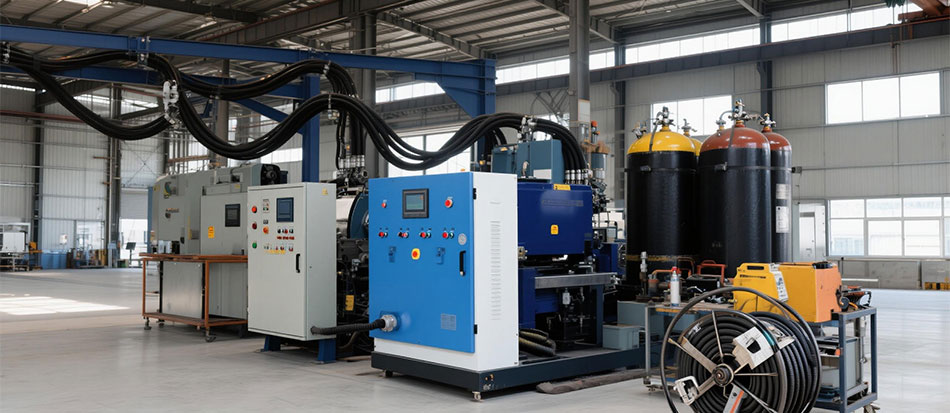
In the furniture and bedding industry, you are constantly seeking materials that enhance comfort, durability, and design flexibility. This is precisely where polyurethane foaming machines become indispensable. They allow you to produce a wide range of foam products on-demand, from soft, plush cushioning for sofas and chairs to supportive, high-resilience cores for mattresses. By controlling the foam's density and firmness with the machine, you can tailor products to meet specific consumer preferences, whether it's a firm orthopedic mattress or a luxurious, sinking-into comfort sofa seat.
For your manufacturing process, these machines offer significant efficiency gains. Instead of relying on pre-cut foam blocks, you can produce molded foam parts directly, reducing material waste and streamlining assembly. This capability is crucial for creating complex, ergonomic shapes in office chairs, car seats, or custom headboards. The result is not only a superior final product but also a more cost-effective and agile production line that can quickly adapt to new designs and market trends.
3.1、Cushioning for Sofas and Chairs
When you consider the comfort of a sofa or an office chair, the quality of the cushioning is paramount. Polyurethane foaming machines are the heart of producing this essential component. They allow manufacturers like you to precisely control the density, firmness, and resilience of the foam, tailoring it to different product lines—from plush, sinking-in residential sofas to supportive, high-durability office seating.
The process begins with the machine metering and mixing the liquid polyurethane chemicals. For cushioning, formulations typically produce flexible foam. The liquid mixture is dispensed into large molds or onto a conveyor belt for continuous slabstock production. As it reacts and expands, it fills the mold perfectly, creating a consistent cell structure that defines the foam's feel and long-term performance.
Using a polyurethane foaming machine gives you a significant competitive edge. You can produce custom-shaped cushions with complex geometries in a single step, reducing labor and material waste compared to cutting from blocks. Furthermore, you can experiment with different formulations to create advanced comfort features, such as memory foam or high-resilience (HR) foam, which offer superior pressure relief and durability.
Ultimately, integrating this technology into your furniture manufacturing line means you can consistently deliver products that meet specific comfort standards. Your customers experience a seat that maintains its shape, provides excellent support, and lasts for years, directly impacting brand reputation and customer satisfaction in a highly competitive market.
3.2、Mattress Core Production
When you produce mattress cores, the primary goal is to create a supportive yet comfortable foundation. A polyurethane foaming machine is your essential tool for this. It allows you to precisely pour liquid polyurethane formulations into large molds, where they expand and cure to form a single, seamless foam block. This process, known as slabstock production, gives you complete control over foam density, firmness, and cell structure, which are the defining characteristics of mattress quality and feel.
For you, this means the ability to manufacture a wide range of core types from a single machine setup. By adjusting the chemical配方 and processing parameters, you can produce everything from ultra-soft, pressure-relieving memory foam to high-resilience, supportive foams. This versatility lets you cater to diverse market segments—from luxury bedding to budget-friendly options—without investing in multiple, dedicated production lines.
The efficiency gains are substantial. Modern high-pressure foaming machines ensure a consistent, homogeneous mix, eliminating defects like soft spots or voids in the final foam block. This consistency is critical for your brand's reputation, as it guarantees every mattress leaving your factory meets the same high standard of comfort and durability, leading to fewer returns and higher customer satisfaction.
Furthermore, integrating a polyurethane foaming machine streamlines your supply chain. Instead of relying on pre-made foam blocks from external suppliers, you produce the core material in-house. This reduces logistics costs, minimizes inventory space for raw foam, and gives you faster turnaround times for custom orders, making your manufacturing operation more agile and responsive to market trends.
3.3、Custom Molded Furniture Parts
When you need to create complex, ergonomic, or highly decorative furniture components that are difficult or costly to produce with traditional woodworking or metal fabrication, custom molded polyurethane foam parts offer an exceptional solution. Your foaming machine enables the production of intricate shapes—from ornate chair backs and armrests to seamless, one-piece seat cushions with integrated contours—directly from a mold. This process grants you unparalleled design freedom, allowing you to meet specific aesthetic and functional requirements that set your furniture apart in the market.
The efficiency of this method directly impacts your bottom line. By using a polyurethane foaming machine, you consolidate what might be multiple assembly steps into a single molding operation. This reduces labor costs, minimizes material waste from cutting and shaping, and accelerates your production cycle. Furthermore, the resulting parts are typically lightweight yet durable, reducing shipping costs and enhancing the end product's longevity for your customers.
Beyond standard shapes, this technology is perfect for producing high-value, specialized components. Think of the padded headboards for luxury beds, the sound-absorbing panels for home theater seating, or the sculpted foam elements in high-end office furniture. Your ability to consistently replicate these complex designs with a foaming machine ensures product uniformity and quality, which is critical for brand reputation and customer satisfaction in the furniture industry.
4、Appliances and Cold Chain Logistics
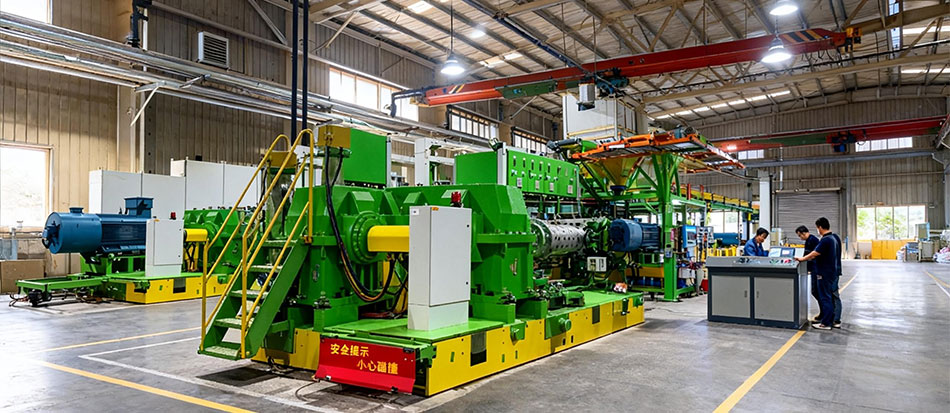
If you're in the business of manufacturing refrigerators, freezers, or commercial cold rooms, polyurethane foaming machines are likely already a cornerstone of your production line. The reason is simple: rigid polyurethane foam is the premier insulating material for the cold chain. When you use a foaming machine to inject the liquid mixture between the inner and outer walls of an appliance, it expands and cures into a seamless, airtight layer of foam. This process, known as cabinet foaming, provides exceptional thermal efficiency, which directly translates to energy savings for the end-user and superior performance for your products.
Beyond just keeping things cold, the structural strength added by the foam is a major benefit for you. It reinforces the appliance's cabinet, allowing for thinner walls and more internal storage space without sacrificing durability. For cold chain logistics, this technology is vital in producing insulated panels for trucks, shipping containers, and warehouse doors. The precision of modern foaming machines ensures consistent foam density and distribution, which is critical for maintaining strict temperature control from the factory to the final destination. By integrating this technology, you're not just building a box; you're creating a reliable, energy-efficient thermal barrier that is essential for preserving food, medicine, and other temperature-sensitive goods.
4.1、Refrigerator and Freezer Insulation
When you open your refrigerator, the cool air that greets you is largely thanks to a layer of rigid polyurethane foam injected between its inner and outer liners. This is the core application of polyurethane foaming machines in the appliance industry. The process involves precisely metering and mixing the liquid polyol and isocyanate components, then injecting the reactive mixture into the cavity of the refrigerator or freezer cabinet. The foam expands, filling every nook and cranny, and cures to form a seamless, monolithic insulation barrier.
The key benefit for you here is exceptional thermal efficiency. Rigid polyurethane foam possesses one of the lowest thermal conductivity values among common insulation materials. This means your appliances require less energy to maintain their target temperatures, leading to significant energy savings over the product's lifetime and helping manufacturers meet stringent global energy efficiency standards. The foam's closed-cell structure also provides excellent dimensional stability and moisture resistance, preventing insulation performance from degrading over time.
From a manufacturing perspective, using a modern polyurethane foaming machine offers you speed and precision. The foaming and curing process is relatively fast, allowing for high-volume production lines. Advanced machines provide precise control over the mixing ratio, temperature, and injection pressure, ensuring consistent foam density and quality in every unit. This consistency is critical for achieving uniform insulation performance and structural integrity across all products.
Furthermore, the foam adds structural rigidity to the appliance cabinet. Once cured, it bonds the inner plastic liner to the outer metal shell, creating a strong, lightweight, and robust composite structure. This allows for thinner wall designs, maximizing interior storage space without compromising insulation performance or durability. For you, this translates into more efficient use of materials and a better final product for the end-user.
4.2、Insulated Shipping Containers
When you consider insulated shipping containers, your primary goal is to maintain a stable internal temperature for sensitive goods, whether they are pharmaceuticals, fresh produce, or high-end chemicals. Polyurethane foaming machines are the backbone of manufacturing these containers. They inject a precise mix of polyol and isocyanate into the cavity between the inner and outer walls, where it expands and cures to form a seamless, rigid foam core. This core provides exceptional thermal insulation, directly impacting your product's integrity during transit.
The efficiency of your foaming process directly determines the container's performance. A high-quality machine ensures uniform foam density and complete cavity filling, eliminating weak spots or thermal bridges that could compromise insulation. For you, this means reliable protection against external temperature fluctuations, whether facing extreme heat or freezing conditions, reducing the risk of spoilage and financial loss.
Beyond insulation, the structural benefits are significant. The rigid polyurethane foam bonds the container's inner and outer skins together, creating a lightweight yet remarkably strong monocoque structure. This allows you to design containers that are easier to handle and stack while being durable enough for repeated use in demanding logistics cycles, ultimately lowering your total cost of ownership.
Furthermore, using a modern polyurethane foaming machine allows for flexibility in production. You can adjust formulations to meet specific requirements, such as fire retardancy for hazardous materials or varying thicknesses for different climatic zones. This adaptability lets you cater to a diverse clientele within the cold chain logistics sector, offering customized solutions that enhance your competitive edge.
4.3、Water Heater and Pipe Lagging
In the realm of water heater and pipe insulation, your primary goals are energy efficiency and preventing heat loss or condensation. Polyurethane foam, applied by a dedicated foaming machine, is the industry-standard solution for achieving these objectives. The rigid foam creates a seamless, monolithic layer of insulation around complex shapes, something pre-formed insulation materials struggle to accomplish without gaps.
For water heaters, you can use a polyurethane foaming machine to inject foam between the inner tank and the outer casing. This process, often done with low-pressure or high-pressure machines depending on the scale, fills every cavity uniformly. The result is a water heater with superior thermal retention, which directly translates to lower energy bills for the end-user and a more competitive product for you.
Pipe lagging presents a similar challenge, especially for pipes with elbows, valves, and joints. Spray foam application from a foaming machine allows you to insulate pipes on-site or in a factory setting with incredible speed and precision. The foam adheres directly to the pipe surface, eliminating thermal bridges and providing excellent resistance to moisture, which is critical for preventing corrosion under insulation (CUI).
By integrating a polyurethane foaming machine into your production or installation process, you gain control over foam density and thickness. This means you can tailor the insulation performance to specific temperature requirements, whether for domestic hot water pipes or industrial steam lines. The efficiency gains in both product performance and application speed make this technology indispensable for manufacturers and contractors in this sector.
5、Specialized Industrial Applications
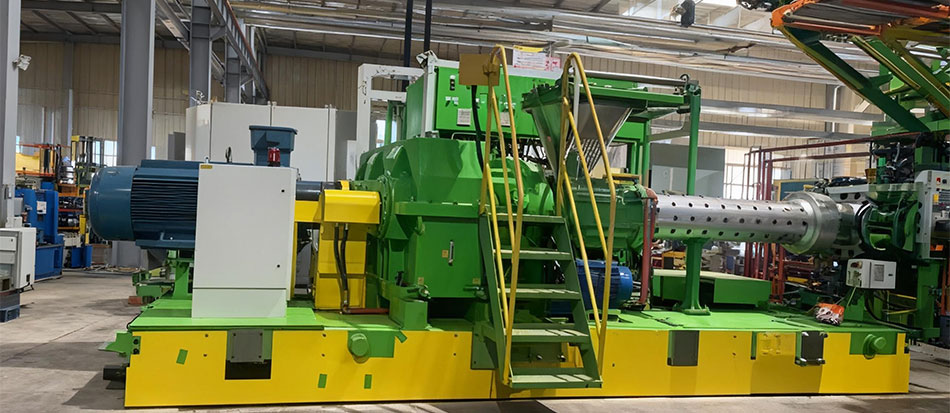
Beyond the common sectors, polyurethane foaming machines are vital in specialized industrial applications where performance is critical. If you operate in fields like aerospace or marine engineering, you'll find these machines indispensable for creating high-performance insulation and structural components. The foam's excellent strength-to-weight ratio and thermal properties make it ideal for aircraft interiors, boat hulls, and specialized packaging for sensitive equipment.
For your operations in the oil and gas industry, polyurethane foam is used for pipeline insulation and buoyancy modules. The precise mixing and dispensing from a foaming machine ensure consistent quality, which is essential for materials that must withstand harsh environmental conditions. Similarly, in the renewable energy sector, you can use these machines to produce insulation for solar thermal collectors or components for wind turbine blades.
Even in the world of art and museum conservation, specialized low-pressure foaming machines are used to create custom, protective packaging and display mounts. This demonstrates the technology's incredible versatility. Essentially, if your industrial application demands a material that is lightweight, insulating, structurally supportive, or easily molded into complex shapes, a polyurethane foaming machine is likely a suitable and powerful tool for your production line.
5.1、Packaging and Protective Cushioning
When you consider the logistics of shipping delicate electronics, fragile glassware, or heavy industrial components, the primary challenge is impact protection. A polyurethane foaming machine addresses this by enabling on-demand production of custom-fitted cushioning. Instead of stocking pre-cut foam blocks or loose-fill peanuts, you can inject foam directly into the void spaces of a shipping container, where it expands to form a perfect, form-fitting cradle around the product. This process, known as molded foam-in-place packaging, drastically reduces material waste and labor while providing superior shock absorption.
The versatility of the foam formulation is key here. For heavy items, you can produce a high-density, rigid foam that provides structural support and prevents shifting. For lightweight but sensitive items like medical devices, a softer, low-density flexible foam offers gentle cushioning without adding excessive weight. This on-site customization means you can protect a wide range of products with a single machine, simply by adjusting the chemical mix ratio and dispensing parameters.
Beyond one-off protection, this technology is integral to creating permanent protective packaging for high-value products. Think of the precise foam inserts inside a professional camera case or a military equipment crate. These are manufactured using rigid polyurethane foam molded in custom-designed tooling. The foam's closed-cell structure provides excellent resistance to moisture and chemicals, ensuring long-term protection in various environments.
For your business, investing in a polyurethane foaming machine for packaging translates into significant operational efficiencies. You minimize storage space for bulky packaging materials, reduce shipping costs through lighter and more compact packaging solutions, and enhance customer satisfaction by virtually eliminating in-transit damage. Furthermore, modern foam systems can use bio-based or recycled content, helping you meet sustainability goals without compromising on performance.
5.2、Marine and Buoyancy Products
In the marine industry, your primary concerns are durability against harsh environments, water resistance, and safety. Polyurethane foam, particularly rigid closed-cell foam, is engineered to excel here. When processed through a foaming machine, it creates a material that is not only inherently buoyant but also resistant to water absorption, making it an ideal core material for flotation devices, boat hulls, and docks.
For you, this means a foaming machine allows for the on-demand production of custom buoyancy elements. Whether you're manufacturing life jackets, fenders, or constructing unsinkable boat sections, you can precisely control the foam's density and expansion to meet specific buoyancy requirements and safety standards. The foam's closed-cell structure ensures it won't become waterlogged and lose its lifting power over time.
Beyond flotation, these machines are vital for marine insulation. Refrigerated fishing vessels and luxury yachts require exceptional thermal barriers. Spray polyurethane foam (SPF) applied with specialized foaming equipment creates a seamless, airtight insulating layer in hulls and decks, significantly improving energy efficiency and preventing condensation that leads to mold and structural damage.
Furthermore, the versatility of your foaming machine supports composite manufacturing. By injecting foam into cavities of fiberglass or other composite structures, you create lightweight, stiff, and strong sandwich panels. This application is critical for building high-performance boat decks, hulls, and other components where the strength-to-weight ratio is paramount, directly impacting fuel efficiency and performance.
5.3、Art, Sculpture, and Set Design
In the world of art, sculpture, and set design, you are constantly battling constraints of time, weight, and material cost while striving for creative freedom. Polyurethane foaming machines provide a powerful solution. They allow you to create custom, lightweight forms directly in your studio or workshop. Instead of laboriously carving from heavy blocks of wood or stone, you can build up complex shapes rapidly by applying foam to an armature, then carving and sanding it to your precise artistic vision.
The versatility of the foam formulations is key for your projects. You can select rigid foams that provide a stable, carveable core for sculptures or architectural details. For props and set pieces that require a degree of flexibility or impact resistance, flexible or semi-rigid foams are available. This material adaptability means a single machine can support a wide range of your creative endeavors, from permanent gallery installations to temporary theatrical scenery.
From a practical production standpoint, the efficiency gains are substantial. Large-scale set pieces or backdrop elements that would take weeks to construct traditionally can be fabricated in days. The foam is incredibly lightweight, making transportation and installation on stage or at an exhibition site far easier and safer for your team. Furthermore, the foam surface readily accepts a variety of coatings, paints, and textures, allowing for seamless integration into any desired aesthetic finish.
Finally, consider the cost-effectiveness for your studio or production budget. Raw material costs for polyurethane are often lower than traditional sculpting media, and the reduction in labor hours directly translates to savings. The ability to prototype quickly and make on-the-fly adjustments during the foaming and carving process minimizes waste and rework, ensuring your creative process remains fluid and within financial parameters.
As you can see, the question of which industries are suitable for polyurethane foaming machines has a broad and exciting answer. From the construction site to the factory floor, from your vehicle to your favorite furniture, this technology plays a silent but vital role in shaping the products and infrastructure around you. Its core strengths—insulation, comfort, lightweighting, and durability—make it indispensable.
If your operations involve creating insulated structures, cushioned components, sealed parts, or custom molded items, a polyurethane foaming machine could be a game-changer for you. It streamlines production, reduces material waste, and allows for high levels of customization to meet specific project requirements. The initial investment is often quickly offset by the long-term savings and performance improvements.
We hope this overview has helped you identify the potential applications in your field. Exploring the right machine specifications for your specific needs is the next logical step toward harnessing the power of polyurethane foam in your industry.