
Maintenance of Fully Automatic CNC Sponge Cutting Machine: Your Essential Guide to Peak Performance
Maintenance of fully automatic CNC sponge cutting machine is the cornerstone of ensuring your production line runs smoothly, efficiently, and cost-effectively. Neglecting it can lead to unexpected downtime, poor cut quality, and ultimately, higher operational costs. By understanding and implementing a proper maintenance routine, you protect your significant investment and guarantee consistent, high-quality output for your customers.
Think of your CNC sponge cutter as a high-performance athlete. Just like an athlete needs regular training, proper nutrition, and rest to perform at their best, your machine requires systematic care. This guide will walk you through the key aspects of maintenance, helping you establish habits that extend your machine's lifespan and optimize its productivity.
Whether you're a new operator or a seasoned plant manager, the principles outlined here are universally applicable. Let's dive into the practical steps you can take to keep your fully automatic CNC sponge cutting machine in top condition, ensuring it remains a reliable asset for your business.
1、Daily and Weekly Maintenance Routines
1.1、Cleaning and Debris Removal
1.2、Lubrication Point Inspection
1.3、Visual Inspection of Blades and Belts
1.4、Checking Air Pressure and Filters
2、Key Component Care and Calibration
2.1、CNC System and Software Updates
2.2、Cutting Blade Maintenance and Alignment
2.3、Servo Motor and Drive System Check
2.4、Calibrating the Conveyor and Positioning System
3、Periodic and Preventive Maintenance Schedule
3.1、Monthly Deep Cleaning and Inspection
3.2、Quarterly Bearing and Mechanical Part Check
3.3、Annual Comprehensive System Overhaul
4、Troubleshooting Common Issues
4.1、Addressing Poor Cut Quality
4.2、Solving Positioning and Alignment Errors
4.3、Handling Unusual Noises or Vibrations
1、Daily and Weekly Maintenance Routines

For you, the operator or maintenance technician, establishing disciplined daily and weekly routines is the most effective way to prevent major issues. Start each day by visually inspecting the machine for any loose parts, debris accumulation around the cutting area, or signs of oil leaks. Check that the safety guards and emergency stop functions are operational. Before the first cut, perform a brief test run to ensure the gantry moves smoothly along all axes without unusual noises or vibrations. As a manufacturer like APEX, we design our fully automatic CNC sponge cutting machines for reliability, but daily visual and operational checks are your first line of defense.
Weekly, your focus should shift to more thorough cleaning and lubrication. Power down the machine completely and use a vacuum or compressed air (with appropriate safety precautions) to remove all sponge dust and particles from the guide rails, ball screws, and the interior of the electrical cabinet. Sponge dust is highly abrasive and can severely damage precision components. Wipe down the rails with a clean, lint-free cloth and apply the manufacturer-recommended lubricant according to the schedule. Also, inspect the cutting wire or blade for wear, tension, and alignment. A consistent weekly routine ensures that the high-precision mechanics, a hallmark of APEX machines, are protected from contamination and wear, maintaining the cutting accuracy your customers expect.
1.1、Cleaning and Debris Removal
Your daily maintenance routine must begin with a thorough cleaning of the entire machine. After each production run, use a vacuum cleaner with a soft brush attachment to remove all sponge dust and debris from the cutting table, guide rails, and the area surrounding the cutting head. This dust is highly abrasive and can infiltrate precision components, causing premature wear and tear on bearings and linear guides.
Pay special attention to the vacuum system itself. Empty the collection bag or container regularly to prevent overflow, which can reduce suction efficiency and cause dust to recirculate. Check the filters and clean or replace them according to the manufacturer's schedule to ensure optimal dust extraction, which is critical for both machine health and a clean workshop environment.
For the weekly deep clean, you should power down the machine completely. Carefully wipe down all exposed metal surfaces, including the gantry and frame, with a clean, lint-free cloth. Use a non-abrasive cleaner if necessary to remove any accumulated grime or adhesive residue. Inspect the cutting wire or blade area, removing any melted sponge residue or buildup that could affect cutting precision and tool life.
1.2、Lubrication Point Inspection
Your CNC sponge cutter's linear guides, ball screws, and bearings are its lifeblood. These components are in constant motion under significant load, and without proper lubrication, they will wear out prematurely, leading to backlash, vibration, and inaccurate cuts. Your daily and weekly lubrication check is a non-negotiable preventative measure.
Start by consulting your machine's manual to identify every lubrication point. Typically, you will find grease nipples on the X, Y, and Z-axis linear guide blocks and ball screw nuts. Use only the manufacturer-recommended grease or oil. Applying the wrong type can damage seals and attract dust, creating an abrasive paste that accelerates wear instead of preventing it.
During your inspection, visually check for signs of inadequate lubrication, such as dried-up grease, visible metal scoring, or unusual noise during axis movement. Apply grease until you see a slight purge of fresh grease from the seals, which indicates the old, contaminated grease has been displaced. Never over-grease, as excess grease can drip onto the cutting table or sponge material.
For automatic lubrication systems, verify that the central grease reservoir is adequately filled and that the system is cycling correctly. Check the distribution lines for any kinks or leaks. A failure in the auto-lube system can cause catastrophic damage in a very short time, so this visual confirmation is critical during your routine check.
Document every lubrication action in your maintenance log. Note the date, the points serviced, and the type of lubricant used. This record helps you track intervals and provides valuable history if a mechanical issue arises, allowing you to rule out lubrication as a cause.
1.3、Visual Inspection of Blades and Belts
Begin your visual inspection by focusing on the cutting blade. With the machine powered off and locked out for safety, examine the blade's edge for any signs of dullness, nicks, or damage. A sharp, clean blade is crucial for achieving smooth, precise cuts without tearing or compressing the sponge material. Look for any buildup of melted sponge residue or debris on the blade surface, as this can affect cutting performance and increase friction.
Next, check the blade's mounting and tension. Ensure it is securely fastened and properly aligned. A loose or misaligned blade will produce inaccurate cuts and can be a significant safety hazard. Listen for any unusual sounds during operation that might indicate blade issues, but the visual check while stopped is your primary preventative measure.
Move on to inspect the conveyor belts or feed belts. Look for signs of wear, such as fraying edges, cracks, or glazing on the surface. Check the belt tension; it should be firm but not overly tight. A belt that is too loose can slip, causing inaccurate material feeding, while one that is too tight puts excessive strain on the motors and bearings.
Examine the entire path of the belts for any accumulated sponge dust, debris, or foreign objects. This buildup can cause the belt to track improperly or damage its surface. Clean the belts and their pulleys regularly as part of this inspection to ensure smooth and consistent material transport through the cutting zone.
Finally, verify the alignment and tracking of the belts. They should run centered on their pulleys without drifting to one side. Mis-tracking belts can lead to uneven feeding and potential damage to the belt edges or the machine frame. Document any issues you find during this inspection and address them immediately according to the machine's manual before resuming production.
1.4、Checking Air Pressure and Filters
For your fully automatic CNC sponge cutting machine, consistent and clean air pressure is non-negotiable. The pneumatic system powers critical components like the hold-down clamps and sometimes the cutting head movement. Start your daily check by verifying the main air pressure gauge reads within the manufacturer's specified range, typically between 6 to 8 bar. Any significant deviation can cause weak clamping, leading to material shift during cutting, or sluggish tool movement, directly impacting cut precision.
Next, inspect the air filter-regulator-lubricator (FRL) unit, which is the lungs of your machine's pneumatic system. Drain any accumulated water or oil from the filter bowl daily to prevent moisture from entering the valves and cylinders, which can cause corrosion and premature failure. The filter element itself should be visually checked for excessive contamination; a clogged filter restricts airflow, reducing effective pressure at the tools.
On a weekly basis, or more frequently in humid or dusty environments, perform a more thorough check. Ensure the lubricator has an adequate supply of pneumatic oil and is dispensing a fine mist. Dry air cylinders will wear out rapidly. Also, listen for air leaks around fittings, hoses, and valves. A persistent hissing sound indicates a leak that wastes energy and reduces system pressure. Tighten connections or replace damaged parts promptly.
Finally, don't overlook the machine's internal air filters, often located near the control cabinet or servo drives. These protect sensitive electronics from dust. Gently clean them with low-pressure air according to the manual's schedule. Maintaining clean, dry air at the correct pressure is a simple yet powerful practice that ensures reliable pneumatic operation, protects expensive components, and is fundamental to achieving the perfect, consistent cut your business depends on.
2、Key Component Care and Calibration
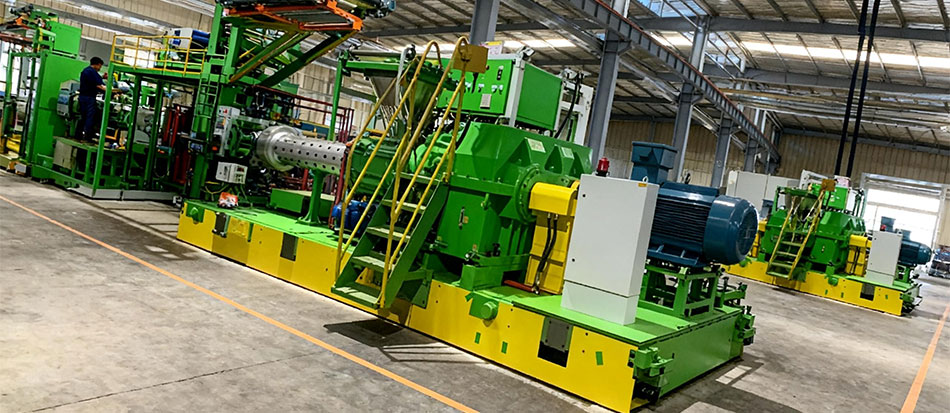
To ensure your fully automatic CNC sponge cutting machine operates with the precision and reliability that APEX machines are known for, a dedicated focus on key component care and calibration is non-negotiable. As the core of your production line, these components demand your regular attention. Start with the cutting blade or wire assembly. You must keep it sharp, clean, and properly tensioned. A dull or misaligned blade will produce poor-quality cuts, increase material waste, and put unnecessary strain on the machine's drive system. Regularly inspect for wear and clean off any adhesive or debris buildup to maintain optimal cutting performance.
Next, pay close attention to the linear guides and ball screws. These are the precision elements that ensure the smooth and accurate movement of the cutting head. You should clean them regularly to remove dust and sponge particles, then apply the recommended lubricant according to the manufacturer's schedule. This prevents wear, reduces friction, and safeguards the machine's positioning accuracy. For a company like APEX, which builds machines for high-precision applications, maintaining this calibration is paramount to delivering the consistent quality your clients expect.
Finally, do not overlook the calibration of the machine's sensors and measurement systems. Periodically verify the accuracy of the positioning sensors and the material feed system. An uncalibrated machine can lead to dimensional errors in your cut pieces. By incorporating these checks into your weekly or monthly routine, you ensure that your APEX CNC cutter continues to perform as a true "intelligent" production asset, delivering the advanced and reliable solutions that define our brand's global reputation.
2.1、CNC System and Software Updates
The CNC system is the brain of your machine. Its software dictates every movement, speed, and precision cut. Your first line of defense is to ensure this system is running on the manufacturer's recommended, stable version. Outdated software can contain bugs that lead to erratic behavior, calculation errors, or even system crashes mid-production. Regularly check with your machine supplier for official updates or patches.
Never perform a major software update during a production run. Schedule updates during planned maintenance downtime. Before updating, always, without exception, perform a complete backup of all your machine parameters, tool libraries, and custom cutting programs. This backup is your safety net, allowing you to restore the machine to its previous working state if any compatibility issues arise with the new software.
Beyond the core CNC software, pay attention to the computer's operating system and antivirus software if it runs on a standard PC platform. Ensure the antivirus is configured to exclude the CNC program directories and real-time control files from scans to prevent interruptions. Keep the operating system updated with security patches, but be cautious of automatic major updates that might conflict with the CNC software's drivers.
Finally, calibration is key. Software updates can sometimes reset or affect calibration values. After any update, verify and recalibrate critical software-based parameters if necessary, such as the machine's homing position, axis scaling, and backlash compensation. This ensures the digital commands from the software translate perfectly into precise physical movements of the cutting head.
2.2、Cutting Blade Maintenance and Alignment
The cutting blade is the heart of your CNC sponge cutter, directly responsible for the quality and precision of every cut. Its maintenance is non-negotiable. You must establish a strict routine for inspection, cleaning, and replacement. Before any maintenance, always ensure the machine is powered off and locked out to guarantee your safety.
Regular cleaning is your first line of defense. After each production run or at least daily, thoroughly clean the blade and its housing. Use compressed air to remove accumulated sponge dust and debris from the blade surface, the guide rails, and the surrounding area. Built-up residue can cause friction, overheating, and imprecise cuts, and may even lead to premature blade wear or motor strain.
Inspect the blade for wear and damage before every major job. Look for signs of dulling, nicks, or bends. A dull blade will tear the sponge instead of cutting it cleanly, resulting in fuzzy edges and inconsistent dimensions. You should have a documented schedule for blade rotation (if using a multi-blade head) and replacement based on your material types and cutting hours, not just when problems appear.
Blade alignment is equally critical. Even a sharp blade will produce poor results if it is misaligned. Periodically check and calibrate the blade's perpendicularity to the cutting table and its parallelism to the guide rails. Refer to your machine's manual for the specific calibration procedure, which often involves using precision squares and dial indicators. Proper alignment ensures vertical, clean cuts and maintains the geometric accuracy of your programmed shapes.
Finally, never ignore the blade drive system. Check the tension and condition of belts or the integrity of the direct drive coupling. Lubricate guide rails and lead screws as per the manufacturer's schedule to ensure smooth, vibration-free blade movement. A well-maintained blade in a precisely calibrated system is the key to flawless sponge cutting efficiency and product quality.
2.3、Servo Motor and Drive System Check
The servo motor and drive system are the heart of your machine's motion control. They translate digital commands into precise physical movements. Your first check should be a visual and auditory inspection. Listen for any unusual noises like grinding, whining, or clicking during operation, which can indicate bearing wear or misalignment. Visually inspect the servo motors for excessive dust accumulation, especially around the cooling fins, as overheating is a primary failure cause.
Next, ensure all electrical connections to the servo drives and motors are secure. Vibration over time can loosen terminals. Check the servo drive's status indicators or error codes on the control panel. Modern systems often log faults; regularly reviewing these logs can help you identify intermittent issues before they cause a major stoppage. It's also crucial to verify that the drive parameters have not been accidentally altered, as incorrect settings can lead to erratic motion or torque loss.
Preventive maintenance includes monitoring the temperature of the servo motors during a full production cycle. If they are too hot to touch comfortably, investigate cooling (ensure fans are working) or consider reducing the machine's duty cycle. For the drive system, keep the interior of the electrical cabinet clean and free of conductive dust from sponge particles, which can cause short circuits. Use compressed air carefully from a distance to avoid forcing debris deeper into components.
Finally, do not overlook the mechanical connection between the servo motor and the ball screw or belt drive. Check the coupling for signs of wear or looseness. Any play here will directly translate into cutting inaccuracy. Periodically, and following the manufacturer's schedule, you may need to have a specialist check the servo system's tuning and perform a backlash compensation routine to ensure positioning remains flawless.
2.4、Calibrating the Conveyor and Positioning System
Calibrating the conveyor and positioning system is critical for achieving precise, repeatable cuts. This system is responsible for moving the sponge block into the cutting area and holding it perfectly still during the cutting cycle. Any misalignment or slippage here directly translates to dimensional errors in your final product.
You should begin by checking the conveyor belt tension and tracking. A loose belt can cause slippage, while a misaligned belt will wear prematurely and may not feed the sponge block straight. Refer to your machine manual for the correct tension specification. Observe the belt's movement; it should run centered on the pulleys without drifting to either side. Most systems have adjustment mechanisms to correct tracking.
Next, verify the accuracy of the positioning sensors or encoders. These components tell the CNC controller exactly where the sponge block is. Clean the sensors regularly to prevent dust or debris from causing false readings. Perform a test run by commanding the conveyor to move a specific distance (e.g., 1000mm) and physically measuring the actual travel with a tape measure. If there's a discrepancy, you may need to recalibrate the encoder scaling factor in the machine's software parameters.
Finally, ensure the clamping or vacuum hold-down system is functioning correctly and evenly. An uneven hold can allow the sponge to shift slightly during the cutting head's movement, resulting in tapered or irregular cuts. Check the pressure of pneumatic clamps or the suction strength of vacuum zones. The sponge block should be held firmly and uniformly across its entire surface before any cutting command is initiated.
3、Periodic and Preventive Maintenance Schedule
Building on the foundation of daily care, establishing a Periodic and Preventive Maintenance Schedule is crucial for the long-term health of your fully automatic CNC sponge cutting machine. This proactive approach, much like the precision engineering behind APEX machinery, prevents minor issues from escalating into major failures. You should create a calendar-based checklist that includes weekly, monthly, quarterly, and annual tasks. For instance, weekly checks might involve verifying the tightness of critical bolts and inspecting the drive belts for wear. Monthly tasks could include a thorough cleaning of the linear guides and ball screws, followed by re-lubrication with the manufacturer-recommended grease.
Quarterly maintenance should delve deeper, such as checking the alignment of the cutting head and calibrating the machine's positioning accuracy to ensure every cut meets the high standards your customers expect. Annually, it's wise to have a comprehensive inspection performed by qualified technicians. Companies like APEX often provide detailed maintenance manuals and professional service support for their global clientele, ensuring your machine maintains its peak "as-new" performance year after year. By adhering to a disciplined schedule, you not only safeguard your investment but also ensure consistent, high-quality production output, mirroring the reliability and innovation built into every APEX machine.
3.1、Monthly Deep Cleaning and Inspection
Begin your monthly maintenance by performing a complete power-down and lockout/tagout procedure. This is non-negotiable for safety. Once the machine is safely isolated, start with a thorough vacuuming of the entire work area, gantry rails, and the interior of the control cabinet (use a low-suction, non-static generating nozzle). Remove all accumulated sponge dust and debris, which can interfere with sensors, clog cooling fans, and cause premature wear on moving parts.
Next, inspect all linear guide rails and ball screws. Wipe them clean with a lint-free cloth, then apply a thin, even layer of the manufacturer-specified lubricant. Do not over-grease. Check for any signs of pitting, scoring, or discoloration on these critical components, as these indicate potential alignment issues or contamination.
Examine the drive belts or timing belts for tension and wear. They should be firm, not loose, and free from cracks, fraying, or glazing. Manually move the cutting head along its axes to feel for any roughness or binding that wasn't apparent during operation. This hands-on check can reveal early signs of bearing or rail problems.
Finally, conduct a visual and functional inspection of all safety devices. Test emergency stop buttons, safety interlocks on guards, and the machine's limit switches. Verify that all warning labels are legible and in place. This monthly deep clean and inspection is your proactive defense against minor issues escalating into major, costly failures.
3.2、Quarterly Bearing and Mechanical Part Check
Every quarter, you should perform a more in-depth inspection of the machine's core mechanical components. This check focuses on the bearings, drive systems, and structural connections that are critical for precision and long-term stability. Start by powering down the machine completely and locking out the main power supply to ensure absolute safety.
Inspect all linear guide rails and ball screws for any signs of wear, scoring, or pitting. Clean them thoroughly with a lint-free cloth and reapply the specified high-quality grease according to the manufacturer's guidelines. Pay close attention to the condition of the wipers; if they are cracked or worn, replace them immediately to prevent abrasive dust from entering the guideway system.
Check all bearing blocks and pillow blocks for excessive play or unusual noise. Manually rotate the spindles and drive pulleys to feel for any roughness or binding. Listen for grinding or clicking sounds which indicate bearing failure. For critical high-speed spindles, consider using a stethoscope to better isolate sounds. Any bearing showing signs of wear must be replaced promptly to avoid catastrophic failure.
Examine belt tensions on all drive systems, including the main cutting head drive and any axis drives. Belts should not be overly tight or too loose. Look for cracks, fraying, or glazing on the belt surfaces. Adjust tension or replace belts as necessary. Simultaneously, check all pulleys and sprockets for secure mounting and ensure there is no wobble during rotation.
Finally, go over all major mechanical fasteners, including bolts on motor mounts, frame connections, and gantry supports. Use a calibrated torque wrench to verify they are tightened to the manufacturer's specified values. Loose fasteners are a common source of vibration and dimensional inaccuracy in cuts. Document all findings, adjustments, and replacements in your maintenance log.
3.3、Annual Comprehensive System Overhaul
An annual comprehensive system overhaul is a deep, proactive intervention that goes far beyond daily and weekly tasks. You should schedule this during a planned production shutdown, as it requires significant time and potentially the involvement of specialized technicians from the machine manufacturer or a certified service partner. The goal is to inspect, calibrate, and replace components that have a longer lifecycle, ensuring the machine's foundational accuracy and reliability for the year ahead.
Your overhaul must include a complete mechanical inspection. This involves checking all linear guides, ball screws, and bearings for wear, backlash, and proper lubrication. You will need to re-lubricate these critical components with the manufacturer-specified grease. Simultaneously, inspect the entire cutting bridge structure for any signs of misalignment or stress, and verify the tension and alignment of the drive belts or gears. Any worn parts identified here must be replaced to prevent catastrophic failure.
Electrically and electronically, the system requires thorough attention. An electrician or technician should inspect all wiring harnesses for fraying, loose connections, or damage. They should clean the electrical cabinet of dust using compressed air (with the power off) and check the condition of contactors, relays, and fuses. A critical step is backing up all machine parameters, PLC programs, and CNC settings before any electrical work begins. This backup is your safety net.
The CNC system and software also need an annual review. Check for any available firmware or software updates from the manufacturer that could improve performance or fix known bugs. Recalibrate all axes to the machine's home position and travel limits with high-precision tools. It is also advisable to perform a comprehensive test run with a dummy sponge block, executing complex cutting patterns to verify the synchronization and accuracy of the entire system after the overhaul is complete.
4、Troubleshooting Common Issues
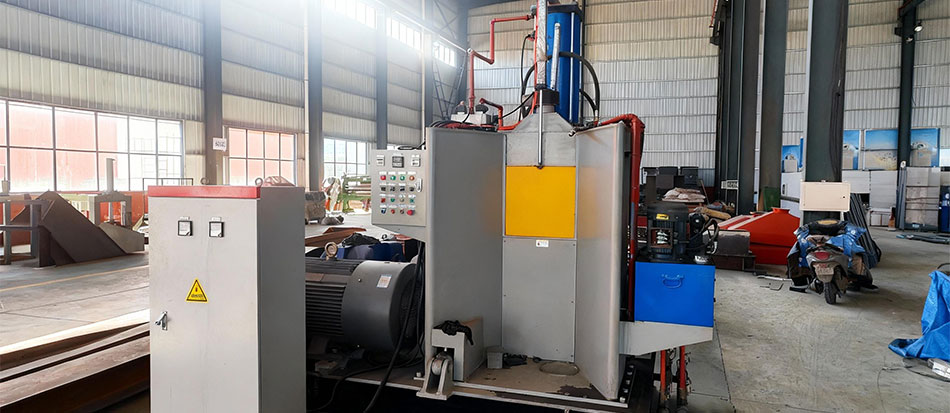
Even with a rigorous maintenance schedule, issues can occasionally arise with your fully automatic CNC sponge cutting machine. Proactive troubleshooting is key to minimizing downtime. Common problems often stem from a few key areas. If you notice inconsistent cutting dimensions or ragged edges, first check the blade. A dull, damaged, or improperly tensioned blade is a frequent culprit. Refer to your machine's manual from APEX for the correct tensioning procedure and replacement schedule. Next, inspect the material hold-down system. If the sponge is not secured firmly during cutting, it can shift, leading to inaccurate cuts. Ensure all vacuum pumps or clamping mechanisms are clean and functioning at optimal power.
Another typical issue involves the machine's motion system. If you hear unusual noises from the guides or ball screws, or if positioning accuracy drifts, it likely points to a need for re-lubrication or potential wear on these critical components. Regular cleaning and lubrication, as part of your preventative maintenance, are your first line of defense. For electronic or software-related glitches, such as the control system not responding or axis movement errors, a simple restart of the CNC controller can sometimes resolve the issue. If problems persist, consult the detailed troubleshooting guide provided by your manufacturer. Companies like APEX design their machines with diagnostic aids and offer comprehensive technical support to help you quickly identify and resolve faults, ensuring your production is back on track with minimal interruption.
4.1、Addressing Poor Cut Quality
Poor cut quality is one of the most common and frustrating issues you may encounter. It directly impacts your product's value and customer satisfaction. The first step is to systematically diagnose the root cause, which often lies in a few key areas: the cutting tool, material handling, or machine calibration.
Begin by inspecting the cutting blade or oscillating knife. A dull, chipped, or improperly installed blade is the primary culprit for ragged edges, fuzzy surfaces, or inaccurate dimensions. Check for wear and ensure it is tightened to the correct torque specification. Remember, a sharp blade is non-negotiable for a clean cut.
Next, examine the material hold-down system. If the sponge is not held perfectly flat and secure during the cutting cycle, it can shift or vibrate, leading to wavy cuts or dimensional errors. Verify that the vacuum table is clean, the seals are intact, and suction is strong and even across the entire bed. Any clogged vacuum holes will compromise hold-down.
Finally, assess the machine's mechanical and software calibration. Check the belt tension and the linear guides for any play or debris. Use the machine's calibration routines to verify the accuracy of the X, Y, and Z axes. Also, review your cutting file and parameters—incorrect cutting speed, knife oscillation frequency, or tool offset settings can all degrade cut quality.
4.2、Solving Positioning and Alignment Errors
Positioning and alignment errors are among the most common and disruptive issues you may encounter with your fully automatic CNC sponge cutting machine. These errors manifest as parts being cut in the wrong place, dimensions being consistently off, or patterns not aligning correctly. The root causes typically lie in the machine's mechanical components or its sensing systems, and systematic troubleshooting is key to a swift resolution.
First, check the mechanical integrity of your positioning system. Ensure that the linear guides and ball screws are clean and properly lubricated. Any buildup of sponge dust or debris on these critical components can cause the machine to "skip" or lose its precise position. Manually move the gantry along its full travel to feel for any binding or unusual resistance, which indicates a need for cleaning or bearing replacement.
Next, inspect the homing sensors and limit switches. These components tell the machine where its "zero" or home position is. If a sensor is dirty, misaligned, or failing, the machine will establish its reference point incorrectly, leading to all subsequent cuts being offset. Clean the sensor lenses and ensure they are securely mounted and properly aligned with their triggering flags. Listen for the distinct click of limit switches during homing.
Calibration is your most powerful tool. Run the machine's built-in calibration routines for the cutting head and the vacuum table. This process often involves the machine automatically measuring its own travel and adjusting its internal coordinate map. If your machine uses a camera vision system for alignment, recalibrate it using the provided calibration target to ensure it accurately interprets the position of the sponge block or printed pattern.
Finally, verify your material fixturing. A sponge block that is not squared against the machine's axes or is slipping on the conveyor/vacuum table will cause consistent alignment errors. Ensure the vacuum system is providing sufficient hold-down force and that any physical side guides are clean and making firm contact. By methodically working through these mechanical, sensory, and calibration checks, you can reliably solve positioning issues and restore your machine's cutting accuracy.
4.3、Handling Unusual Noises or Vibrations
When your fully automatic CNC sponge cutting machine starts producing unusual noises or vibrations, it is a clear signal that something is amiss. You should never ignore these symptoms, as they often precede more serious mechanical failures. The first step is to isolate the source. Is the sound a high-pitched squeal, a grinding noise, or a rhythmic knocking? Does the vibration occur during the entire cutting cycle or only during specific movements like axis acceleration or spindle rotation? Pinpointing these details is crucial for accurate diagnosis.
Common culprits for unusual noises often relate to the drive system and moving components. Check the linear guides and ball screws for proper lubrication. A dry or contaminated guideway will produce a grinding or screeching sound. Inspect the drive belts for tension and wear; a loose belt can slip and cause a slapping noise, while a worn belt might squeal. Also, listen to the spindle motor and the vacuum pump; bearings in these units can fail, leading to a humming, grinding, or rumbling sound that changes with speed.
Vibrations typically point to issues with balance, alignment, or mounting. Ensure the machine is level and securely anchored to the floor, as a loose foundation amplifies vibrations. An unbalanced or dull cutting tool is a frequent cause of vibration, especially at high spindle speeds. Check the tool holder for damage and ensure the tool is clamped correctly. Furthermore, inspect the coupling between the servo motor and the ball screw; a worn or damaged coupling can transmit significant vibration through the axis.
Your systematic approach should be: stop the machine, perform a visual and auditory inspection starting from the most accessible components, and consult the machine's manual for specific maintenance points. Addressing noises and vibrations promptly not only prevents catastrophic breakdowns but also ensures your cut quality remains impeccable, protecting both your machine and your product output.
Committing to a structured maintenance plan for your fully automatic CNC sponge cutting machine is an investment in your business's future. It minimizes disruptions, maintains product quality, and safeguards your machinery from premature wear. Remember, proactive care is always more economical than reactive repairs.
By integrating the daily, weekly, and periodic checks discussed, you build a culture of responsibility and precision on your shop floor. Your machine will reward you with unwavering reliability and precision, helping you meet demanding production schedules and customer expectations with confidence.
For those seeking advanced, reliable, and intelligent sponge cutting solutions, consider the expertise of Apex Machinery. As a high-tech enterprise specializing in R&D, manufacturing, and sales of premium rubber and plastic machinery, Qingdao Apex Machinery Technology Co., Ltd. offers state-of-the-art polyurethane/sponge CNC production lines. With a commitment to advanced, energy-saving, and intelligent industrial solutions, Apex serves a global clientele, providing the technological backbone for industries ranging from electronics and automotive to healthcare and construction.
Next Article:~