
Power and Voltage Requirements for Polyurethane Foaming Machines: Your Essential Guide
Power and Voltage Requirements for Polyurethane Foaming Machines are fundamental factors that directly impact your machine's performance, safety, and operational efficiency. If you're setting up a new production line or troubleshooting existing equipment, understanding these electrical specifications is non-negotiable. Getting it wrong can lead to equipment damage, production downtime, or even safety hazards.
You might be wondering why these requirements vary so much between different models and manufacturers. The answer lies in the machine's components, such as the size of the heating elements, the power of the mixing motor, and the sophistication of the control system. Each part draws power, and together they define the total electrical demand.
This guide will walk you through everything you need to know, from basic concepts to practical setup steps. By the end, you'll feel confident in assessing and meeting the power and voltage needs of your specific polyurethane foaming machine.
1、Understanding the Basics: Why Power and Voltage Matter
1.1、The Role of Voltage: Single-Phase vs. Three-Phase Power
1.2、Deciphering Power Ratings: Watts, Amps, and Horsepower
1.3、How Machine Components Dictate Electrical Demand
2、Common Power and Voltage Specifications for PU Foaming Machines
2.1、Typical Voltage Ranges: 110V/120V, 220V/240V, 380V/415V
2.2、Power Requirements for Small, Medium, and Large Machines
2.3、Special Requirements for High-Pressure and Metering Units
3、Key Steps for Proper Electrical Setup and Connection
3.1、Assessing Your Facility's Electrical Infrastructure
3.2、Choosing the Right Circuit Breakers, Wires, and Connectors
3.3、The Importance of Proper Grounding and Safety Protocols
4、Troubleshooting Common Power-Related Issues
4.1、Symptoms of Underpowered or Incorrect Voltage Supply
4.2、Dealing with Voltage Fluctuations and Surges
4.3、When to Call a Professional Electrician
1、Understanding the Basics: Why Power and Voltage Matter
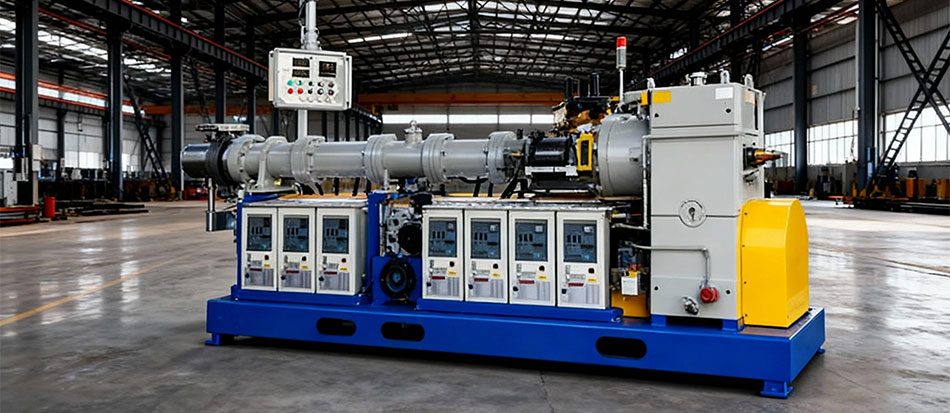
Understanding the basics of power and voltage is the first step to ensuring your polyurethane foaming machine operates reliably. Think of voltage as the electrical 'pressure' pushing current through the machine's circuits, while power (measured in watts or kilowatts) is the total amount of electrical work the machine can perform. If the voltage supplied to your machine is too low, it's like trying to run a high-pressure pump with a weak water supply; the components won't get the energy they need. This can cause motors to overheat, heaters to underperform, and the entire system to malfunction. Conversely, if the voltage is too high, it can overwhelm and permanently damage sensitive electronic controls and motors. Therefore, matching your machine's specific requirements isn't just about plugging it in; it's about providing the precise electrical environment it was engineered for, safeguarding your investment and ensuring consistent, high-quality foam production.
1.1、The Role of Voltage: Single-Phase vs. Three-Phase Power
When you look at the electrical specifications of a polyurethane foaming machine, the first major distinction you'll encounter is between single-phase and three-phase power supply. This isn't just a technical detail; it fundamentally determines the type of electrical infrastructure your workshop or factory must have. Single-phase power is the standard for most residential and light commercial settings, typically offering 110V, 120V, 220V, or 240V. In contrast, three-phase power is the backbone of industrial facilities, commonly providing 380V, 400V, or 480V.
The choice between single-phase and three-phase for your machine hinges on its power requirements. Smaller, low-output machines, often used for prototyping, small batches, or manual operations, are designed for single-phase power. Their motors and heaters have lower power demands, which a single-phase circuit can handle efficiently. However, as machine capacity, pump output, and heating power increase, the electrical current needed on a single-phase line becomes impractically high, requiring excessively thick and expensive cables.
This is where three-phase power becomes essential. A three-phase system delivers power in three alternating currents, offset in phase. For high-power industrial foaming machines, this setup offers critical advantages. It allows for the use of more powerful and efficient three-phase induction motors, which are smoother-running, more reliable, and require less maintenance than their single-phase counterparts. More importantly, for the same total power (kilowatts), the current per phase is significantly lower compared to a single-phase system. This means you can use smaller gauge wiring, reduce energy losses, and achieve more stable operation, which is crucial for consistent chemical metering and temperature control.
Therefore, your first step is to clearly identify your machine's nameplate specification. Attempting to run a three-phase machine on a single-phase supply (even with a phase converter) can lead to motor burnout, inadequate heating, and erratic pump performance. Conversely, connecting a single-phase machine to a three-phase supply without proper configuration can cause immediate and catastrophic damage. Always ensure your facility's electrical supply matches the voltage and phase requirement stated by the machine manufacturer.
1.2、Deciphering Power Ratings: Watts, Amps, and Horsepower
When you look at a polyurethane foaming machine's specifications, you'll encounter several terms for power: Watts (W), Kilowatts (kW), Amps (A), and sometimes even Horsepower (HP). It's crucial to understand what each one means and how they relate to each other. Think of it as the language of your machine's energy consumption.
Watts (W) and Kilowatts (kW) represent the actual power consumption or output. 1 kW equals 1000 Watts. This is the rate at which the machine uses electrical energy to do work—heating the components, driving the mixing motor, and powering the control system. A higher wattage generally indicates a more powerful machine capable of higher output or faster heating.
Amps (Amperes, A) measure electrical current—the flow of electricity. This number is critical for selecting the correct wire size, circuit breakers, and connectors. The relationship is defined by a simple formula: Power (Watts) = Voltage (Volts) x Current (Amps). For example, a 10 kW machine on a 220V single-phase supply would draw approximately 45.5 Amps (10,000W / 220V).
Horsepower (HP) is typically used to rate electric motors, like the one driving your mixing head. 1 HP is roughly equivalent to 746 Watts. While motor power is a key factor in achieving a thorough and consistent chemical mix, the overall machine's electrical requirement is the sum of all components, not just the motor.
Your primary task is to ensure your facility's electrical supply can deliver the required Voltage and can handle the total Amperage draw of all machine components operating simultaneously. Mismatches here are the most common cause of tripped breakers, overheated wires, and underperforming equipment.
1.3、How Machine Components Dictate Electrical Demand
Your polyurethane foaming machine is an assembly of key components, each with its own distinct electrical appetite. The total power requirement is essentially the sum of the demands from these individual parts. Understanding this breakdown is crucial for accurate electrical planning and troubleshooting.
The heating system, often comprising barrel heaters and nozzle heaters, is typically the largest power consumer. These resistive elements require significant current to reach and maintain the precise temperatures needed for optimal material viscosity and reaction. A larger machine with more heating zones will naturally demand a higher wattage.
The mixing motor, responsible for the high-shear blending of the polyol and isocyanate components, is another major load. Its power rating, usually in kilowatts (kW) or horsepower (HP), directly correlates with the machine's output capacity and mixing efficiency. A more powerful motor ensures thorough homogenization but also increases the overall amperage draw.
The hydraulic unit, which powers the material metering pumps, adds to the electrical load. The pump motors and solenoid valves require stable power to maintain accurate shot volumes and consistent pressure, which are vital for product quality and repeatability.
Finally, the control system—including the PLC, touchscreen, sensors, and solenoid valves—represents a smaller but critical constant load. While its wattage is low compared to heaters and motors, it requires clean, stable power. Voltage spikes or drops can disrupt control logic and sensor readings, leading to operational faults.
2、Common Power and Voltage Specifications for PU Foaming Machines
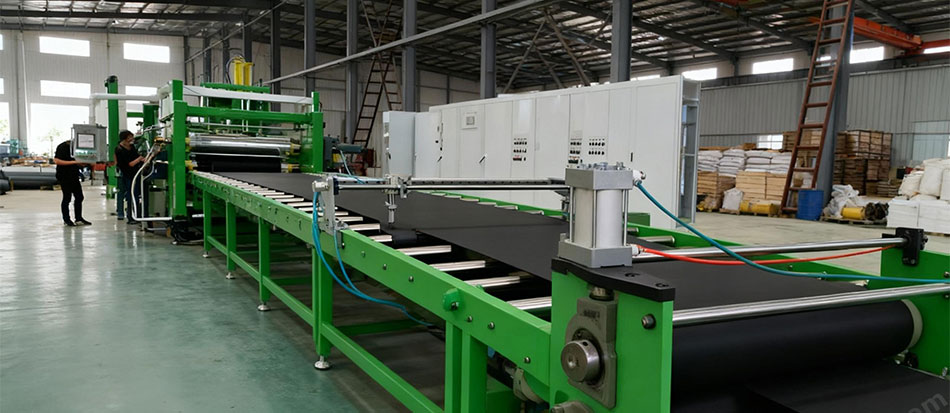
When you look at the specifications of different PU foaming machines, you'll encounter a range of power and voltage requirements. Most industrial-grade machines operate on three-phase power, typically at 380V/50Hz (common in regions like China and Europe) or 480V/60Hz (common in North America). The total power consumption, measured in kilowatts (kW), can vary widely from around 5 kW for smaller, simpler units to over 30 kW for large, high-output machines with multiple heated zones and powerful hydraulic systems. It's crucial for you to check your machine's nameplate or technical manual for the exact specifications, as using an incorrect voltage can cause immediate and severe damage to the electrical components.
2.1、Typical Voltage Ranges: 110V/120V, 220V/240V, 380V/415V
When you examine the specifications of polyurethane foaming machines, you will primarily encounter three standard voltage ranges: 110V/120V, 220V/240V, and 380V/415V. The choice is not arbitrary but is dictated by the machine's power demands, your regional electrical grid standards, and the intended scale of operation.
The 110V/120V range is typical for smaller, portable, or benchtop foaming machines, often used in workshops, laboratories, or for low-volume production. These machines have lower power heaters and smaller motors, making them suitable for standard single-phase outlets commonly found in North America and some other regions. However, their heating and pumping capacity is limited compared to higher-voltage models.
The 220V/240V range represents the most common global standard for industrial single-phase and some three-phase equipment. Many mid-sized production foaming machines operate on this voltage. It allows for more powerful heating elements and motors than 120V systems, enabling faster heat-up times, higher throughput, and the ability to process a wider range of material formulations. You must verify if your specific 220V/240V machine requires a single-phase or three-phase connection.
The 380V/415V range (typically three-phase) is reserved for large, high-output industrial foaming machines and complete production lines. This high voltage is necessary to efficiently power large drum heaters, high-pressure pumps, powerful mixing heads, and sophisticated PLC control systems. Operating at this voltage significantly reduces current draw for the same power output, which allows for the use of smaller gauge wiring and reduces energy losses. This is the standard for heavy-duty, continuous production environments.
2.2、Power Requirements for Small, Medium, and Large Machines
For small, handheld or benchtop polyurethane foaming machines, the power requirements are relatively modest. These units are designed for low-volume production, prototyping, or repair work. You can typically expect them to operate on standard single-phase power, with consumption ranging from 1 kW to 5 kW. They often plug into standard 110V/120V or 220V/240V outlets, making them highly portable and easy to integrate into existing workshop electrical systems without major upgrades.
Medium-sized machines, commonly used for batch production or larger component manufacturing, have significantly higher demands. Their power draw usually falls between 10 kW and 30 kW. At this level, you will almost certainly need a dedicated three-phase power supply, commonly at 380V/400V or 440V/480V, depending on your regional grid. This three-phase power is essential for running the more powerful hydraulic systems, larger heating elements, and robust mixing motors efficiently and smoothly, preventing phase imbalance.
Large, industrial-scale continuous foaming lines or high-pressure metering machines represent the top tier of power consumption. These systems can require anywhere from 50 kW to over 150 kW of electrical power. They are exclusively designed for three-phase high-voltage connections, such as 380V, 415V, or 480V. Installing such a machine is a major electrical project. You must work with qualified electricians to ensure your facility's transformer capacity, incoming service cables, and distribution panel can handle the substantial load and inrush current during startup.
It's crucial for you to understand that the "size" of a machine isn't just about its physical dimensions but its throughput and component power. Always refer to the machine's technical data plate and the manufacturer's manual for the exact nominal power (in kW or HP), voltage, phase, and frequency (e.g., 50/60 Hz) requirements. Never assume based on machine appearance alone, as underestimating these requirements can lead to circuit breakers tripping, voltage drops affecting performance, or serious damage to the machine's electrical components.
2.3、Special Requirements for High-Pressure and Metering Units
High-pressure and metering units are the heart of your polyurethane foaming machine, responsible for precisely pumping, metering, and mixing the chemical components. Their operation places unique and significant demands on your electrical supply. Unlike simple low-pressure machines, these units require robust power to generate the necessary pressure for fine atomization and consistent material flow. The primary power consumers here are the high-pressure pumps and their associated hydraulic or servo drive systems.
You will typically encounter three-phase power requirements for these core units. Common voltage specifications include 380V/50Hz, 400V/50Hz, or 460V/60Hz, depending on your regional grid and the machine's design origin. The amperage draw can be substantial, often ranging from 20A to over 100A per phase, depending on the pump size and number of streams. It is absolutely critical that your facility's wiring, circuit breakers, and connectors are rated to handle this continuous load without voltage drop or overheating.
Beyond raw power, stability is paramount. Voltage fluctuations can directly affect the precision of the metering pumps, leading to an off-ratio mix and poor foam quality. We strongly recommend installing a dedicated voltage stabilizer or line conditioner for the machine's main power feed. Furthermore, the sophisticated servo motors or variable frequency drives (VFDs) that control these pumps are sensitive to electrical noise; proper grounding and the use of noise filters are essential to prevent erratic behavior and protect the electronics.
Finally, do not overlook the control system's power needs. The PLC, touchscreen, and temperature controllers for the material hoses and blocks often require a separate, clean, and stable single-phase supply (e.g., 220V or 110V). This control circuit should be isolated from the high-power pump circuits to prevent interference. Always consult your machine's specific electrical diagram and adhere to the manufacturer's guidelines for separating or connecting these power feeds to ensure flawless and safe operation of your high-pressure system.
3、Key Steps for Proper Electrical Setup and Connection
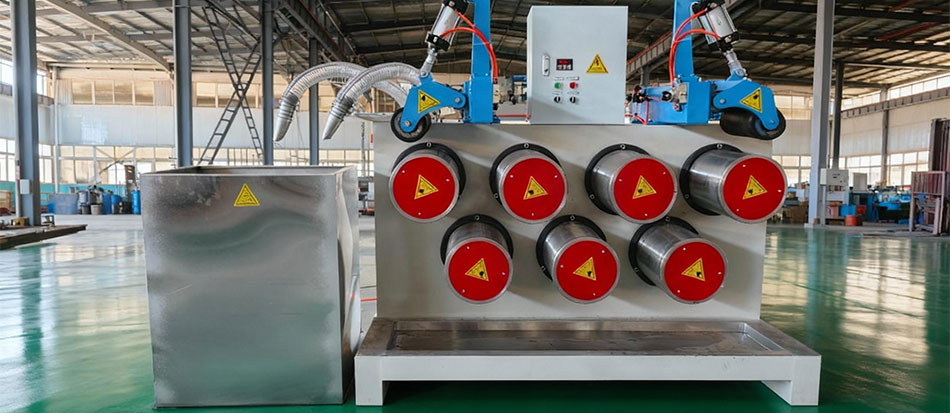
After understanding the importance of power and voltage, the next critical phase is the physical setup. Your first step is always to consult the machine's official manual for its specific voltage (e.g., 220V, 380V, 3-phase) and amperage requirements. Never assume these values. Next, you must ensure your facility's electrical supply matches these specs. This often involves working with a qualified electrician to install a dedicated circuit breaker of the correct rating for your machine. The electrician will run the appropriate gauge of wiring from the main panel to your machine's location, terminating in a properly rated industrial plug or a hardwired connection point. Grounding is non-negotiable for safety; verify that a reliable earth ground is established. Before powering on, double-check all connections are tight and secure. Finally, perform a preliminary test without material to confirm the control system powers up correctly and that heaters and motors respond as intended.
3.1、Assessing Your Facility's Electrical Infrastructure
Before you even consider plugging in your new polyurethane foaming machine, you must conduct a thorough assessment of your facility's existing electrical infrastructure. This is the critical first step to ensure compatibility and prevent costly overloads or damage. Start by locating your main electrical panel and identifying the available power supply characteristics. You need to confirm the voltage (e.g., 220V, 380V, 480V), phase (single-phase or three-phase), and frequency (typically 50Hz or 60Hz) that your facility provides.
Next, examine the capacity of your electrical service. Check the main circuit breaker's amperage rating (e.g., 200A, 400A). You must determine if your current service has sufficient spare capacity to handle the additional load of the foaming machine, which includes its peak starting current, often 1.5 to 2 times its running current. Consulting your machine's technical datasheet for its Full Load Amperage (FLA) or rated current is essential for this calculation.
Physically trace the path from the panel to your intended machine location. You need to verify that the wiring, conduit, and any sub-panels along that route are rated for the required current and voltage. Using undersized cables can lead to voltage drop, overheating, and a significant fire risk. Furthermore, check the type and rating of the outlet or connection point where the machine will be installed to ensure it matches the machine's plug or terminal requirements.
Finally, this assessment is not a one-time task for the initial setup. You should also consider future expansion. If you plan to add more equipment or upgrade to a higher-capacity machine later, factor those potential loads into your current assessment to avoid another major electrical overhaul down the line. When in doubt, always engage a qualified electrician to perform or verify this assessment, as they can provide a certified evaluation of your system's readiness and safety.
3.2、Choosing the Right Circuit Breakers, Wires, and Connectors
Selecting the correct circuit breaker is your first line of defense. It must be rated for the machine's full-load amperage (FLA) as specified in the manual, with a trip curve (typically Type C or D for motor loads) suitable for the high inrush current of the mixing motor. The breaker's interrupting capacity must also meet or exceed the available fault current at your installation point. Never undersize the breaker to avoid nuisance tripping; instead, ensure it matches the wire's ampacity to provide safe overload protection.
Wire sizing is critical for safety and performance. Use the machine's nameplate current and the length of the run from the main panel to determine the minimum wire gauge (AWG or mm²). You must account for voltage drop over distance—excessive drop can cause under-voltage, leading to motor overheating and poor heater performance. Always use copper conductors with insulation rated for the voltage (e.g., 600V) and the environment (e.g., THHN for dry locations). The ground wire is equally important and must be sized according to the local electrical code.
For connectors and terminals, opt for industrial-grade components. Use properly sized lugs or compression connectors for wire terminations at the machine's main disconnect and internal terminals. Ensure all connections are tight to prevent arcing and heat buildup. For power inlet connections (if applicable), use a connector type (like an IEC or twist-lock) that matches your chosen plug and is rated for the machine's current and voltage. Remember, loose or undersized connections are a common cause of electrical failures and fire hazards in industrial equipment.
3.3、The Importance of Proper Grounding and Safety Protocols
Proper grounding is not an optional feature for your polyurethane foaming machine; it is a critical safety and operational necessity. A correctly installed ground wire provides a low-resistance path for stray electrical current to safely dissipate into the earth. Without it, a fault in the machine's electrical system could energize the entire metal frame, creating a severe electrocution hazard for any operator who touches it. Furthermore, sensitive electronic controls within the machine can malfunction or be permanently damaged by voltage spikes or static discharge if the system is not properly grounded.
You must ensure the grounding connection is robust and permanent. This typically involves connecting a dedicated grounding conductor from the machine's designated ground terminal to your facility's grounding electrode system. Never rely on a conduit or flexible metal conduit alone as the grounding path. The connection points should be clean, tight, and free of paint or corrosion to ensure minimal electrical resistance. Regularly inspect this connection as part of your preventative maintenance schedule.
Beyond grounding, implementing comprehensive safety protocols is paramount. Always ensure the machine's main power disconnect is easily accessible and clearly labeled so it can be quickly shut off in an emergency. Before performing any maintenance or clearing a blockage, you must follow a lockout/tagout (LOTO) procedure. This physically locks the power switch in the "off" position and tags it with your name, ensuring no one can accidentally re-energize the machine while you are working on it.
Your operational safety protocol should also include wearing appropriate Personal Protective Equipment (PPE), such as safety glasses, gloves, and protective clothing, especially when handling chemical components. Ensure the work area is well-ventilated to disperse any fumes and that you have spill containment and cleanup materials readily available. By rigorously adhering to these grounding and safety practices, you protect both your personnel and your valuable equipment, creating a foundation for reliable and uninterrupted production.
4、Troubleshooting Common Power-Related Issues
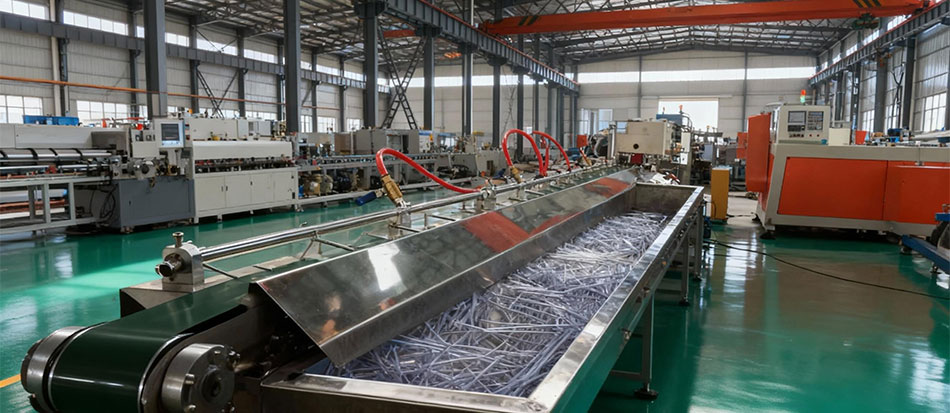
Even with proper setup, you might encounter power-related issues that affect your polyurethane foaming machine's operation. A common problem is inconsistent foam quality, which can often be traced back to voltage fluctuations. If your machine's heating elements aren't receiving stable voltage, the material temperature will vary, leading to poor curing and density issues. You should first check your incoming power supply with a multimeter to ensure it matches the machine's nameplate rating without significant dips or surges.
Another frequent issue is the tripping of circuit breakers or fuses. This usually indicates an overload, meaning the machine is drawing more current than your electrical circuit can handle. Don't simply replace the breaker with a higher-rated one; this is a safety hazard. Instead, verify that no other high-power equipment is sharing the same circuit and that the wiring gauge is adequate for the machine's amperage requirements as specified in the manual.
If the control panel displays error codes or behaves erratically, poor grounding or electrical noise interference could be the culprit. Ensure your machine is properly grounded according to local electrical codes. Using a dedicated power line and installing a power conditioner or an isolation transformer can often resolve these sensitive electronic control issues, protecting your investment and ensuring consistent production cycles.
4.1、Symptoms of Underpowered or Incorrect Voltage Supply
When your polyurethane foaming machine is supplied with insufficient power or incorrect voltage, it will exhibit clear, often progressive symptoms. The most immediate sign is a failure of the machine to start or initialize properly. You may hear a humming sound from the main motor or pump, but it fails to turn over, indicating the motor is struggling without adequate power to overcome its initial inertia.
Another common symptom is inconsistent or poor foam output quality. The machine's heating elements may not reach or maintain the precise temperature required for optimal chemical reaction. This results in under-cured foam, poor cell structure, or inconsistent density. You might notice the foam is sticky, collapses easily, or has an uneven texture, directly tracing back to inadequate thermal energy from the power supply.
Operational performance will also degrade. The mixing motor may run at a slower than specified RPM, leading to improper blending of the polyol and isocyanate components. This poor mixing manifests as streaks, color variations, or weak spots in the final foam product. Additionally, you may observe that the machine's hydraulic or pneumatic systems (if equipped) operate sluggishly, affecting metering accuracy and cycle times.
Electrical components themselves can show distress. Frequent tripping of circuit breakers or fuses protecting the machine's circuit is a major red flag. Control systems may behave erratically—displays might flicker, programmable logic controllers (PLCs) could reset unexpectedly, or sensors may provide inaccurate readings. Over time, sustained under-voltage can cause motors to overheat, damaging insulation and significantly shortening their lifespan, leading to costly repairs.
4.2、Dealing with Voltage Fluctuations and Surges
Voltage fluctuations and surges are among the most common and damaging power issues you will encounter. A fluctuation is a deviation from the nominal voltage (e.g., 220V dropping to 190V or spiking to 250V), while a surge is a very brief but extreme overvoltage spike. Both can cause erratic machine behavior, degrade sensitive electronic components, and lead to premature failure of motors and heating elements.
Your first line of defense is to monitor the incoming power. Use a reliable digital voltage monitor or a power quality analyzer to log the voltage over a typical production cycle. This data will confirm if fluctuations are present and help you identify patterns, such as drops occurring when other high-power equipment in your facility starts up.
For general voltage fluctuations (sags and swells), installing a voltage stabilizer or automatic voltage regulator (AVR) specifically rated for your machine's kVA requirement is crucial. The AVR will automatically adjust the output voltage to a stable range, protecting your foaming machine from the harmful effects of under-voltage (which can overheat motors) and over-voltage (which stresses electronics).
To protect against sudden, high-energy surges—often caused by lightning or utility grid switching—you must install surge protection devices (SPDs). Implement a layered approach: install a primary SPD at your main electrical service entrance and a secondary, more sensitive SPD at the distribution panel feeding your foaming machine. This diverts surge energy safely to ground before it reaches your sensitive equipment.
Ensure all protective devices are properly sized and installed according to local electrical codes and manufacturer instructions. Regularly inspect and test these devices, as they can wear out after absorbing surges. By proactively managing voltage stability, you safeguard your investment and ensure consistent, high-quality foam production.
4.3、When to Call a Professional Electrician
You should call a professional electrician immediately if you encounter any signs of electrical arcing, such as visible sparks, a burning smell from outlets or the machine's electrical panel, or unusual buzzing or crackling sounds. These are clear indicators of a serious fault that poses a significant fire risk and requires immediate expert intervention.
Another critical scenario is when your circuit breakers trip or fuses blow repeatedly upon attempting to power the machine. This persistent fault suggests an overload or short circuit that your existing wiring or protection devices cannot handle safely. An electrician can diagnose whether the issue is with the machine itself, the circuit capacity, or the building's electrical infrastructure.
If you need to modify the power supply setup—such as installing a new dedicated circuit, upgrading your service panel, or changing the voltage configuration (e.g., from single-phase to three-phase)—this work must be performed by a licensed professional. Incorrect installation can violate electrical codes, void equipment warranties, and create dangerous conditions.
Whenever you are uncertain about interpreting the machine's nameplate specifications, matching plug types, or ensuring proper grounding and bonding, consulting an electrician is a wise investment. Their expertise ensures compliance with local regulations and provides a safe, reliable power foundation for your polyurethane foaming operations, preventing costly downtime and hazards.
By now, you should have a solid understanding of the Power and Voltage Requirements for Polyurethane Foaming Machines. Remember, these are not just numbers on a spec sheet; they are the lifeline of your equipment, ensuring it runs smoothly, safely, and efficiently. Taking the time to get this right from the start will save you from costly mistakes and operational headaches down the line.
Always prioritize consulting the manufacturer's manual and, when in doubt, seek advice from a qualified electrician. Your machine is a significant investment, and proper electrical setup is key to protecting that investment and maximizing your return. A well-powered machine is a productive machine.
We hope this guide empowers you to make informed decisions. For more detailed information on specific machine models or advanced troubleshooting, feel free to explore our other resources or contact our technical support team. Happy and safe foaming!
Next Article:Where to Buy Spare Parts and Wear Parts for Foaming Machines: Your Complete Guide