
Extruder for NBR Foam Tubes Used in Sports Equipment Handles: The Key to Superior Grip and Performance
Extruder for NBR foam tubes used in sports equipment handles is a specialized piece of machinery that plays a pivotal role in creating the comfortable, high-performance grips you rely on. Whether you're swinging a tennis racket, cycling, or using gym equipment, the quality of the handle directly impacts your control, comfort, and safety. The precision of the extrusion process defines the foam tube's consistency, density, and durability.
You might not think about the machinery behind your gear, but the extruder is the heart of producing these essential NBR (Nitrile Butadiene Rubber) foam components. It transforms raw NBR compounds into uniform, closed-cell foam tubes that offer excellent shock absorption, sweat resistance, and a non-slip feel. This technology ensures every handle meets the rigorous demands of athletes and casual users alike.
In this article, we'll explore how this specific extruder works, why it's crucial for sports equipment manufacturers, and what features you should look for to achieve the best results. Understanding this process helps you appreciate the engineering behind your favorite sports gear and make informed decisions for your production needs.
1、Why NBR Foam Tubes Are Ideal for Sports Handles
1.1、Superior Shock Absorption and Comfort
1.2、Excellent Sweat and Weather Resistance
1.3、Lightweight and Durable for Long-Term Use
2、How the Specialized Extruder Creates Perfect Foam Tubes
2.1、Precision Metering and Mixing of NBR Compounds
2.2、Controlled Foaming and Cross-Linking Process
2.3、Accurate Sizing and Cooling for Consistent Dimensions
3、Key Features of a High-Performance NBR Foam Tube Extruder
3.1、Advanced Temperature and Pressure Control Systems
3.2、Corrosion-Resistant Barrel and Screw Design
3.3、User-Friendly PLC Interface for Easy Operation
4、Optimizing Your Production Line for Sports Equipment
4.1、Integrating Downstream Cutting and Printing Systems
4.2、Ensuring Quality Control and Batch Consistency
4.3、Adapting to Different Handle Designs and Sizes
5、Choosing the Right Extruder Supplier for Your Business
5.1、Evaluating Technical Support and Customization Options
5.2、Considering Energy Efficiency and Total Cost of Ownership
5.3、Looking at Global Service and Proven Industry Experience
1、Why NBR Foam Tubes Are Ideal for Sports Handles
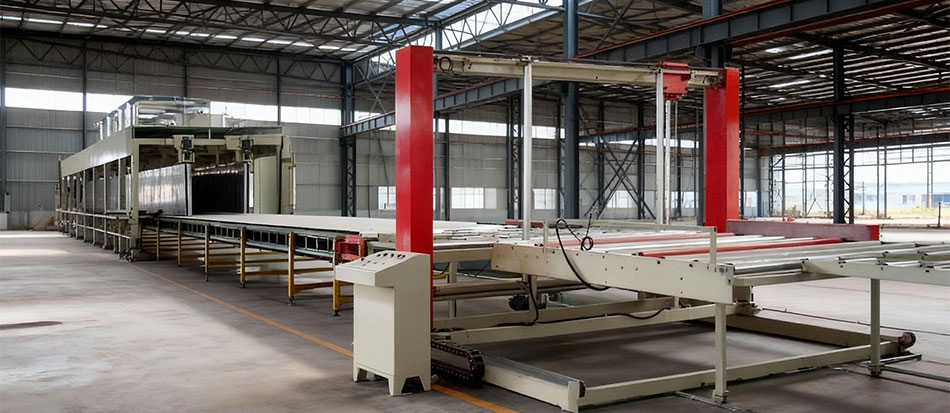
When you choose NBR foam tubes for sports equipment handles, you're selecting a material engineered for peak performance. Its closed-cell structure provides superior shock absorption, reducing fatigue and vibration during intense activities like tennis or cycling. The foam's inherent sweat and moisture resistance ensures a secure, non-slip grip even in wet conditions, enhancing your control and safety. Furthermore, NBR offers excellent durability and resilience, maintaining its shape and comfort over prolonged use. For manufacturers, this translates to a product that athletes trust. Companies like APEX leverage advanced extrusion technology to precisely control the foam's density and uniformity, ensuring every tube delivers consistent quality that meets the high standards of global sports brands.
1.1、Superior Shock Absorption and Comfort
When you grip a piece of sports equipment, the first thing you feel is the handle's ability to cushion impact. The extruder for NBR foam tubes is engineered to produce a consistent closed-cell structure that is key to this performance. This uniform cellular matrix, formed under precise temperature and pressure control during extrusion, acts like millions of tiny air pockets. When force is applied, these cells compress and absorb energy, rather than transmitting it directly to your hands and joints.
This translates directly to your comfort during prolonged use. Whether you're dealing with the repetitive impact of a tennis racket or the constant vibration from a mountain bike, the NBR foam tube effectively dampens these forces. The extruder's precision ensures that the foam density is perfectly calibrated—soft enough for comfort but resilient enough to maintain its shape and not bottom out under pressure, providing a consistently plush feel.
Furthermore, the superior shock absorption directly reduces hand fatigue and the risk of conditions like vibration white finger or tendonitis. For you as a manufacturer, this means the extruder isn't just making a tube; it's creating a critical performance and safety component. The reliability of the extrusion process guarantees that every meter of foam tube delivers the same high level of protective comfort, batch after batch.
1.2、Excellent Sweat and Weather Resistance
When you're in the middle of an intense workout or a long match, your hands will inevitably sweat. This is where NBR foam truly excels. Its closed-cell structure acts as a formidable barrier, preventing moisture from being absorbed into the foam tube itself. Unlike open-cell foams that become soggy and heavy, NBR foam handles maintain their lightweight integrity, ensuring your grip remains consistent and secure, not slippery.
This resistance to sweat is directly tied to the precision of the extrusion process. A high-quality extruder ensures the foam cells are uniformly closed and the material density is optimal, creating a non-porous surface. This means sweat, oils, and even cleaning agents simply bead up on the surface or can be easily wiped away, preventing the degradation and odor-causing bacterial growth common in absorbent materials.
Furthermore, this property extends to environmental factors. Whether your equipment is used outdoors in rain or stored in a humid environment, NBR foam tubes resist water ingress and do not degrade from moisture exposure. The extruder's ability to consistently produce tubes with this closed-cell characteristic guarantees that the handle's performance and comfort are not compromised by weather, making it ideal for all-season and multi-environment sports equipment.
For you as a manufacturer, this translates to a product that requires less maintenance from the end-user and boasts a longer lifespan. You can confidently market your sports handles as durable, hygienic, and reliable under varying conditions, a key selling point driven by the advanced extrusion technology used in their production.
1.3、Lightweight and Durable for Long-Term Use
You need a material that doesn't add unnecessary weight to your equipment, as fatigue can directly impact performance. The extruder precisely controls the foam's cell structure during production, creating a tube that is inherently lightweight. This allows for larger, more ergonomic grip diameters without the penalty of a heavy handle, enhancing user comfort and control during extended play or training sessions.
Durability is non-negotiable. The closed-cell NBR foam produced by a high-quality extruder resists compression set, meaning it bounces back to its original shape after repeated squeezing. This resilience ensures the grip maintains its tactile properties and cushioning over time, resisting the permanent deformation that would render other materials uncomfortable and ineffective.
Furthermore, the extrusion process ensures consistent material density throughout the entire length of the tube. This uniformity is critical for long-term use because it prevents weak spots or areas of premature wear. You get a handle that performs reliably from end to end, season after season, without developing soft spots or losing its structural integrity.
The combination of lightweight construction and inherent durability achieved through precise extrusion translates directly to cost-effectiveness for your production. You deliver a product that lasts longer, reducing warranty claims and enhancing brand reputation for quality, all while providing the end-user with a reliable and comfortable grip that stands up to intense, repeated use.
2、How the Specialized Extruder Creates Perfect Foam Tubes
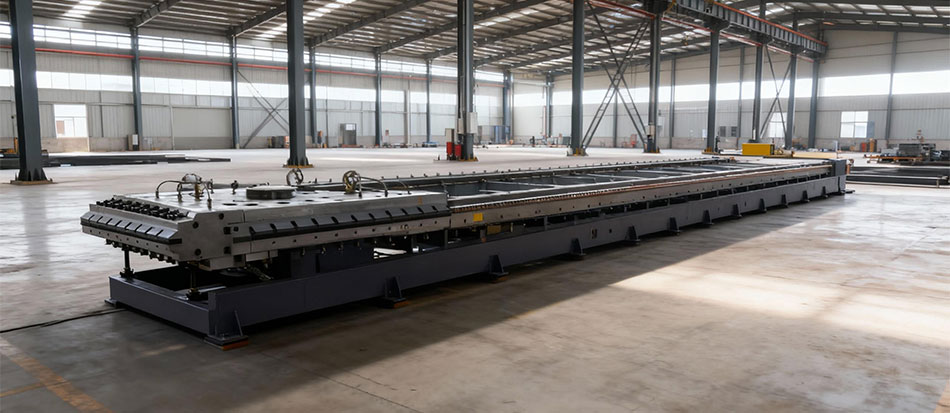
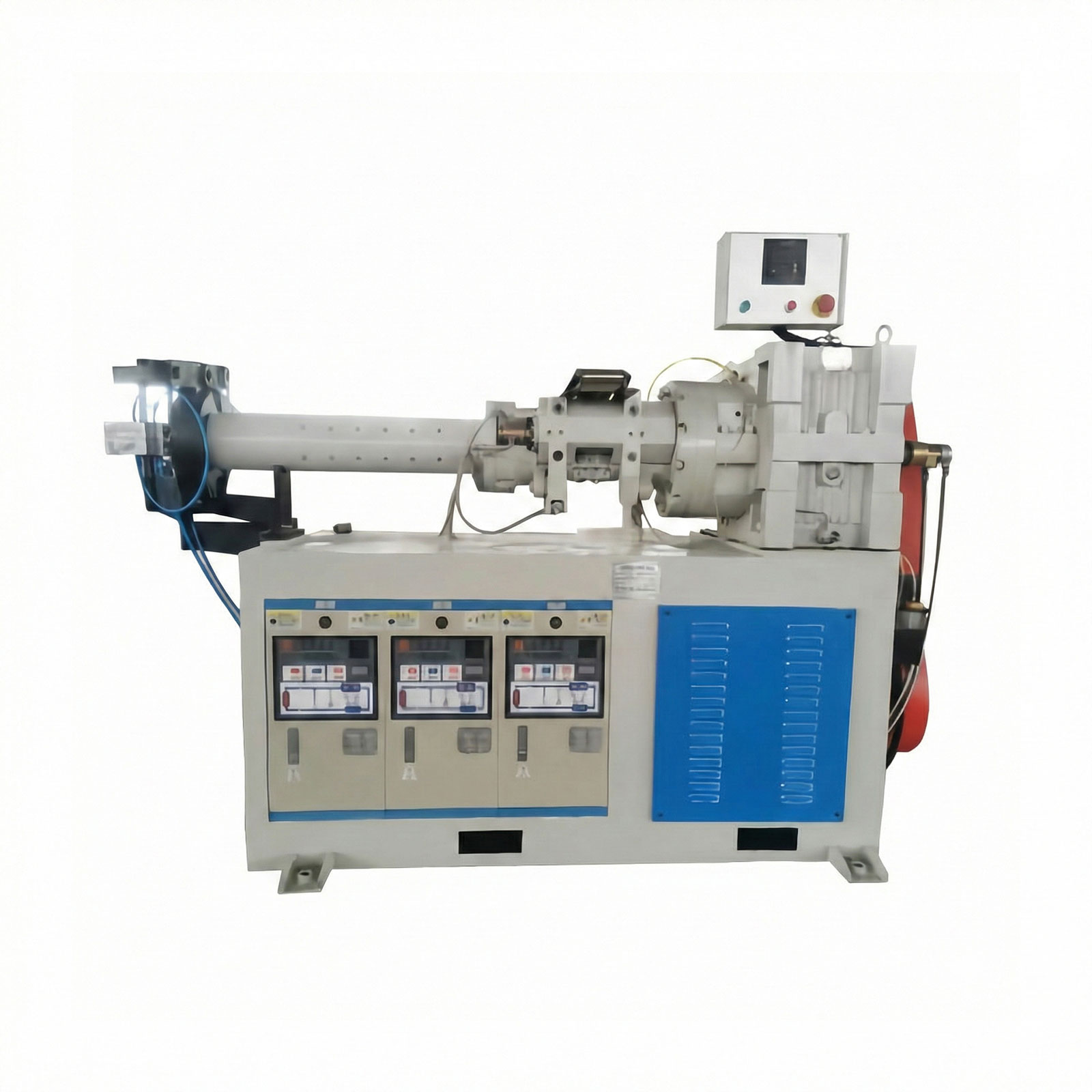
To understand how the specialized extruder creates perfect NBR foam tubes for your sports equipment handles, you need to see it as a precision-engineered system. At APEX (Qingdao Aipake Machinery Technology Co., Ltd.), our extruders are designed to transform raw NBR compounds into consistent, closed-cell foam profiles. The process begins with feeding the compound into the barrel, where a precisely controlled screw applies heat and pressure. This action plasticizes the material and activates the blowing agent, initiating the foaming reaction essential for the tube's lightweight, cushioning properties.
For you, the manufacturer, the key lies in the machine's ability to maintain exact control over temperature, pressure, and screw speed. Our APEX extruders feature advanced digital controls that ensure the foam density and cell structure are uniform along the entire tube length. This uniformity is critical for your final product—it guarantees that every handle grip offers the same reliable shock absorption, sweat resistance, and non-slip performance, whether it's for a tennis racket or gym equipment.
Furthermore, the die and calibration systems are custom-designed for NBR foam tubing. They shape the molten, expanding material into a perfect tube with a smooth surface and consistent inner/outer diameter. This precision, backed by our省级工程技术中心 (Provincial Engineering Technology Center), directly translates to superior grip quality for your end-users. By investing in such specialized extrusion technology, you ensure your sports equipment handles meet the high-performance standards demanded by athletes worldwide, enhancing both comfort and competitive edge.
2.1、Precision Metering and Mixing of NBR Compounds
At the core of your extruder's operation is the precision metering and mixing of NBR compounds. You begin with raw materials: nitrile rubber, blowing agents, curing agents, stabilizers, and pigments. The extruder's feeding system must meter each component with exacting accuracy. Even a slight deviation in the ratio of the blowing agent can lead to inconsistent foam density, directly affecting the final grip's cushioning and feel.
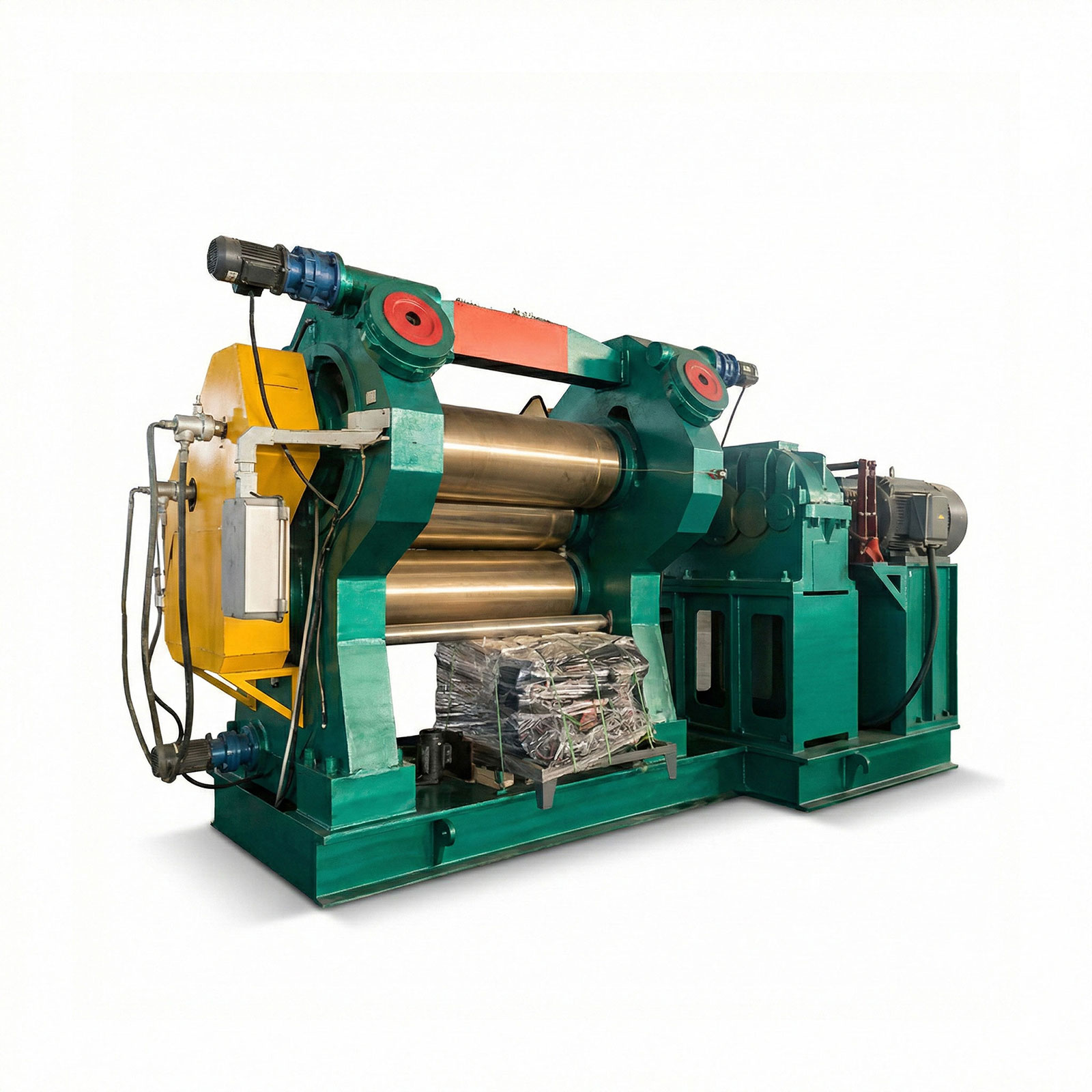
Your specialized twin-screw extruder excels here. As the materials enter the barrel, the intermeshing screws perform multiple functions simultaneously. They convey, compress, shear, and homogenize the compound into a perfectly uniform melt. This intensive mixing is critical for dispersing the blowing agent evenly throughout the NBR matrix, ensuring that the subsequent foaming reaction produces a consistent, closed-cell structure from the tube's inner wall to its outer surface.
Temperature control during this phase is paramount for you. Precise thermal management in each barrel zone prepares the compound for the chemical foaming process. If the temperature is too low, mixing is incomplete; if too high, premature curing or degradation can occur. Your extruder's sophisticated control system maintains the optimal profile, guaranteeing a stable, processable compound ready for shaping and expansion into the perfect foam tube for sports handles.
2.2、Controlled Foaming and Cross-Linking Process
The controlled foaming process begins when you feed the pre-mixed NBR compound into the extruder barrel. Here, a precisely metered chemical blowing agent is activated by the combination of heat and pressure. Your control over the temperature profile along the barrel is critical; too low, and the foaming is incomplete, leading to dense, hard tubes. Too high, and the foam cells can rupture or become too large, compromising the structural integrity and feel of the final grip.
As the material moves through the die head, the sudden pressure drop triggers the expansion of the blowing agent, creating millions of tiny, uniform closed cells within the NBR matrix. Your extruder's design ensures this expansion happens in a controlled, laminar flow, resulting in a consistent cell structure throughout the entire tube length. This uniformity is what gives the foam its predictable cushioning and rebound properties.
Simultaneously, the cross-linking process—often peroxide-induced—is taking place. The heat from extrusion initiates the formation of chemical bonds between the polymer chains. You must carefully balance the temperature and residence time to achieve optimal cross-link density. A well-cross-linked NBR foam tube provides you with superior tensile strength, compression set resistance, and long-term durability, ensuring the handle doesn't permanently deform or become sticky with use.
Your ability to fine-tune these interdependent parameters—temperature, pressure, screw speed, and curing rate—defines the final product's key attributes: density, softness, and resilience. This precise control is what allows you to produce NBR foam tubes that are neither too mushy nor too rigid, but perfectly tuned for the specific ergonomic and performance requirements of different sports equipment handles.
2.3、Accurate Sizing and Cooling for Consistent Dimensions
Once the NBR foam exits the die head, it enters a critical phase where its final dimensions are precisely defined. You cannot rely on the die shape alone; the hot, expanded foam must be accurately sized and rapidly stabilized. This is where the sizing and cooling system of your extruder becomes indispensable. It ensures every meter of foam tube maintains the exact inner diameter (ID), outer diameter (OD), and wall thickness specified for your sports handle application.
The sizing process typically involves a calibrated vacuum sizing tank or a series of precision sizing plates. As the hot foam tube enters this controlled environment, gentle vacuum or mechanical guidance gently shapes it to the required dimensions. For you, this means eliminating variations that could cause handles to feel lumpy, uneven, or fail to fit securely onto equipment cores. Consistency here is non-negotiable for both performance and manufacturing efficiency.
Immediately following sizing, controlled cooling is essential. You need to "freeze" the foam's cellular structure and dimensions. The extruder employs a multi-stage cooling bath, often with temperature-zoned water cascades. This gradual cooling prevents surface defects, internal stress buildup, and shrinkage inconsistencies. If cooled too quickly, the skin can harden and crack; too slowly, and the tube may deform. The right cooling profile ensures the foam retains its resilience and dimensional accuracy.
For you as a manufacturer, this precise sizing and cooling translate directly to product quality and reduced waste. Tubes with consistent dimensions allow for automated cutting and assembly, ensure a uniform grip feel across all products, and guarantee reliable performance under compression and sweat exposure. It's this behind-the-scenes precision that allows end-users to trust their grip, match after match, ride after ride.
3、Key Features of a High-Performance NBR Foam Tube Extruder
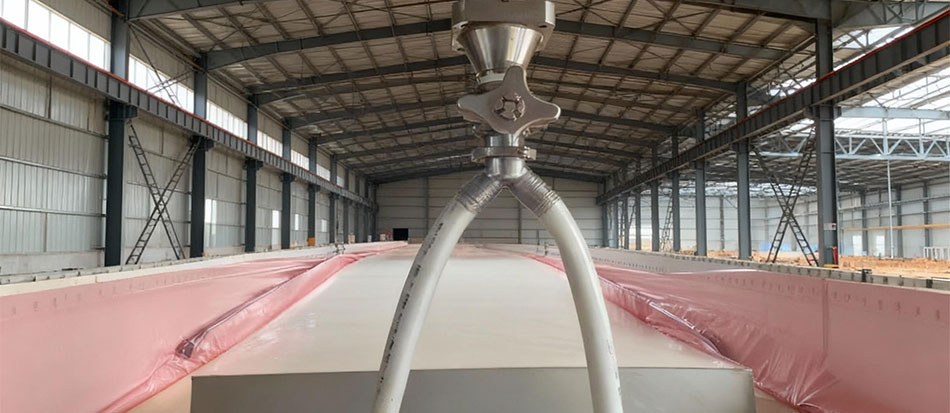
When you're in the market for an extruder to produce NBR foam tubes for sports handles, understanding its key features is crucial for achieving the superior grip and performance highlighted earlier. A high-performance extruder, like those engineered by APEX (Qingdao Apex Machinery Technology Co., Ltd.), integrates several advanced technologies. First, precise temperature and pressure control systems are essential. They ensure uniform cell structure and consistent density throughout the foam tube, which directly translates to reliable shock absorption and a non-slip feel in the final handle.
Secondly, you need an extruder with a robust and intelligent screw design. APEX's expertise in high-precision extrusion means their machines can process NBR compounds efficiently, maintaining the material's properties for excellent sweat resistance and durability. Furthermore, a user-friendly CNC control system allows you to fine-tune parameters easily, ensuring repeatable quality for every batch, whether for tennis rackets, bicycle grips, or gym equipment.
Finally, energy efficiency and stability are non-negotiable for cost-effective, large-scale production. APEX's commitment to providing advanced, energy-saving, and intelligent industrial solutions means their extruders are built for 24/7 operation, minimizing downtime and serving the rigorous demands of global sports equipment manufacturers. Investing in such a machine ensures your products meet the high standards of athletes worldwide.
3.1、Advanced Temperature and Pressure Control Systems
When you operate an extruder for NBR foam tubes, the precision of the temperature control system is non-negotiable. The vulcanization and foaming of the NBR compound are highly sensitive to heat. You need a system that can maintain a consistent thermal profile along the entire barrel and die head. Even minor fluctuations can lead to inconsistent cell structure, causing variations in foam density, surface defects, or incomplete curing, which directly compromises the grip's performance and durability.
Similarly, pressure control is equally critical. The extrusion process must generate and maintain precise pressure to properly mix the blowing agent with the NBR compound and force the material through the die. If the pressure is too low, you risk poor material homogenization and an unstable foam expansion, resulting in weak, uneven tubes. If it's too high, you might overwork the compound, degrade the polymer, or cause excessive die swell, making it impossible to achieve the tight dimensional tolerances required for a perfect fit on sports handles.
Modern high-performance extruders address this with integrated, closed-loop control systems. These systems use multiple, strategically placed sensors to provide real-time feedback on temperature and pressure. The controller then automatically adjusts heater bands and screw speed to correct any deviations instantly. For you, this means unparalleled process stability, repeatability from batch to batch, and a significant reduction in material waste and off-spec production.
Ultimately, investing in an extruder with advanced temperature and pressure control is investing in the quality of your final product. It gives you the confidence to produce NBR foam tubes that offer a consistent, comfortable feel, reliable shock absorption, and a long service life—key attributes that athletes and consumers demand from their sports equipment handles.
3.2、Corrosion-Resistant Barrel and Screw Design
When you're producing NBR foam tubes for sports handles, the barrel and screw are the heart of the extruder, constantly in contact with the raw NBR compound. This compound, especially during the foaming process, can generate corrosive by-products and create a demanding internal environment. A standard, non-resistant design would quickly degrade, leading to metallic contamination in your foam, inconsistent tube dimensions, and frequent, costly downtime for replacements.
For you, this means investing in an extruder with a barrel and screw specifically engineered for corrosion resistance. This typically involves using high-grade, hardened stainless steels or applying specialized surface treatments and coatings, such as nitriding or chromium plating. These materials are selected to withstand the chemical attack from the NBR formulation and the abrasive wear from filled compounds, ensuring a long operational life for the core components.
The direct benefit to your production line is exceptional consistency. A corrosion-resistant screw maintains its precise flight geometry over thousands of hours of operation. This guarantees a uniform shear, mixing, and pressure build-up in the melt, which is absolutely critical for achieving a consistent cell structure and density throughout your NBR foam tube. Any variation here would directly translate into handles with uneven cushioning and grip quality.
Furthermore, this design choice protects your product's purity and your brand's reputation. It prevents minute metal particles from flaking off into the foam, which could compromise the tube's integrity and present a safety hazard in the final sports equipment. For you, it translates to fewer production rejects, lower long-term maintenance costs, and the ability to deliver a reliably high-quality component that athletes can trust with every grip.
3.3、User-Friendly PLC Interface for Easy Operation
For you, the operator or production manager, a user-friendly PLC (Programmable Logic Controller) interface is not a luxury but a necessity for efficiency and consistency. This is the brain of the extruder, and its design directly impacts your ability to control the complex process of NBR foam tube production. A well-designed interface translates intricate machine parameters into clear, actionable commands on a touchscreen.
You benefit from intuitive navigation that allows you to quickly set up recipes for different tube diameters, wall thicknesses, and foam densities. Instead of manual adjustments, you can save precise parameters for each sports handle specification—be it for a golf club, bicycle grip, or weightlifting bar. This ensures repeatable quality from batch to batch, eliminating guesswork and reducing startup waste.
Real-time monitoring is another critical advantage. The PLC interface provides you with a live dashboard showing key metrics like temperature zones along the barrel, screw speed, line speed, and pressure. If a parameter drifts outside its set range, the system can alert you immediately, allowing for proactive intervention before product quality is compromised. This level of control is essential for maintaining the uniform cell structure that defines high-performance NBR foam.
Furthermore, diagnostic features and error logging simplify maintenance and troubleshooting for your team. When an issue arises, the system can guide you to the potential cause, minimizing downtime. This user-centric design empowers your operators, reduces training time, and ultimately protects your investment by ensuring the extruder runs at its optimal performance, producing the superior grips that athletes demand.
4、Optimizing Your Production Line for Sports Equipment
Optimizing your production line for sports equipment handles starts with choosing the right extruder. A high-precision extruder, like those developed by APEX (Qingdao Apex Machinery Technology Co., Ltd.), ensures consistent output of NBR foam tubes with uniform cell structure and density. This consistency is critical for delivering the reliable grip, shock absorption, and durability that athletes demand. By integrating such advanced machinery, you can significantly reduce material waste and minimize downtime, boosting your overall production efficiency and product quality.
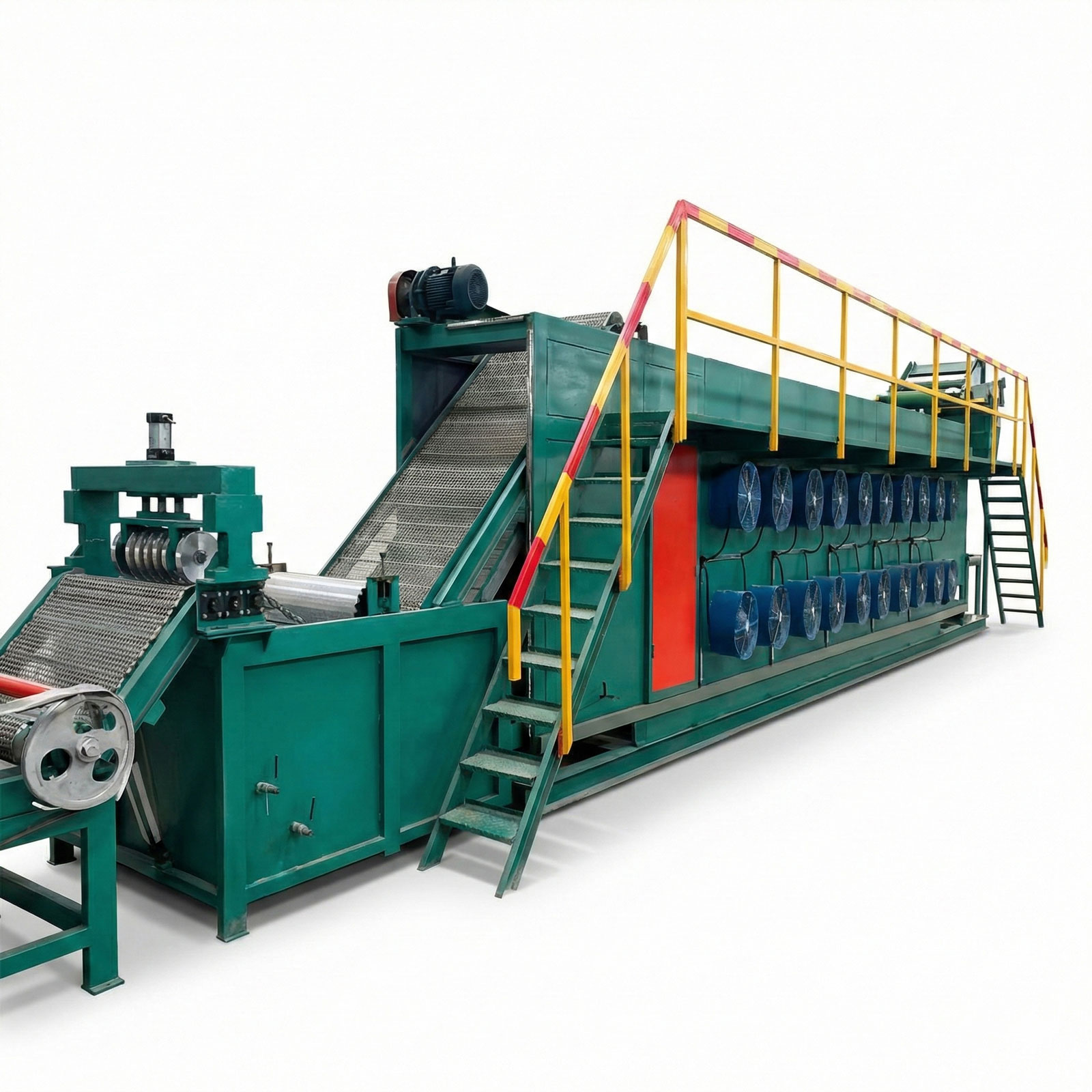
Furthermore, a streamlined production line isn't just about the extruder itself. It involves a holistic approach where the extruder works seamlessly with downstream equipment for cooling, cutting, and finishing. APEX's expertise in providing complete, intelligent industrial solutions means you can benefit from a coordinated system designed for high-volume, precision manufacturing. This integration allows you to meet tight tolerances and complex specifications required for top-tier sports brands, enhancing your competitiveness in the global market.
Ultimately, investing in an optimized extrusion line from a technology leader empowers you to produce superior NBR foam handles that enhance athletic performance. It translates into tangible benefits for your end-users—better control, increased comfort, and improved safety—while strengthening your brand's reputation for quality and innovation in the sports equipment industry.
4.1、Integrating Downstream Cutting and Printing Systems
Integrating downstream cutting and printing systems directly with your NBR foam tube extruder is a critical step in creating a seamless, efficient production line for sports equipment handles. You need to move from a continuous extruded foam log to precisely cut, branded components ready for assembly. This integration eliminates manual handling between processes, reducing labor costs, minimizing material waste, and ensuring consistent product quality from start to finish.
For cutting, you'll typically implement a flying knife cutter or a synchronized servo-driven cutting system. This equipment must be precisely calibrated to your extruder's line speed. It allows you to cut the soft, flexible NBR foam tube to exact lengths—whether for a tennis racket handle, a bicycle grip, or a weightlifting bar pad—without deformation. The key is maintaining a clean, perpendicular cut with no compression of the foam cell structure, which preserves the tube's shock-absorbing properties and aesthetic finish.
Printing or marking systems are often integrated next in line. Here, you can add logos, sizing information, or texture patterns directly onto the foam tube surface. Techniques like hot stamping, inkjet printing, or laser marking are common. When synchronized with the extruder and cutter, printing ensures accurate registration of graphics on every piece. This is vital for brand identity and user information on the final sports product. You must select inks and methods compatible with the NBR foam's surface to ensure durability and resistance to sweat, oils, and abrasion during use.
The control system is the brain of this integrated operation. A centralized PLC (Programmable Logic Controller) should govern the extruder, haul-off, cutter, and printer. This allows you to set parameters like cut length, print position, and production speed from a single interface. Synchronization is non-negotiable; any lag or mismatch can lead to mis-cut pieces or misaligned printing, resulting in scrap. Furthermore, integration enables quick changeovers between different handle specifications, maximizing your line's flexibility for short runs of customized sports gear.
Ultimately, a well-integrated downstream system transforms your extruder from a component producer into a finished-part manufacturing cell. You gain control over the entire critical path of handle production, ensuring every NBR foam tube that comes off your line is dimensionally accurate, consistently marked, and ready to enhance the performance and appeal of the final sports equipment.
4.2、Ensuring Quality Control and Batch Consistency
To ensure quality control and batch consistency, you must first establish rigorous in-process monitoring. This involves integrating sensors directly into the extruder line to measure critical parameters in real-time. You should continuously track the melt temperature, pressure at the die head, and line speed. Any deviation from your set parameters can lead to variations in foam cell structure, density, and ultimately, the tube's compression set and feel. By automating data logging, you create a traceable record for every production run, allowing you to pinpoint the root cause of any quality issue immediately.
Your raw material consistency is non-negotiable. The NBR compound's formulation and the blowing agent's quality directly determine the foam's properties. You must work closely with your material suppliers to ensure batch-to-batch uniformity of the compound. Implementing a strict incoming inspection protocol, including testing for viscosity and cure characteristics, is essential. Even with perfect machinery, inconsistent feedstock will result in inconsistent final products, compromising the grip performance athletes depend on.
Post-extrusion, you need a systematic sampling and testing regimen. Don't just visually inspect the tubes; perform regular destructive and non-destructive tests. Measure the inner and outer diameters, wall thickness, and density at multiple points along the tube's length. Test for compression deflection, tensile strength, and compression set according to relevant sports equipment standards. This data not only confirms the quality of the current batch but also helps you fine-tune the extruder process for future runs, ensuring every handle delivers the same superior shock absorption and non-slip grip.
Finally, achieving batch consistency requires a closed-loop feedback system. Correlate your final product test data back to the extrusion process parameters you recorded. If a test reveals a slight deviation in hardness, you can adjust the temperature profile or line speed for the next batch. This continuous improvement cycle, powered by data from your extruder and quality lab, is what transforms a good production line into a great one. It guarantees that every sports equipment handle you produce, from the first in a run to the ten-thousandth, provides the reliable, high-performance feel that builds brand trust.
4.3、Adapting to Different Handle Designs and Sizes
Adapting your extruder to different handle designs and sizes is a critical capability for producing a versatile sports equipment line. You must ensure the machinery can handle varying outer diameters (OD), inner diameters (ID), and wall thicknesses specified by different product designs. This often involves quick-change features for the die head and mandrel, allowing you to switch between producing a thin, lightweight tube for a badminton racket and a thicker, more cushioned tube for a weightlifting bar within a short downtime.
Precision in dimensional control is paramount. For ergonomic handles with contoured shapes or varying diameters along their length, your extruder's control system must be sophisticated enough to manage subtle changes in extrusion speed and pressure. This ensures the foam tube maintains consistent density and cell structure throughout the profile, which is essential for uniform grip feel and performance.
Material formulation also plays a role in adaptation. While the base is NBR, you may need to adjust compound recipes for different applications. A handle for outdoor cycling equipment might require enhanced UV stabilizers, while gym equipment may prioritize antimicrobial additives. Your extruder must process these slightly varied compounds with the same stability to maintain product quality across your portfolio.
Finally, integrating downstream equipment like on-line cutting systems that can be programmed for different lengths is crucial for efficiency. Whether you're producing standard lengths for later assembly or custom-cut pieces for specific handle molds, a flexible production line centered on a capable extruder allows you to respond swiftly to market trends and custom orders without sacrificing quality or throughput.
5、Choosing the Right Extruder Supplier for Your Business

When your business depends on producing high-quality NBR foam tubes for sports handles, selecting the right extruder supplier is a critical strategic decision. You need a partner who understands the precise requirements for density, cell structure, and surface finish that define a superior grip. A supplier like APEX (Qingdao Aipake Machinery Technology Co., Ltd.), with its dedicated focus on advanced rubber and foam extrusion technology since 2014, offers significant advantages. Their expertise in rubber foaming and profile equipment directly translates to machines engineered for the consistent, high-volume production of NBR foam tubes that meet the demanding standards of sports equipment manufacturers.
You should look for a supplier that provides more than just a machine. Consider their R&D capability, evidenced by APEX's provincial engineering center, which ensures continuous innovation in extrusion precision and energy efficiency. Their intelligent manufacturing base guarantees robust build quality and reliable after-sales support. Furthermore, a supplier with a proven global track record, serving over a thousand clients in 30+ countries, demonstrates an ability to meet diverse international standards and offer solutions tailored to your specific production scale and end-market requirements. Choosing such a technologically adept and globally experienced partner secures your production line's performance and your product's competitive edge in the market.
5.1、Evaluating Technical Support and Customization Options
When you are selecting a supplier for an extruder dedicated to NBR foam tubes, the availability and depth of technical support are non-negotiable. You need a partner who doesn't just sell you a machine but provides comprehensive guidance from the initial process setup through to troubleshooting and optimization. This includes assistance with material formulation, die design for specific tube dimensions and foam density, and training for your operators. A supplier with strong technical support ensures you can quickly resolve production issues, minimize downtime, and consistently achieve the high-quality output required for sports handles.
Customization capability is equally critical. Your sports equipment handles have unique requirements—different diameters, wall thicknesses, foam cell structure, and surface textures. The ideal extruder supplier should offer a high degree of customization in their machine design. This can involve tailored screw configurations for your specific NBR compound, precision temperature control zones for optimal foaming, and customizable haul-off and cutting systems to match your production line's speed and length specifications. A one-size-fits-all approach rarely delivers the performance edge your products need.
Evaluate a supplier's commitment by examining their project history. Ask for case studies or references related to similar NBR foam applications in the sporting goods industry. Inquire about their engineering team's involvement: Will they conduct trials with your material? Can they modify standard designs? The ability to co-develop a solution tailored to your exact handle performance goals—be it for maximum cushioning, lightweight feel, or enhanced durability—is what separates a true partner from a simple vendor.
Finally, consider the long-term relationship. Technical support should extend well beyond the installation phase. Look for suppliers offering readily available spare parts, remote diagnostic services, and regular software or process updates. This ongoing support ensures your extruder remains a reliable and evolving asset, capable of adapting to new material blends or product designs, thereby protecting your investment and securing your position in the competitive sports equipment market.
5.2、Considering Energy Efficiency and Total Cost of Ownership
When you evaluate an extruder for NBR foam tubes, energy efficiency is not just about reducing your electricity bill. It's a core component of the machine's Total Cost of Ownership (TCO). A more energy-efficient extruder directly lowers your operational expenses over its entire lifespan, improving your production margins. You should look for modern drives, optimized heating and cooling systems, and intelligent control software that minimizes power consumption during both steady-state operation and startup phases.
The initial purchase price is only a fraction of the TCO. You must also factor in long-term costs like maintenance, spare parts, potential downtime, and the energy consumption we just discussed. A cheaper, less efficient machine might seem attractive upfront, but higher energy use and more frequent breakdowns can quickly erode those initial savings. A robust, well-designed extruder from a reputable supplier often proves more economical in the long run due to superior reliability and efficiency.
Therefore, your discussions with a supplier must go beyond specifications and quotes. Request detailed data on the machine's power consumption under typical load conditions. Ask about the availability and cost of common spare parts, recommended maintenance schedules, and the supplier's technical support responsiveness. This holistic view of cost will guide you to an investment that maximizes your return and ensures consistent, high-quality production of NBR foam tubes for your sports handles.
5.3、Looking at Global Service and Proven Industry Experience
When you select an extruder supplier for NBR foam tubes, their global service footprint is not just a convenience—it's a strategic necessity. You need a partner who can provide timely technical support, spare parts, and maintenance services, regardless of where your production facilities are located. A supplier with established global service centers ensures minimal downtime, which is critical for maintaining your production schedules and meeting the demands of the fast-paced sports equipment market.
Proven industry experience is equally vital. You should look for a supplier with a documented track record of successfully serving other manufacturers in the sports, fitness, or consumer goods sectors. This experience means they understand the specific challenges of extruding NBR foam for handles, such as achieving consistent cell structure for optimal cushioning and grip. Their historical knowledge translates into better machine design, more accurate process recommendations, and the ability to troubleshoot complex issues you might encounter.
An experienced supplier doesn't just sell you a machine; they become a technology partner. They can offer insights into material formulations, die designs for different tube profiles, and process optimizations to enhance foam properties like density and surface texture. This depth of support helps you innovate and improve your product line, giving you a competitive edge in creating superior sports equipment handles.
Ultimately, by prioritizing a supplier with strong global service and deep industry experience, you invest in long-term reliability and expertise. This choice safeguards your production capability, ensures consistent quality in your NBR foam tubes, and supports your business growth in the global sports equipment industry.
Investing in the right extruder for NBR foam tubes used in sports equipment handles is a strategic decision that elevates your product quality and athlete satisfaction. By focusing on precision, material science, and smart automation, you can produce grips that stand out in a competitive market, offering unmatched comfort and performance.
As you consider upgrading or sourcing this critical equipment, remember that partnering with an expert manufacturer can streamline your journey. A reliable partner provides not just machinery, but comprehensive support from design to after-sales service, ensuring your production line runs smoothly and efficiently.
For those seeking advanced, reliable solutions, APEX (Qingdao Aipake Mechanical Technology Co., Ltd.) stands as a trusted partner. Founded in 2014, APEX is a high-tech enterprise specializing in the R&D, manufacturing, and sales of high-end rubber and plastic machinery. With a provincial engineering center and an intelligent production base, we are committed to delivering advanced, energy-efficient, and intelligent industrial solutions. Our expertise in extruders for rubber foaming and profile equipment, serving over a thousand leading clients across 30+ countries, makes us a competitive and innovative benchmark in the field. Let us help you achieve excellence in every handle you produce.