
Where to Buy the Latest Low-Temp Flame Retardant Hair Fiber Formula from China: Your Ultimate Sourcing Guide
Where to buy the latest low-temp flame retardant hair fiber formula from China is a critical question for manufacturers and product developers aiming to enhance safety and performance in textiles and synthetic fibers. This specialized material combines flame resistance with processing efficiency, making it ideal for various high-safety applications. In this guide, we'll walk you through everything you need to know to source this advanced formula confidently and effectively.
Navigating the Chinese market can be challenging, but with the right information, you can connect with reliable suppliers who offer cutting-edge technology. The demand for low-temperature processing flame retardant fibers is growing, and China has become a hub for innovation in this field. You're in the right place to discover how to access these solutions.
We understand that your priority is finding a formula that not only meets stringent safety standards but also integrates seamlessly into your production line. This article will break down the key considerations, from identifying genuine manufacturers to evaluating technical specifications, ensuring you make an informed purchasing decision.
1. Understanding the Low-Temp Flame Retardant Hair Fiber Formula
1.1. What Makes This Formula Special?
1.2. Key Applications and Industry Benefits
1.3. Performance Standards and Certifications to Look For
2. Key Factors When Sourcing from China
2.1. Identifying Reputable Manufacturers vs. Traders
2.2. Evaluating Technical Specifications and MOQs
2.3. Assessing Quality Control and Testing Protocols
3. Top Channels to Find and Buy the Formula
3.1. Leading B2B Platforms and Industry Directories
3.2. Attending Trade Shows and Exhibitions in China
3.3. Engaging with R&D Centers and Technical Partners
4. Navigating the Purchase and Logistics Process
4.1. How to Communicate Your Requirements Effectively
4.2. Sampling, Negotiation, and Contract Essentials
4.3. Managing Shipping, Customs, and After-Sales Support
1. Understanding the Low-Temp Flame Retardant Hair Fiber Formula

When you're looking to source the latest low-temp flame retardant hair fiber formula from China, understanding its core technology is your first step. This formula is engineered to incorporate flame-retardant agents into synthetic fibers, like those used in wigs, dolls, or specialized textiles, but with a crucial twist: it activates and bonds effectively at lower processing temperatures. For you, this means significant energy savings during production, reduced thermal degradation of the fiber polymer, and ultimately, a final product that maintains superior strength, color fidelity, and texture while meeting rigorous international safety standards such as UL94 or various textile flammability codes.
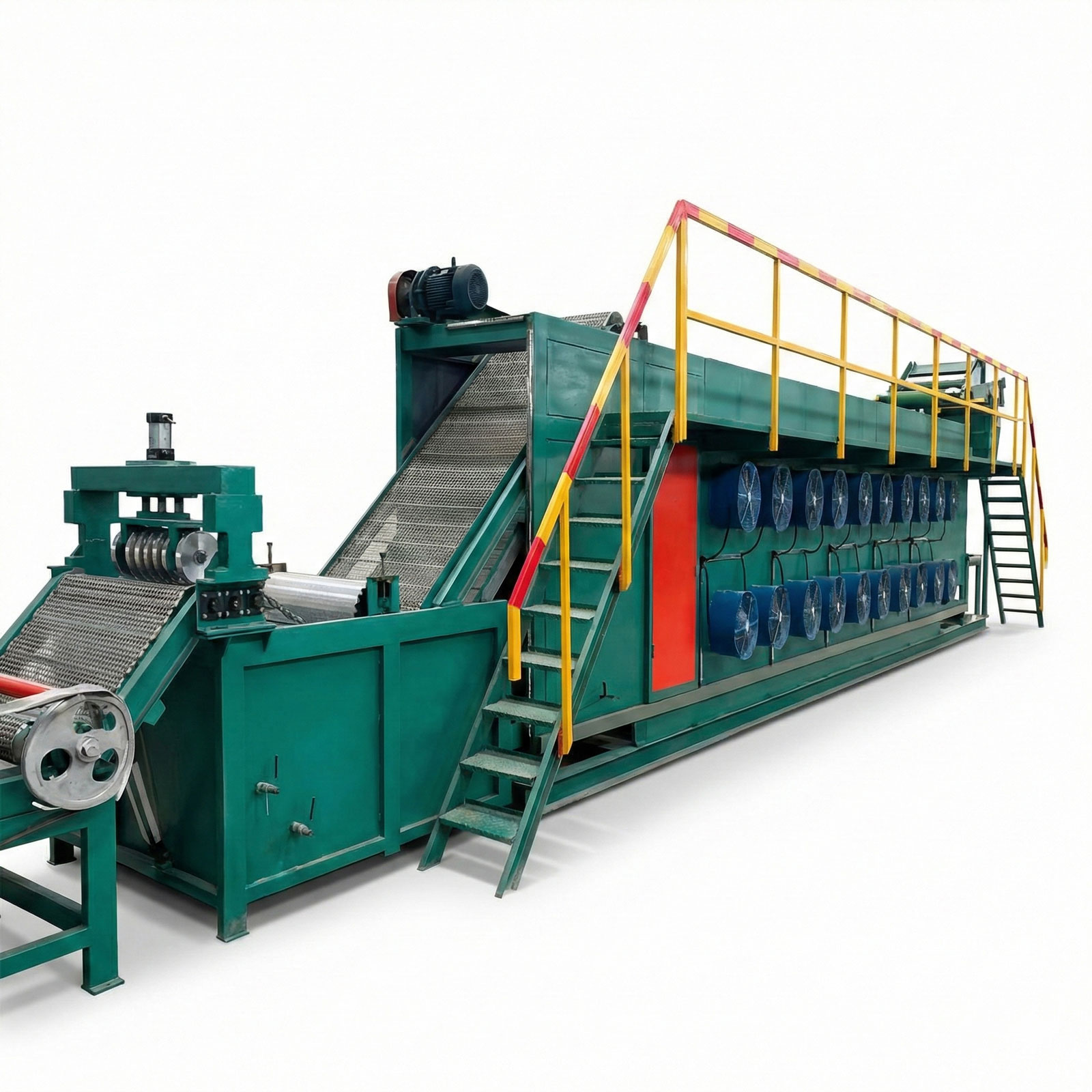
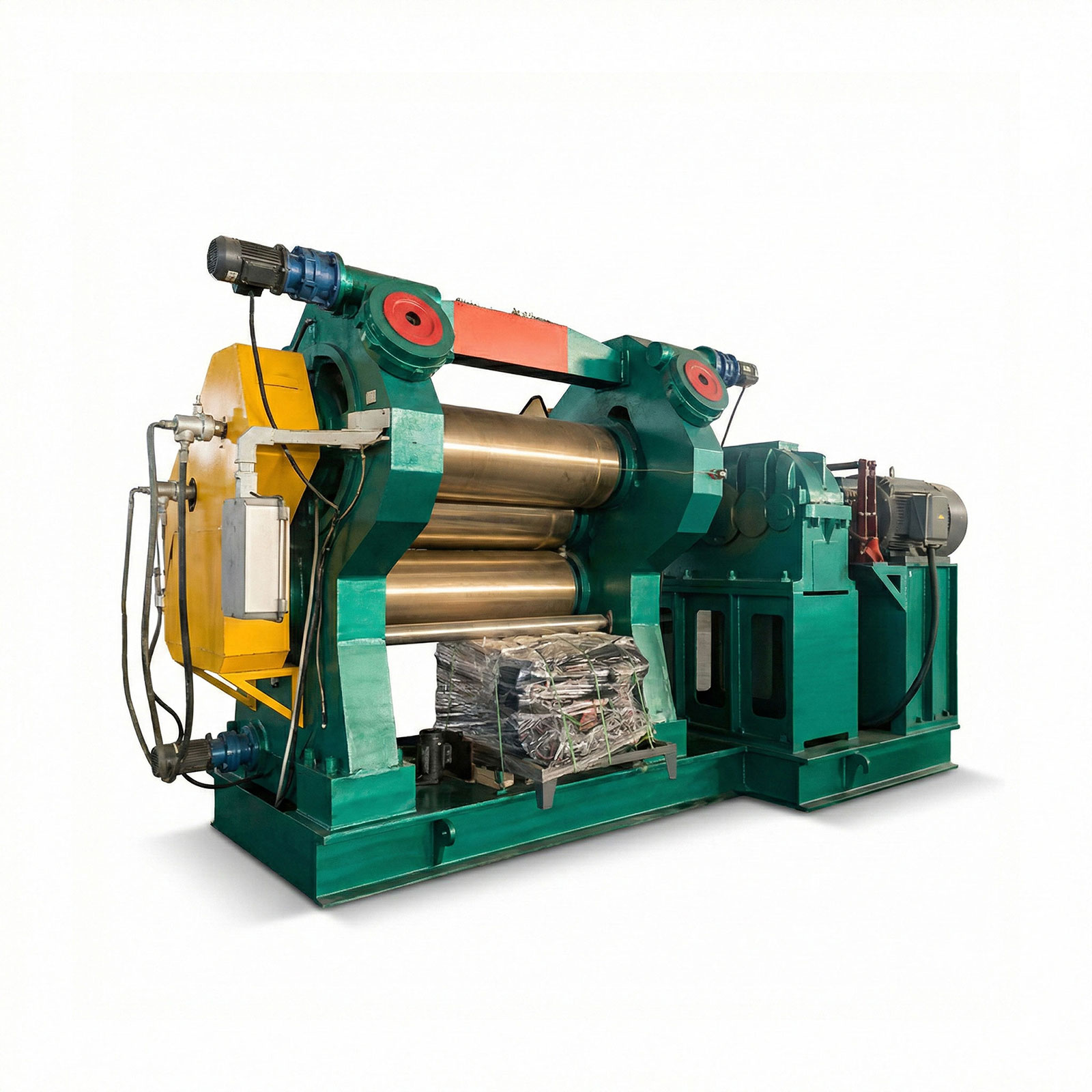
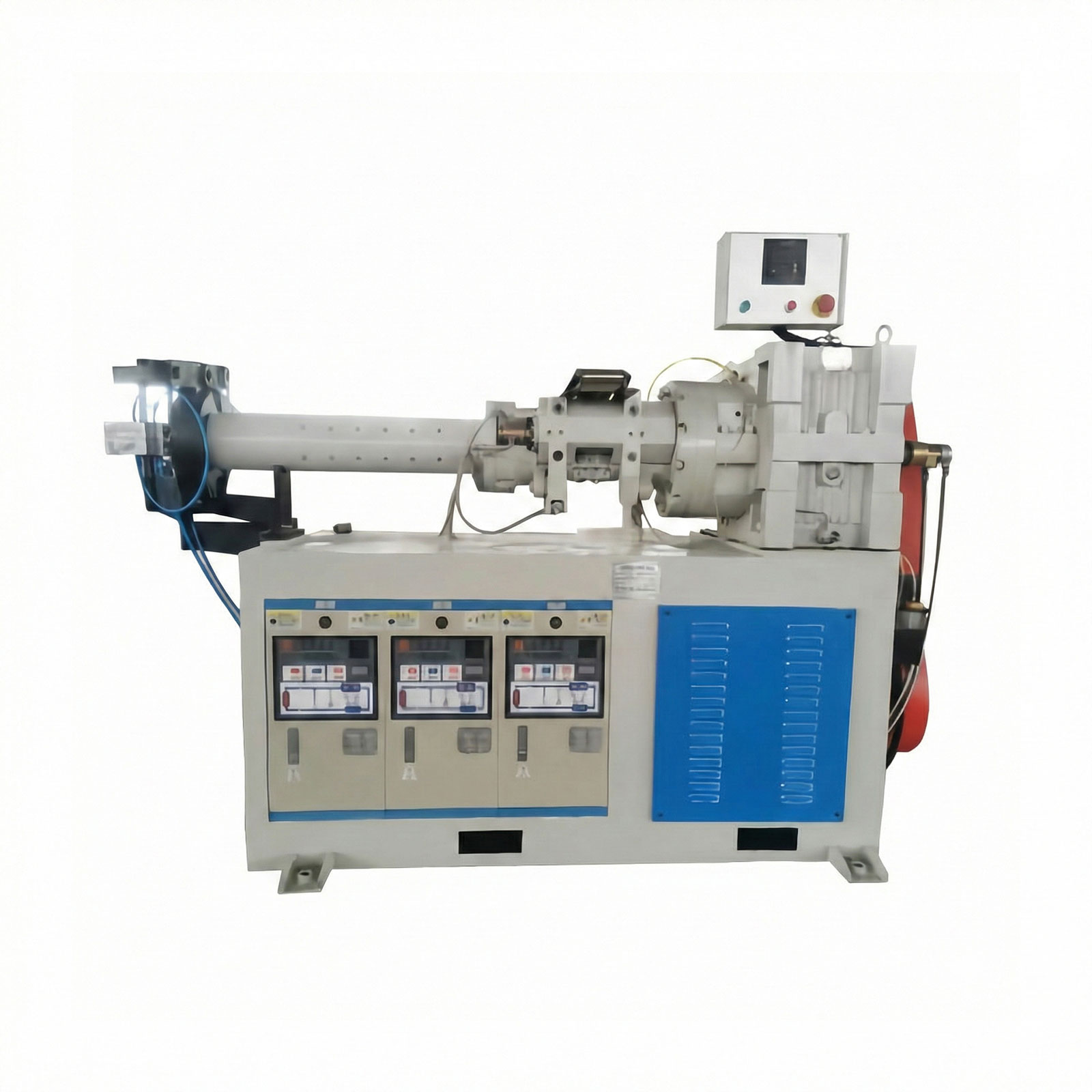
As a manufacturer or developer, your goal is to integrate safety without compromising on process efficiency or product quality. This is where the expertise of specialized equipment providers becomes invaluable. Companies like APEX (Qingdao Apex Machinery Technology Co., Ltd.), with their deep focus on advanced extrusion technology for synthetic fibers and industrial monofilaments, are pivotal. Their high-precision extrusion lines are often designed to handle such specialized formulas, ensuring precise temperature control and uniform dispersion of additives—key factors for the consistent performance of low-temp flame retardant fibers.
Therefore, understanding this formula isn't just about its chemical composition; it's about recognizing it as part of an integrated manufacturing system. Your sourcing journey should consider not only the chemical supplier but also the compatibility with production machinery that can unlock the formula's full potential, ensuring you achieve both safety and commercial viability in your end products.
1.1. What Makes This Formula Special?
The low-temp flame retardant hair fiber formula is special primarily because it achieves high-performance fire resistance at significantly lower processing temperatures compared to conventional flame retardant (FR) additives. Traditional FR agents often require high-temperature curing or blending, which can degrade the polymer structure of synthetic fibers, compromising their tensile strength, elasticity, and overall feel. This formula is engineered to integrate and activate its protective mechanisms at a milder thermal profile.
This characteristic directly benefits your manufacturing process. It allows for energy savings, reduces thermal stress on your production equipment, and minimizes the risk of damaging heat-sensitive dyes or other functional additives in your fiber blend. You can achieve the required flame retardancy—often meeting standards like UL94, EN 45545, or GB/T 5455—without sacrificing the fiber's essential mechanical properties or hand feel, which is crucial for applications in apparel, upholstery, and automotive interiors.
Furthermore, the "hair fiber" aspect indicates a formulation optimized for fibers that mimic human hair, such as those used in wigs, extensions, dolls, and high-end textiles. The formula ensures that the final product not only resists ignition and inhibits flame spread but also retains a natural luster, color fidelity, and softness that are non-negotiable in these consumer-facing applications. It's a balance of safety, aesthetics, and processability that sets it apart.
Finally, the "latest" iteration implies continuous improvement. Suppliers in China are often at the forefront, incorporating next-generation FR technologies like nano-composites, intumescent systems, or synergistic halogen-free formulations that are more environmentally friendly. This means you are sourcing a solution that addresses evolving regulatory pressures and market demands for safer, greener products.
1.2. Key Applications and Industry Benefits
In the textile and synthetic fiber industry, the low-temp flame retardant hair fiber formula is primarily applied in sectors where both safety and material integrity are non-negotiable. You will find its most critical use in protective workwear for firefighters, industrial workers, and military personnel. The low-temperature processing preserves the fiber's strength and comfort, ensuring the final garment offers reliable protection without sacrificing wearability.
Beyond apparel, this advanced formula is essential for interior textiles in high-risk environments. This includes upholstery, curtains, and carpets used in public transportation like airplanes and trains, as well as in hotels, theaters, and healthcare facilities. For you, this means being able to source a material that helps your clients meet stringent fire safety codes while maintaining aesthetic and functional qualities in their products.
The automotive and aerospace industries also benefit significantly. Seat covers, headliners, and interior panels made with this fiber enhance passenger safety by reducing flammability risks. The low processing temperature is a key advantage here, as it allows for combination with other sensitive materials without degradation, giving you more design and engineering flexibility.
From an industry benefit perspective, the low-temperature aspect translates directly to cost and energy efficiency for your production. It reduces thermal stress on manufacturing equipment and lowers energy consumption during processing. Furthermore, it often enables better dye uptake and color fastness, providing you with a final product that is both safer and of higher quality, giving you a competitive edge in the market.
1.3. Performance Standards and Certifications to Look For
When sourcing the latest low-temp flame retardant hair fiber formula from China, verifying performance standards and certifications is non-negotiable. You must ensure the material meets the specific safety and quality benchmarks required for your target market and application. This step is crucial for product integrity, regulatory compliance, and building trust with your end-users.
First, look for compliance with international flame retardancy standards. Key certifications include the UL 94 standard for plastics, which often applies to fibers, and various national or regional standards like the US CPSC 16 CFR Part 1610 (for apparel textiles) or the European EN 13501-1 classification for construction products. For specific applications like protective clothing, standards such as EN ISO 11612 (for heat and flame protection) are paramount. A reputable supplier should readily provide test reports from accredited laboratories.
Beyond flame retardancy, you should inquire about certifications related to environmental and health safety. The OEKO-TEX® Standard 100 certification is highly regarded, indicating the fiber is tested for harmful substances. For products targeting the European market, compliance with REACH (Registration, Evaluation, Authorisation and Restriction of Chemicals) is essential. These certifications demonstrate the supplier's commitment to producing not only effective but also safe and responsible materials.
Finally, do not overlook quality management system certifications from the manufacturer itself. An ISO 9001 certification indicates a structured and reliable production process, which directly impacts the consistency and quality of the formula you receive. When evaluating suppliers, request detailed documentation for all relevant certifications and understand the specific test conditions and results. This due diligence is your best defense against substandard products and ensures the advanced low-temperature formula you purchase performs as promised in real-world conditions.
2. Key Factors When Sourcing from China
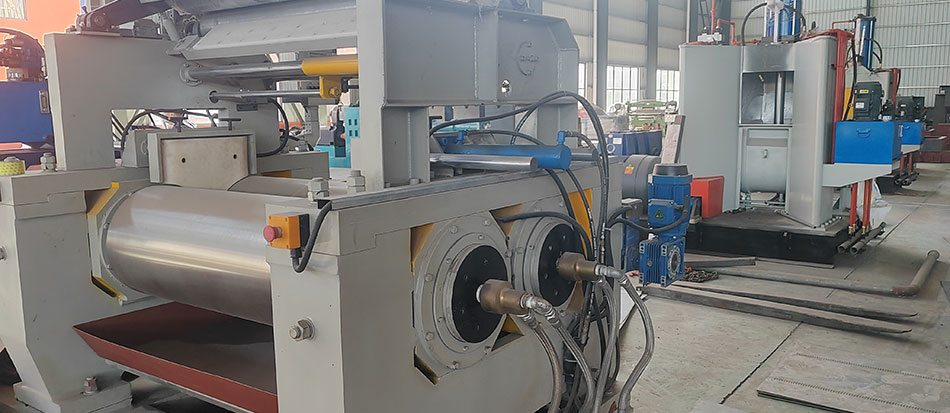
When you decide to source the latest low-temp flame retardant hair fiber formula from China, several key factors demand your attention to ensure a successful partnership. First, verifying the supplier's technical R&D capabilities is paramount. Look for manufacturers with dedicated engineering centers, like Apex (Qingdao Aipake Machinery Technology Co., Ltd.), which operates a provincial-level R&D hub. This indicates a commitment to innovation and the ability to develop and supply advanced, reliable formulas rather than just trading standard products.
Second, closely examine the supplier's production and quality control systems. A genuine manufacturer with an intelligent production base can guarantee consistent formula quality, batch-to-batch stability, and the technical support needed for integration into your production lines, such as specialized extrusion equipment. This is crucial for a performance-critical material like flame retardant fiber.
Finally, assess their global experience and after-sales service. Suppliers with a proven export record to multiple countries demonstrate an understanding of international standards and client needs. Ensure they offer comprehensive documentation, including detailed technical specifications, safety certifications, and responsive support to address any application challenges you might face post-purchase.
2.1. Identifying Reputable Manufacturers vs. Traders
When you start your search for the latest low-temp flame retardant hair fiber formula, the first and most crucial step is to distinguish between genuine manufacturers and trading companies. Manufacturers own the production facilities, control the R&D, and have direct knowledge of the formula's technical parameters. Traders, on the other hand, act as intermediaries; they may offer convenience but often lack in-depth technical support and may have less control over quality consistency and pricing.
To identify a true manufacturer, you should look for specific evidence. A reputable manufacturer will typically have a detailed website showcasing their production lines, R&D laboratories, and quality control processes. They are more likely to provide technical data sheets, material safety data sheets (MSDS), and third-party certification reports for their flame retardant formulas. Be prepared to ask pointed questions about the chemical composition, the exact low-temperature processing window, and the mechanism of flame retardancy.
Verification is key. You can request a factory audit, either virtually through a video tour or in person. Check for business licenses and relevant industry certifications. Manufacturers are often more willing to discuss custom modifications to the formula to suit your specific application, whereas traders usually offer standard products. Remember, sourcing directly from the source gives you greater assurance of accessing the "latest" technology and securing more competitive pricing for the long term.
2.2. Evaluating Technical Specifications and MOQs
When evaluating technical specifications, you must first confirm the exact low-temperature processing range of the formula. This is crucial for your production efficiency and energy costs. Ask suppliers for detailed data sheets specifying the minimum and optimal processing temperatures, ensuring they align with your existing equipment capabilities without requiring costly modifications.
Next, scrutinize the flame retardant performance metrics. Request certified test reports against standards like UL94, LOI (Limiting Oxygen Index), and relevant national or international safety benchmarks. Pay close attention to parameters such as after-flame time, char length, and whether the retardancy is durable to washing or leaching, which directly impacts the end-product's lifecycle and safety compliance.
The MOQ (Minimum Order Quantity) is a critical commercial factor. Chinese suppliers often tie MOQ to price and technical support levels. For a specialized formula like this, initial MOQs might be higher. You need to assess your project scale and budget realistically. Negotiate by discussing potential long-term partnerships or phased delivery to manage inventory and cash flow while securing the supply.
Finally, integrate these evaluations. A lower MOQ from a supplier with subpar technical specs is a false economy. Conversely, an excellent formula with an unattainable MOQ is impractical. Your goal is to find the optimal balance where the technical specifications robustly meet your product's safety and performance needs, and the MOQ is commercially viable for your business model, paving the way for a successful sourcing partnership.
2.3. Assessing Quality Control and Testing Protocols
When you assess a supplier's quality control, start by requesting their detailed Quality Management System (QMS) documentation. A reputable manufacturer will have certifications like ISO 9001, which provides a framework for consistent processes. However, for a specialized product like low-temp flame retardant hair fiber, you must dig deeper. Inquire specifically about their in-process controls for the flame retardant masterbatch integration and the low-temperature extrusion parameters, as these are critical to the final product's performance and consistency.
You should demand comprehensive testing protocols. The supplier must conduct both in-house testing and third-party accredited laboratory tests. Key tests include Limiting Oxygen Index (LOI), vertical flame tests (e.g., ASTM D6413), and thermal analysis to verify the low-temperature processing claim. Don't just accept a certificate of compliance (CoC); ask for the actual test reports. Scrutinize the dates, testing standards used, and the results to ensure they meet your target specifications and international safety standards such as UL 94 or relevant OEKO-TEX® criteria.
Evaluate their batch-to-batch consistency procedures. A reliable supplier will have traceability systems where each batch of raw material and finished fiber can be tracked. Ask about their Retention Sample policy—they should keep physical samples from each production batch for a defined period. This allows for retrospective testing if any issues arise after shipment, providing you with a crucial safety net and evidence of their commitment to quality assurance.
Finally, consider conducting an audit, either virtually or on-site. During an audit, you can observe the production environment, calibration records for testing equipment, and the training level of QC personnel. Pay close attention to how they handle non-conforming products. A transparent supplier with robust QC will have clear procedures for isolating and investigating off-spec material, preventing it from ever reaching you, the customer.
3. Top Channels to Find and Buy the Formula
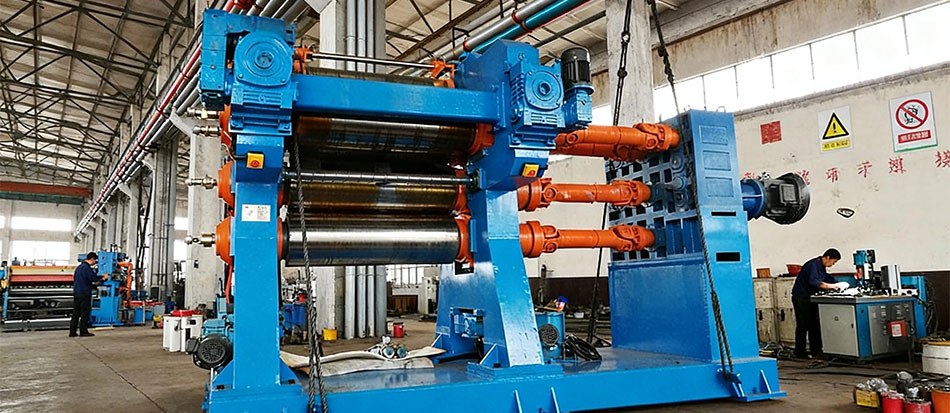
When you're looking to buy the latest low-temp flame retardant hair fiber formula from China, knowing the right channels is crucial for a successful and efficient sourcing journey. Your primary and most direct route is to connect with specialized manufacturers and technology providers in the synthetic fiber and chemical additive sectors. Companies like APEX (Qingdao Apex Machinery Technology Co., Ltd.), while renowned as a high-end rubber and plastic machinery innovator, often have deep industry networks and insights into advanced material formulations used in their extrusion and production lines. Engaging with such established technical partners can provide valuable referrals to trusted formula suppliers.
Secondly, major B2B platforms such as Alibaba.com and Made-in-China.com are indispensable tools. You can use specific keywords like "low temperature flame retardant fiber masterbatch" or "flame retardant hair fiber formula" to filter suppliers. Prioritize manufacturers with verified certifications, R&D capabilities, and a proven track record in exporting to your region. Attending industry-specific trade fairs in China, like the China International Chemical Fiber Fair, offers you the chance to meet suppliers face-to-face, examine product samples, and discuss technical requirements directly, ensuring the formula's latest specifications align with your low-temperature processing needs.
Finally, consider collaborating with sourcing agents or consulting firms based in China that specialize in chemical materials and textile additives. They can navigate local market complexities, conduct factory audits, and negotiate on your behalf, saving you significant time and mitigating risks. By leveraging these top channels—direct manufacturer engagement, reputable B2B platforms, trade exhibitions, and professional intermediaries—you position yourself to secure the most advanced and reliable low-temp flame retardant hair fiber formula efficiently.
3.1. Leading B2B Platforms and Industry Directories
When you begin your search for the latest low-temp flame retardant hair fiber formula, established B2B platforms and industry-specific directories are your most efficient starting point. These digital marketplaces aggregate thousands of verified suppliers, allowing you to compare offerings, technical data sheets, and company credentials in one centralized location. Platforms like Alibaba.com, Made-in-China.com, and GlobalSources.com are primary gateways to the Chinese manufacturing ecosystem. You can use precise keywords such as "low temperature flame retardant fiber," "flame retardant modified polyester," or "FR hair fiber formula" to filter results and identify specialized manufacturers rather than general traders.
To maximize your efficiency on these platforms, focus on suppliers labeled as "Verified" or "Gold Suppliers," and pay close attention to those who explicitly advertise R&D capabilities. A genuine formula developer will often showcase laboratory equipment, patent certificates, and detailed technical parameters like limiting oxygen index (LOI), processing temperature ranges, and compatibility with different polymer bases. Don't hesitate to use the platform's inquiry system to send detailed technical questions; a responsive and knowledgeable reply is a strong indicator of a serious partner.
Beyond general B2B sites, niche industry directories and chemical/material-specific portals can yield more targeted results. Websites focusing on textile chemicals, advanced functional fibers, or flame retardant additives often list specialized formula developers and compounders. These sources may provide deeper technical insights and connect you with companies that operate primarily in the B2B space without a strong consumer-facing storefront. Engaging here can lead you to the innovators who are pushing the boundaries of low-temperature processing technology.
Your due diligence on these platforms is crucial. Always request samples for testing before committing to a large order. A reputable supplier of a true low-temp formula will be willing to provide sample quantities for you to verify its flame retardant performance, processing behavior at lower temperatures, and final fiber properties. This step is non-negotiable to ensure the material meets your specific application requirements and integrates smoothly into your production process.
3.2. Attending Trade Shows and Exhibitions in China
Attending trade shows and exhibitions in China is one of the most effective and direct methods for sourcing advanced materials like the latest low-temp flame retardant hair fiber formula. These events provide a unique platform where you can meet manufacturers face-to-face, inspect product samples, and discuss technical specifications in real-time. Major industrial hubs such as Shanghai, Guangzhou, and Shenzhen host renowned international exhibitions like China International Industry Fair, Intertextile Shanghai, and various specialized chemical and fiber expos.
By visiting these events, you gain firsthand access to the forefront of innovation. You can witness live demonstrations of the formula's application, understand its compatibility with different production processes, and assess the quality of the final fiber product. This tactile and visual experience is invaluable, far surpassing the limitations of online catalogs or datasheets, and allows you to verify claims about low-temperature processing advantages and flame retardant efficacy directly.
Furthermore, trade shows facilitate crucial networking. You can engage in detailed technical discussions with R&D engineers and company executives, negotiate pricing and minimum order quantities on the spot, and establish a personal rapport with potential suppliers. This direct interaction helps you gauge their professionalism, responsiveness, and capability to provide ongoing technical support, which is essential for a successful long-term partnership.
To maximize your visit, plan ahead. Research the exhibitor list, identify key companies known for flame retardant fiber technology, and prepare a list of specific questions regarding formulation stability, certifications (like UL, OEKO-TEX), and customization options. Attending concurrent seminars or industry forums can also provide deeper insights into market trends and regulatory changes affecting flame retardant materials, empowering you to make a more informed sourcing decision.
3.3. Engaging with R&D Centers and Technical Partners
Engaging directly with R&D centers and technical partners in China is a strategic move when you need more than just an off-the-shelf product. This approach is ideal if you require a formula customized for your specific application, processing equipment, or regional compliance standards. These entities are at the forefront of developing the latest low-temp flame retardant technologies and possess deep, proprietary knowledge.
You can identify these partners through industry conferences, technical publications, or by contacting universities with strong materials science and textile engineering departments. Many leading Chinese manufacturers also have dedicated advanced research divisions that operate semi-independently. Reaching out to them demonstrates a serious commitment to innovation and opens the door to collaborative development.
The key advantage here is access to co-development opportunities. Instead of simply buying a formula, you can work with scientists to tweak polymer blends, optimize flame retardant synergists, or adjust processing parameters to achieve a perfect balance of low-temperature processability, flame resistance, and mechanical properties for your end product.
When engaging with these partners, be prepared to discuss your technical requirements in detail. This includes your target Limiting Oxygen Index (LOI), specific low-temperature processing window (e.g., below 200°C), desired fiber denier, tensile strength needs, and any environmental regulations like REACH or Oeko-Tex you must comply with. A clear brief accelerates the collaboration.
Be mindful that this path often involves Non-Disclosure Agreements (NDAs), joint development agreements, and potentially longer lead times. However, the payoff is a proprietary or semi-exclusive formula that can give your products a significant competitive edge in the market, making it a worthwhile investment for forward-thinking companies.
4. Navigating the Purchase and Logistics Process
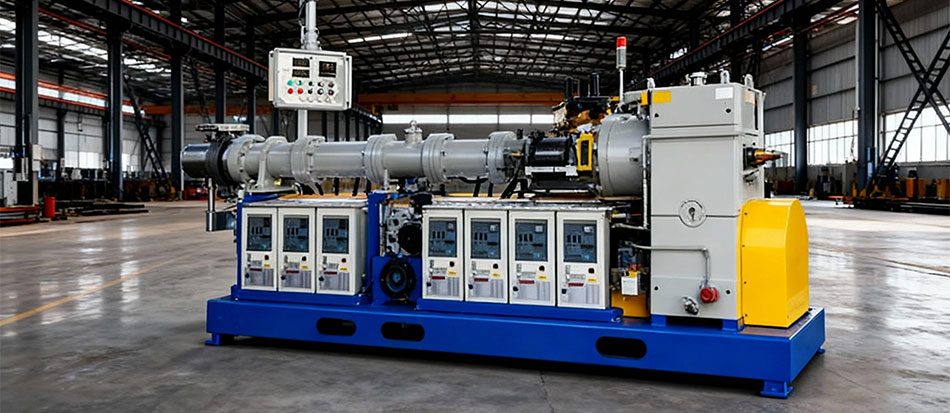
When you decide to buy the latest low-temp flame retardant hair fiber formula from China, navigating the purchase and logistics process is crucial for a smooth transaction. As a buyer, you should first clarify your technical requirements, including processing temperature range, flame retardancy standards (like UL94), and compatibility with your existing production lines. This precision helps in communicating effectively with potential suppliers, such as specialized chemical manufacturers or advanced machinery providers like APEX, whose expertise in high-precision extrusion systems can be invaluable for processing such specialized formulas.
Once you identify a reliable supplier, focus on the purchase terms. Request detailed product specifications, material safety data sheets (MSDS), and samples for testing. Negotiate pricing based on order volume and establish clear payment terms, often using secure methods like Letters of Credit (L/C) or Telegraphic Transfer (T/T). Ensure the contract includes quality guarantees, delivery schedules, and after-sales support clauses to protect your interests.
Logistics planning is equally important. Work with your supplier to arrange shipping—common options include sea freight for cost-effectiveness or air freight for urgent needs. Consider using a freight forwarder experienced in handling chemical materials to manage customs clearance, documentation, and transportation. For companies like APEX, which export globally, they often have established logistics partners to streamline this process, ensuring your formula arrives safely and on time at your facility.
4.1. How to Communicate Your Requirements Effectively
When initiating contact with a Chinese supplier for the low-temp flame retardant hair fiber formula, your first communication sets the tone. Begin by clearly stating your business nature, target application (e.g., protective clothing, automotive interiors, upholstery), and the required production volume. This immediately filters suppliers who can meet your scale and application-specific needs.
You must provide precise technical specifications. Don't just ask for a "flame retardant fiber." Specify the target limiting oxygen index (LOI), required certifications (like UL94, GB, EN standards), the exact low-temperature processing window (e.g., melting point below 160°C), fiber denier, tenacity, and elongation. Mention any colorfastness or compatibility requirements with other materials in your final product.
Request a Technical Data Sheet (TDS) and a Material Safety Data Sheet (MSDS) in English. A reputable manufacturer will have these documents readily available. Scrutinize the TDS for detailed test methods and results. Ask for small batch samples for your own verification testing before committing to a larger order; this is non-negotiable for quality assurance.
Discuss customization options. The "latest" formula often implies adaptability. Inquire if the supplier can adjust flame retardant loading, modify polymer base, or incorporate specific additives to suit your processing equipment and final product performance. Be clear about who bears the cost and time for R&D and trial batches.
Finally, establish clear communication protocols. Determine your main point of contact—ideally a technical sales engineer who understands both chemistry and application. Agree on the primary language for communication (English is common) and preferred channels (email for technical details, WeChat/WhatsApp for quick updates). Confirm their lead times for sample provision and production after order confirmation.
4.2. Sampling, Negotiation, and Contract Essentials
Once you have identified a potential supplier for the low-temp flame retardant hair fiber formula, the next critical phase involves sampling and formalizing the agreement. Requesting a sample is non-negotiable. You must test the material's flame retardancy, processability at low temperatures, and compatibility with your specific production equipment. A reputable Chinese manufacturer should provide a technical data sheet (TDS) and a material safety data sheet (MSDS) with the sample for your evaluation.
During negotiations, focus on key parameters beyond just price. Clarify the formula's minimum processing temperature, LOI (Limiting Oxygen Index) value, durability to washing, and any certifications (like UL94, GB standards). Discuss minimum order quantities (MOQ), lead times, and payment terms. Be clear about your required packaging to ensure the formula's stability during transit.
The contract is your safeguard. Ensure it explicitly details the product specifications, agreed-upon price, delivery schedule (Incoterms 2020, e.g., FOB Shanghai), quality inspection standards, and procedures for handling non-conforming goods. Include clauses for intellectual property protection, especially if the formula is customized. Always have the contract reviewed by a legal professional familiar with international trade, preferably with experience in the Chinese market.
4.3. Managing Shipping, Customs, and After-Sales Support
Once you've finalized your order for the low-temp flame retardant hair fiber formula, managing the logistics chain becomes paramount. You need a clear plan for shipping, navigating customs, and establishing reliable after-sales support. Start by confirming the Incoterms (e.g., FOB, CIF, DDP) with your supplier, as this defines cost, risk, and responsibility boundaries. For specialized chemical formulas, air freight is often preferred for speed and controlled transit conditions, though sea freight may be cost-effective for larger, non-urgent shipments. Ensure your supplier uses compliant, clearly labeled packaging with all necessary Material Safety Data Sheets (MSDS) and technical documentation enclosed.
Customs clearance is a critical step you cannot overlook. Work closely with your supplier to obtain accurate and complete documentation, including a detailed commercial invoice, packing list, certificate of origin, and any required chemical substance notifications or permits. Since regulations on flame retardant materials vary by destination country, you or your appointed freight forwarder must verify all import requirements beforehand to avoid costly delays or seizures. Proactive communication here prevents major logistical headaches.
After-sales support is a key indicator of a supplier's reliability. A reputable partner will provide comprehensive technical data, guidance on storage and handling of the formula, and be available to troubleshoot any application issues you encounter during production trials. Establish clear communication channels and confirm the availability of English-speaking technical support. Furthermore, discuss warranty terms, procedures for addressing potential quality discrepancies, and options for future technical upgrades or reorders. This ongoing partnership ensures the long-term success of integrating this advanced material into your products.
By now, you should have a clear roadmap on where to buy the latest low-temp flame retardant hair fiber formula from China. Remember, success lies in thorough research, direct communication with suppliers, and a focus on quality and certification. Taking these steps will help you secure a material that elevates your product's safety and market appeal.
As you embark on your sourcing journey, consider partnering with established industry leaders who prioritize innovation and reliability. One such company is Qingdao Apex Machinery Technology Co., Ltd. (International Brand: APEX). Founded in 2014, APEX is a high-tech enterprise specializing in the R&D, manufacturing, and sales of high-end rubber and plastic machinery. Their expertise spans personal care and industrial monofilament extruders, high-precision medical/industrial tubing lines, rubber foaming and profile equipment, and PU/sponge CNC production lines.
With a provincial engineering center and an intelligent production base, APEX is dedicated to providing advanced, energy-efficient, and smart industrial solutions. Their equipment and technical know-how are widely used in electronics, healthcare, automotive, and construction industries. Serving over a thousand leading clients across more than 30 countries, APEX stands as a competitive and innovative benchmark in the plastics and rubber machinery field, potentially offering valuable insights or production solutions for your flame retardant fiber projects.
We wish you the best in finding the perfect formula for your needs. Don't hesitate to reach out to multiple suppliers, ask detailed questions, and request samples to test the material's performance in your specific application. Happy sourcing!