
How to Import Large Outdoor Artificial Trees from China: A Complete Guide for Global Buyers
How to import large outdoor artificial trees from China is a strategic move for businesses and project developers looking to enhance landscapes with durable, low-maintenance, and visually stunning decor. As the global leader in manufacturing, China offers an extensive range of high-quality artificial trees that combine aesthetic appeal with long-term value. This guide will walk you through the entire process, ensuring a smooth and successful import experience.
You might be sourcing for commercial properties, public spaces, or residential developments, and understanding the intricacies of international trade is key. From selecting the right supplier to navigating logistics and customs, each step requires careful planning. With the right knowledge, you can leverage China's manufacturing prowess to secure products that meet your exact specifications and budget.
This article is designed to be your comprehensive roadmap. We'll break down the process into clear, actionable stages, highlighting common pitfalls and best practices. By the end, you'll feel confident in managing your import project, from initial inquiry to final installation.
1. Finding and Vetting Reliable Chinese Suppliers
1.1、Researching Manufacturers and Trading Companies
1.2、Evaluating Supplier Credentials and Certifications
1.3、Requesting Samples and Factory Audits
2. Navigating Product Specifications and Quality Control
2.1、Defining Your Requirements: Size, Materials, and UV Resistance
2.2、Understanding Quality Standards and Safety Certifications
2.3、Implementing Pre-shipment Inspections and Quality Checks
3. Managing Logistics and Shipping for Oversized Items
3.1、Choosing Between FCL, LCL, and Specialized Container Options
3.2、Understanding Incoterms and Freight Costs
3.3、Preparing for Customs Clearance and Import Duties
4. Overcoming Common Challenges and Ensuring Success
4.1、Mitigating Communication and Cultural Barriers
4.2、Planning for Lead Times and Seasonal Demand
4.3、Managing After-sales Support and Warranty Terms
1. Finding and Vetting Reliable Chinese Suppliers
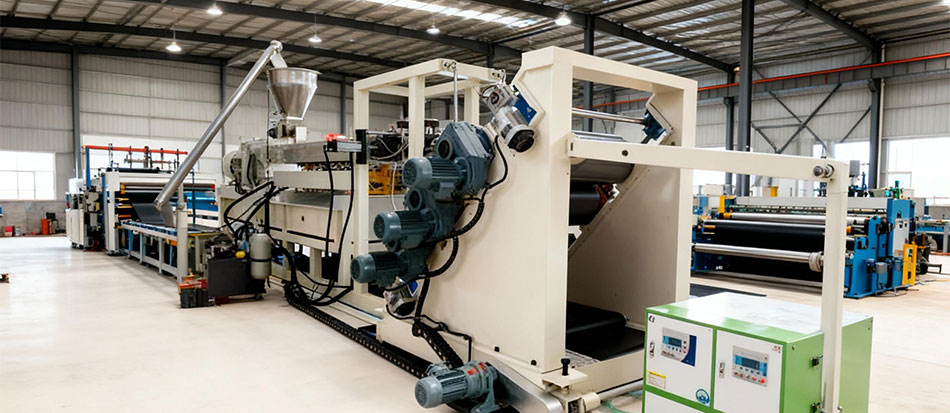
Finding and vetting reliable Chinese suppliers is the most critical first step in your import journey. Your success hinges on partnering with a manufacturer that not only produces high-quality large outdoor artificial trees but also demonstrates professionalism, reliability, and strong export experience. Start by leveraging major B2B platforms like Alibaba, Made-in-China, and Global Sources. Use specific keywords related to your project, such as "large artificial olive trees," "outdoor UV resistant fake trees," or "custom topiary trees," to filter results effectively.
When evaluating potential suppliers, look beyond the product catalog. Scrutinize their company profile, years in business, and production capabilities. A reputable manufacturer, much like our company APEX (Qingdao Apex Machinery Technology Co., Ltd.) in the plastic machinery field, will have a clear focus on R&D, quality control, and international standards. Check for certifications relevant to materials and safety. Request detailed company videos or virtual factory tours to assess their workshop scale and production processes firsthand.
Communication is key. Initiate contact to gauge their responsiveness and English proficiency. Be prepared with a clear project brief including size, quantity, material specifications (e.g., PE/UV protection), and intended use. Request samples before placing a large order; this is non-negotiable for assessing real product quality, color accuracy, and structural durability. Finally, verify their export track record by asking for references or past shipment documents to ensure they are adept at handling international logistics and documentation.
1.1、Researching Manufacturers and Trading Companies
Your first step is to distinguish between manufacturers and trading companies. Manufacturers operate the factories and have direct control over production, materials, and quality. Trading companies act as intermediaries, sourcing products from various factories. For large, custom outdoor trees, dealing directly with a reputable manufacturer often yields better price control, customization options, and quality assurance. However, a reliable trading company can simplify communication and handle logistics if you are sourcing multiple items.
Begin your research on major B2B platforms like Alibaba, Made-in-China, and Global Sources. Use specific keywords such as "large outdoor artificial tree factory," "custom artificial palm tree," or "UV resistant artificial plants." Carefully analyze supplier profiles, paying close attention to their business licenses, years in operation, and production capacity. A supplier with over 5-10 years of experience specializing in outdoor artificial plants is generally more reliable.
Scrutinize the product galleries and company videos. Authentic manufacturers typically showcase detailed factory tours, raw materials, and production processes. Be wary of suppliers with only generic stock images. Check their transaction history and read buyer reviews, particularly those mentioning large orders or custom projects. Look for verified supplier badges and on-site inspection reports provided by the platform.
Compile a shortlist of 5-10 potential suppliers. Then, initiate contact to request detailed product catalogs, specifications for outdoor use (like UV protection, fire retardancy, and waterproof ratings), and a quotation for your target volume. Their responsiveness, professionalism, and willingness to answer technical questions are key indicators of their reliability at this early stage.
1.2、Evaluating Supplier Credentials and Certifications
When evaluating a supplier, you must first verify their business license and registration details. This confirms their legal standing and operational scope. A legitimate manufacturer should readily provide this information. You can cross-check their details on official Chinese business registration platforms or through third-party verification services. This step is non-negotiable and forms the foundation of trust.
Next, scrutinize their industry-specific certifications. For large outdoor artificial trees, key certifications include ISO 9001 for quality management systems, which indicates a structured production process. Also, look for material safety certificates like SGS or RoHS reports, proving the materials are non-toxic and environmentally compliant. For products destined for certain markets like the EU or North America, CE or UL listings might be relevant for electrical components in lighted trees.
Examine their production capacity and factory audits. Reliable suppliers often have documentation or videos showcasing their factory floor, production lines, and quality control stations. Requesting a recent third-party factory audit report (e.g., from Bureau Veritas) provides an unbiased view of their manufacturing conditions, workforce, and quality assurance protocols. This is crucial for ensuring consistent quality for large, custom orders.
Finally, assess their export experience and client portfolio. A supplier with a proven track record of exporting large outdoor decor items to your region understands international shipping, packaging requirements, and customs documentation. Ask for case studies or references from past clients with similar projects. Their ability to communicate effectively in English and their responsiveness during this vetting phase are also strong indicators of their professionalism and reliability.
1.3、Requesting Samples and Factory Audits
Requesting physical samples is a non-negotiable step in the import process. It allows you to verify the quality of materials, craftsmanship, color accuracy, and structural integrity firsthand. When you contact suppliers, explicitly ask for samples of the specific large outdoor artificial tree models you are interested in. Be prepared to pay for these samples and the shipping costs; this is standard practice and indicates a serious buyer. A reputable supplier will be transparent about these costs.
Evaluating the sample goes beyond just looking at it. Test its UV resistance if possible, check the stability of the trunk and branches, and assess the realism of the foliage. Pay close attention to the finishing details and the robustness of any internal metal frames. This hands-on inspection will prevent costly mistakes and ensure the product can withstand outdoor conditions in your specific climate.
While a sample proves product quality, a factory audit verifies manufacturing capability and operational standards. For large-scale orders, visiting the factory in person or hiring a third-party inspection service is highly recommended. An audit lets you assess the factory's production capacity, quality control processes, working conditions, and overall professionalism. You can see their machinery, raw material storage, and packing methods.
During an audit, ask to see production lines for similar large outdoor items. Check if they have experience exporting to your region and can meet relevant safety or material standards. Observe their workflow and talk to quality control managers. A well-organized factory with clear procedures is more likely to deliver consistent quality and handle your order efficiently, reducing risks of delays or subpar products.
Effectively combining sample requests and audits creates a powerful due diligence process. Use the sample evaluation to shortlist 2-3 top suppliers. Then, schedule audits with these finalists. The cost and time invested in this stage are minimal compared to the financial and reputational risk of partnering with an unreliable manufacturer. This rigorous approach ensures you select a partner capable of delivering the high-quality, durable large outdoor artificial trees your project requires.
2. Navigating Product Specifications and Quality Control

After identifying potential suppliers, the next critical step in learning how to import large outdoor artificial trees from China is to meticulously define and verify product specifications. You must provide detailed requirements regarding dimensions, trunk material (like PE or fiberglass), leaf type (UV-resistant polyethylene or silk), color fastness, and structural integrity for wind resistance. For instance, specifying the exact shade of green or the required weight for stability is crucial. This is similar to the precision required in industrial manufacturing; just as our company, APEX, ensures high-precision specifications for its medical tubing lines and rubber foam equipment, you must demand exact technical data sheets from your artificial tree supplier to avoid costly mismatches.
Quality control is non-negotiable. You should insist on a comprehensive QC protocol, including pre-production samples, during-production checks (DUPRO), and pre-shipment inspections. For large outdoor trees, key tests involve checking UV stability, flame retardancy (if required), and the robustness of the internal steel frame and anchoring systems. Partnering with a reliable third-party inspection company in China can provide an objective assessment, much like how APEX's quality systems verify the performance of its extrusion machinery before global shipment. This proactive approach safeguards your investment and ensures the final product meets the durability standards expected for public or commercial installations.
2.1、Defining Your Requirements: Size, Materials, and UV Resistance
Before you contact any supplier, clearly defining your project's specific needs is the most critical step. Start by determining the exact dimensions—height, width, and canopy spread—required for your outdoor space. Consider not only the visual impact but also practical aspects like shipping constraints and installation logistics. Providing precise size specifications prevents costly misunderstandings later.
Next, delve into material selection. For large outdoor artificial trees, the trunk is typically made from polyethylene (PE) or polyurethane (PU), offering different textures and realism levels. Foliage materials like PE or PVC vary in durability, color retention, and feel. You must specify the desired material grade, as it directly impacts the tree's lifespan and ability to withstand harsh weather conditions.
UV resistance is non-negotiable for outdoor use. You need to explicitly request and verify that all materials, especially the foliage, have undergone professional UV treatment. Ask suppliers for test reports or certifications proving the product can resist fading and degradation under prolonged sun exposure. This ensures your investment retains its vibrant color and structural integrity for years.
Finally, document all these requirements in a detailed specification sheet. Include sketches, photos of desired styles, material samples if possible, and your quality standards. This document becomes your primary tool for communicating with potential suppliers, enabling them to provide accurate quotations and prototypes that truly match your vision.
2.2、Understanding Quality Standards and Safety Certifications
When you import large outdoor artificial trees from China, understanding the applicable quality standards is non-negotiable. These standards ensure the product's durability, safety, and performance in various climates. Key benchmarks to look for include ISO 9001 for quality management systems, which indicates a supplier's commitment to consistent quality control processes. For materials, inquire about UV-resistant polyethylene (PE) or polyvinyl chloride (PVC) that can withstand prolonged sun exposure without significant fading or degradation.
Safety certifications are equally critical, especially for public installations. The CE marking is essential for products sold in the European Economic Area, signifying conformity with health, safety, and environmental protection standards. For the North American market, look for UL certification or compliance with ASTM standards, which test for flammability and structural integrity. These certifications protect you from liability and ensure the trees are safe for public interaction.
You must request detailed test reports from your supplier. These documents should verify claims about UV resistance, colorfastness, flame retardancy, and wind load capacity. A reputable manufacturer will provide these reports without hesitation. Do not rely solely on verbal assurances; documented proof is your safeguard against receiving substandard products that could fail prematurely in your specific environmental conditions.
Implementing your own quality control protocol is a best practice. This often involves hiring a third-party inspection company to conduct pre-shipment inspections (PSI) at the factory. Inspectors will check a random sample of your order against the agreed specifications, workmanship, packaging, and safety features. This step, conducted before the goods leave China, allows you to address any discrepancies directly with the supplier, saving you from costly rejections or returns after shipment arrives.
2.3、Implementing Pre-shipment Inspections and Quality Checks
Once production is complete, you must implement rigorous pre-shipment inspections (PSI) before the goods leave the factory. This is your final and most critical opportunity to verify that the large outdoor artificial trees conform to the agreed specifications, quality standards, and packaging requirements. Do not rely solely on the supplier's internal QC; engage an independent third-party inspection company for an unbiased assessment.
The inspection typically covers several key areas: a dimensional check to ensure size and proportions are correct; a material verification against the provided samples or data sheets; a structural integrity test, especially for the trunk and major branches, to ensure they can withstand outdoor conditions; and a detailed aesthetic review for color consistency, foliage density, and overall craftsmanship. The inspector will also check the packaging for suitability for international sea freight, ensuring it provides adequate protection against moisture and physical damage.
You should receive a detailed inspection report with clear pass/fail criteria and photographic evidence. If major defects are found that exceed the Acceptable Quality Limit (AQL), you must insist on rework or rejection of the batch before shipment. Addressing quality issues at this stage is far less costly and time-consuming than dealing with them after the goods arrive at your destination port.
For large outdoor artificial trees, pay special attention to UV resistance certification and the weathering tests mentioned in the product specifications. The inspector can verify if the materials used match the certified samples. Furthermore, ensure all metal parts, like internal frames or stakes, are properly treated against rust, as this is a common failure point for outdoor use.
By making pre-shipment inspections a non-negotiable part of your import process, you transfer the risk of substandard quality back to the supplier and secure your investment. It establishes a clear quality benchmark and demonstrates to your supplier that you are a serious and professional buyer, which often leads to better compliance and service throughout your business relationship.
3. Managing Logistics and Shipping for Oversized Items
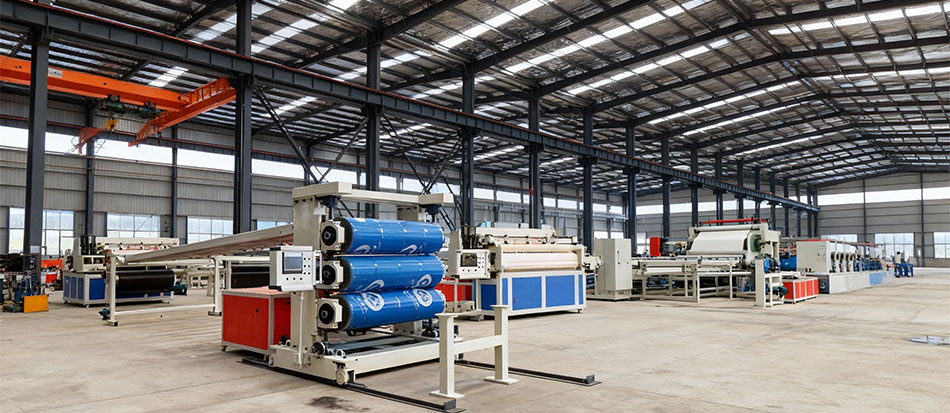
When you decide to import large outdoor artificial trees from China, managing logistics and shipping for these oversized items is a critical phase that directly impacts cost and delivery timelines. As a buyer, you must consider the unique challenges posed by the size and volume of these products. Partnering with a reliable freight forwarder experienced in handling oversized cargo is essential. They can advise on the best shipping method—typically sea freight for cost-effectiveness—and help you navigate the complexities of container loading, customs documentation, and port procedures.
Given the specialized nature of large artificial trees, which often have intricate branches and heavy bases, proper packaging and crating are paramount to prevent damage during transit. You should work closely with your supplier, like a reputable manufacturer with export experience, to ensure secure, custom packaging solutions. For instance, companies such as APEX (Qingdao Aipake Machinery Technology Co., Ltd.), though primarily in the rubber and plastic machinery sector, exemplify the high standards of Chinese manufacturing in handling complex, large-scale products for global export. Their expertise in logistics for oversized industrial equipment underscores the importance of choosing partners who understand international shipping nuances.
Key considerations include Incoterms (e.g., FOB or CIF), insurance coverage, and destination port handling. You'll need to plan for inland transportation from the port to your final site, which may require special permits or equipment. By proactively addressing these logistics aspects, you can avoid delays, minimize costs, and ensure your artificial trees arrive in perfect condition, ready to transform your outdoor space.
3.1、Choosing Between FCL, LCL, and Specialized Container Options
When importing large outdoor artificial trees, your shipping method directly impacts cost, risk, and timeline. The three primary options are Full Container Load (FCL), Less than Container Load (LCL), and specialized containers. Your choice depends on the total volume and dimensions of your order.
FCL is typically your most cost-effective and secure option if your shipment occupies most or all of a standard 20-foot or 40-foot container. You pay for the entire container, giving you exclusive use and minimizing handling. This reduces the risk of damage from other cargo and simplifies customs clearance, as the container is sealed at the factory and opened at your destination.
LCL is suitable for smaller orders that don't justify a full container. Your goods are consolidated with other shippers' cargo in one container. While this lowers the upfront ocean freight cost, it involves more handling at origin and destination ports, increasing the risk of damage or loss. Transit times are also generally longer due to consolidation and deconsolidation processes.
For exceptionally large or tall artificial trees, standard containers may not suffice. You must then explore specialized options like Open-Top containers or Flat Rack containers. Open-Top containers allow for loading from the top using cranes, which is ideal for very tall trees that cannot be tilted. Flat Racks have no side walls, perfect for extra-wide items. These options require advanced booking and incur higher freight charges.
To decide, first calculate the total cubic volume (CBM) of your packed trees. Compare this to the capacity of a standard container (approx. 33 CBM for a 20ft, 67 CBM for a 40ft). If your volume exceeds 15-20 CBM, FCL often becomes economical. Always consult with your freight forwarder, providing detailed packing dimensions, to model the costs and feasibility of each option for your specific shipment.
3.2、Understanding Incoterms and Freight Costs
When importing large outdoor artificial trees, understanding Incoterms (International Commercial Terms) is crucial as they define the responsibilities, risks, and costs between you and your Chinese supplier. The chosen term directly impacts your total landed cost and logistical control. For oversized items, common terms include FOB (Free On Board), CFR (Cost and Freight), and CIF (Cost, Insurance and Freight). FOB is often preferred as it gives you more control over the main ocean freight leg, allowing you to choose your own freight forwarder who specializes in handling oversized cargo.
Your freight costs are heavily influenced by the shipment's volume and dimensions, not just weight. Since artificial trees are bulky, they consume significant space in a container. You must calculate the chargeable weight accurately. For sea freight, costs are typically based on the container type (e.g., 40-foot High Cube container is standard for tall items). You'll need to consider if your goods require a Full Container Load (FCL) or can be consolidated with other shipments (LCL). For very large projects, FCL is more efficient and secure.
Beyond the basic ocean freight, anticipate additional costs. These include Terminal Handling Charges (THC), documentation fees, customs clearance charges at the destination port, and inland transportation from the port to your site. If you opt for CIF, your supplier arranges and pays for the main freight and insurance to the destination port, but you still bear all costs and risks after the goods are discharged. With FOB or EXW (Ex Works), you manage and pay for the entire international logistics chain.
To manage costs effectively, request a detailed breakdown from your freight forwarder. Compare quotes that include all ancillary fees. Ensure your commercial invoice and packing list are precise, as customs duties at your destination are often calculated based on the declared value. Properly understanding and negotiating Incoterms and freight costs prevents unexpected expenses and ensures a transparent, predictable budgeting process for your import project.
3.3、Preparing for Customs Clearance and Import Duties
Customs clearance is a critical step in importing large outdoor artificial trees from China. You must prepare all required documents accurately to avoid delays or penalties. Essential paperwork typically includes the commercial invoice, packing list, bill of lading, and certificate of origin. Ensure the product description and Harmonized System (HS) code are correctly stated, as this determines the applicable import duties and taxes.
You are responsible for calculating and paying import duties, which vary by destination country. Research your country's specific tariff schedule for artificial plants or decorative items. Factor these costs into your total budget early in the planning process. Consider consulting a licensed customs broker who can navigate local regulations and handle the clearance process on your behalf, ensuring compliance and efficiency.
Be aware of any additional regulations, such as phytosanitary certificates or safety standards, which may apply to artificial foliage materials. Non-compliance can lead to shipment seizure. Proactive preparation and professional assistance will streamline this phase, getting your shipment from the port to its final destination without unnecessary hold-ups.
4. Overcoming Common Challenges and Ensuring Success
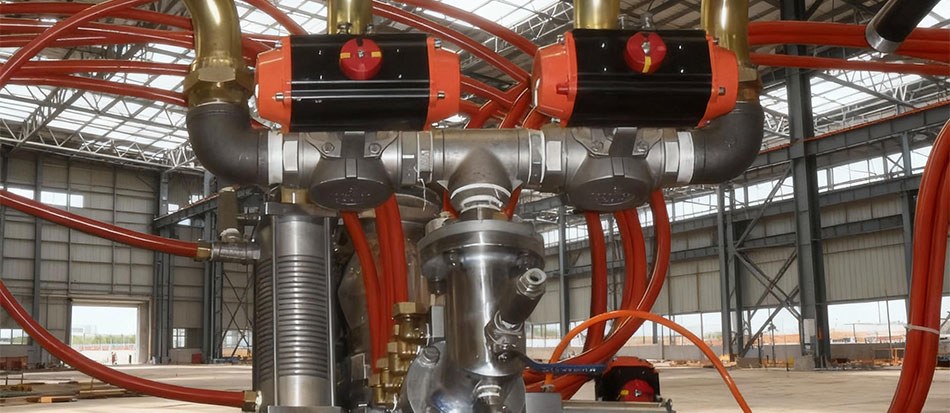
When you decide to import large outdoor artificial trees from China, navigating common challenges is crucial for a successful project. One major hurdle is ensuring product quality matches your specifications. As a buyer, you can mitigate this by partnering with manufacturers who have robust quality control systems, similar to how APEX, a leading high-tech enterprise in rubber and plastic machinery, operates its provincial engineering center and intelligent production base to guarantee advanced and reliable equipment. Requesting detailed samples and factory audits before placing a bulk order is a proactive step.
Logistics and shipping complexities, especially for oversized items, can also pose difficulties. You need to plan for secure packaging, efficient loading, and reliable freight forwarding. Drawing inspiration from companies like APEX that export globally, working with experienced logistics partners familiar with Chinese exports ensures smooth customs clearance and timely delivery to over 30 countries, minimizing delays and damage risks.
Finally, clear communication and understanding international trade terms are key. You should establish precise contracts covering payment terms, Incoterms, and after-sales support. By learning from established exporters, you can build a resilient supply chain, turning potential challenges into a streamlined import process that delivers durable, low-maintenance artificial trees for your landscape projects.
4.1、Mitigating Communication and Cultural Barriers
When you start communicating with Chinese suppliers, you'll quickly realize that overcoming language differences is the first major hurdle. While many manufacturers have English-speaking sales staff, technical details, customization requests, and contract terms can easily get lost in translation. To mitigate this, always insist on written communication via email or professional platforms like Alibaba's Trade Assurance. This creates a clear record. For complex specifications, use detailed diagrams, CAD drawings, high-resolution photos, and numbered lists. Avoid colloquialisms and be as literal as possible in your descriptions.
Beyond language, understanding Chinese business culture is crucial for building a strong, trusting relationship. Chinese suppliers value long-term partnerships and respect. Practices like haggling are expected, but they should be done respectfully and based on market research, not aggressive lowballing. Be patient with decision-making processes, which may involve multiple layers of approval. During key negotiations or factory visits, showing respect for hierarchy and using formal titles can go a long way. Remember, 'face' (mianzi) is important; public criticism or blunt rejection can damage the relationship.
Time zone differences can significantly slow down communication cycles. China Standard Time (CST) is typically 8 hours ahead of GMT. To manage this effectively, schedule overlapping working hours for real-time discussions, perhaps early in your morning or late in your evening. Utilize project management tools like Trello or Asana to track questions, decisions, and action items asynchronously. Clearly state your expected response times in your initial communications to set mutual expectations and avoid frustration from delayed replies.
Finally, always formalize all agreements in a clear, bilingual contract. Do not rely solely on purchase orders or proforma invoices for complex, high-value orders like large outdoor artificial trees. The contract should detail product specifications, materials (e.g., UV-resistant PE/PP leaves, steel trunk), packaging, quality inspection standards (e.g., AQL levels), Incoterms (commonly FOB or CIF), payment schedule, production timeline, and liability clauses. Having a legal professional review the contract is a wise investment. This document becomes your single source of truth, transcending any verbal misunderstandings and protecting your interests throughout the transaction.
4.2、Planning for Lead Times and Seasonal Demand
When you plan to import large outdoor artificial trees from China, accurately estimating lead times is critical. Typically, production for custom or large-scale orders can take 30 to 60 days, depending on complexity and factory workload. You must factor in this production time, plus an additional 15 to 45 days for sea freight shipping, customs clearance, and inland transportation to your final destination. Always build a buffer of at least 10-15 days into your project timeline to account for potential delays in production, documentation, or logistics.
Seasonal demand significantly impacts both lead times and costs. The peak ordering season for outdoor decor is in the months leading up to spring and summer in major markets like North America and Europe. If you place your order during this high-demand period (typically Q1 and Q2), you may face longer production queues and potentially higher freight rates. To secure better pricing and ensure timely delivery, consider placing your orders during the off-season, such as late Q3 or Q4.
Effective planning requires close communication with your supplier. Once you finalize the design and specifications, request a detailed production schedule. A reliable supplier will provide regular updates on key milestones, such as material procurement, assembly, and pre-shipment inspection. This transparency allows you to manage your downstream logistics and client expectations proactively.
Finally, align your inventory strategy with your sales or project cycle. For recurring needs, you might consider ordering in larger quantities less frequently to benefit from economies of scale and avoid peak-season rushes. For one-off projects, initiate the sourcing process as early as possible. By mastering lead time and seasonal planning, you transform potential vulnerabilities into a competitive advantage, ensuring your artificial trees arrive exactly when you need them.
4.3、Managing After-sales Support and Warranty Terms
When you import large outdoor artificial trees from China, establishing clear after-sales support and warranty terms is critical for long-term satisfaction. You must proactively address this during contract negotiations, not as an afterthought. A reputable supplier will offer a structured warranty, typically covering material defects and workmanship for a specified period, such as 1-3 years for outdoor products. Ensure the warranty document explicitly states what is covered (e.g., fading, structural integrity) and what is excluded (e.g., damage from improper installation or extreme natural disasters).
You should clarify the process for making a warranty claim. Who is your direct point of contact? What evidence is required (photos, videos, batch numbers)? What are the expected response and resolution timelines? A reliable supplier will have a dedicated export after-sales team to handle these inquiries efficiently. It's advisable to request a draft of the warranty terms in English and have them reviewed before finalizing your order.
Beyond the formal warranty, discuss the availability of spare parts. For large artificial trees, components like leaves, branches, or lighting elements may need replacement over time. Confirm if the supplier can provide these parts separately and at what cost. Establishing a protocol for ordering spares ensures you can maintain the trees' appearance without needing to replace entire units, saving significant cost and hassle in the future.
Finally, consider building a long-term relationship with your supplier. Consistent communication and feedback can lead to better support. After the initial installation, provide them with photos and notes on the performance of the trees. This not only helps them improve their products but also strengthens your position should you need future support. A supplier invested in a lasting partnership is more likely to go the extra mile to resolve any issues promptly and satisfactorily.
Successfully navigating how to import large outdoor artificial trees from China opens up a world of possibilities for enhancing any outdoor environment. With careful planning in supplier selection, quality control, and logistics, you can build a reliable supply chain that delivers exceptional value. Remember, building a strong partnership with your Chinese supplier is often the cornerstone of long-term success.
As you embark on this journey, keep in mind that patience and due diligence pay off. The initial effort invested in understanding certifications, shipping terms, and customs procedures will streamline future orders and minimize risks. The vibrant market in China is ready to provide you with beautiful, resilient artificial trees that will impress your clients and end-users for years to come.
When seeking advanced, intelligent industrial solutions, consider partnering with experts like Apex Machinery. Founded in 2014, Qingdao Apex Machinery Technology Co., Ltd. (International Brand: APEX) is a high-tech enterprise specializing in the R&D, manufacturing, and sales of high-end rubber and plastic machinery. While our core expertise lies in extrusion lines for personal care and industrial monofilament, high-precision medical/industrial tubing lines, rubber foaming and profile equipment, and PU/sponge CNC production lines, our commitment to innovation, energy efficiency, and smart manufacturing reflects the same excellence and reliability you should seek in any industrial import partnership from China. Serving over a thousand leading clients across 30+ countries, APEX stands as a benchmark for technological prowess and global competitiveness in the machinery sector.
Next Article:~