
How Efficient is a Polyurethane Foaming Machine? A Complete Guide
How Efficient is a Polyurethane Foaming Machine? This is a crucial question if you're considering investing in one for your manufacturing or production line. You need to know not just about its speed, but about its overall performance, cost-effectiveness, and impact on your final product quality. Understanding its efficiency can be the difference between a profitable operation and one plagued by waste and delays.
In this guide, we'll break down exactly what makes a polyurethane foaming machine efficient. We'll look beyond the basic specs and explore how different factors work together to deliver value. You'll gain insights that help you choose the right machine and optimize its use for your specific needs.
Efficiency isn't a single number; it's a combination of output speed, material usage, energy consumption, and reliability. By the end of this article, you'll have a clear framework to evaluate any machine's true efficiency and understand how it can benefit your business.
1. Defining Efficiency in Foaming Machines
1.1. Output Speed and Cycle Time
1.2. Material Utilization and Waste Reduction
1.3. Consistency and Quality of the Foam
2. Key Factors That Drive Machine Efficiency
2.1. Precision Metering and Mixing Systems
2.2. Advanced Control Systems and Automation
2.3. Robust Design and Component Quality
3. Measuring the Impact on Your Operation
3.1. Cost Savings on Raw Materials
3.2. Energy Consumption and Operational Costs
3.3. Labor Efficiency and Ease of Use
4. Comparing Different Types of Machines
4.1. High-Pressure vs. Low-Pressure Machines
4.2. Continuous vs. Batch Production Systems
4.3. Customization for Specific Applications
1. Defining Efficiency in Foaming Machines
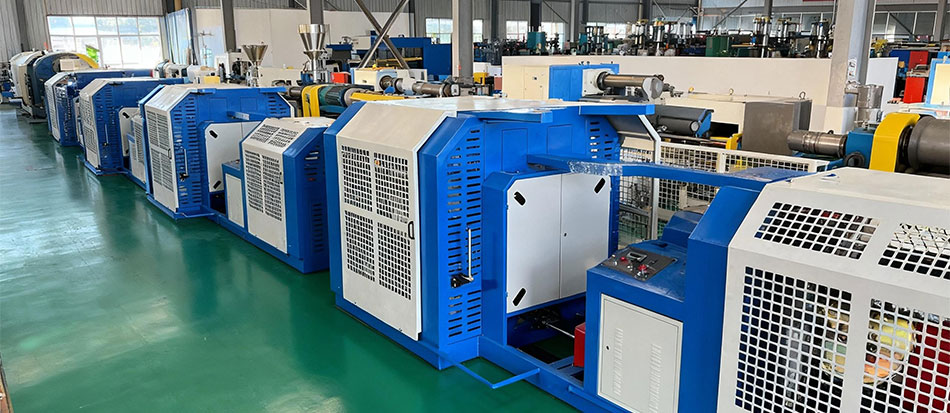
When you ask, "How efficient is a polyurethane foaming machine?" you're not just asking about speed. True efficiency for you is a multi-faceted measure of performance that directly impacts your bottom line. It starts with the machine's output rate—how many parts or panels it can produce per hour or shift. But that's only the beginning. You must also consider material efficiency: how precisely the machine meters and mixes the polyol and isocyanate components to minimize waste and ensure consistent foam density. A machine that's fast but wastes 5% of your raw materials is far less efficient than a slightly slower one with near-perfect material yield.
Furthermore, operational efficiency is key. This includes energy consumption during heating, mixing, and cleaning cycles, as well as the machine's reliability and ease of maintenance. Downtime is the enemy of efficiency. A highly efficient machine for your operation is one that maximizes quality output, minimizes input waste (materials and energy), and runs reliably with minimal interruption, giving you a predictable and cost-effective production process.
1.1. Output Speed and Cycle Time
When you evaluate a polyurethane foaming machine's efficiency, output speed and cycle time are often the first metrics you consider. They directly impact your production capacity and ability to meet deadlines. However, it's crucial to understand that these are not isolated figures; they are deeply interconnected with other factors like material formulation, mold design, and the machine's own control system.
Cycle time refers to the total time required to complete one full production cycle, from mold closing and chemical injection to foam curing and demolding. A highly efficient machine minimizes this time without compromising the quality of the foam. This is achieved through precise metering and mixing of the polyol and isocyanate components, ensuring a rapid and homogeneous reaction start, and often through integrated temperature control that optimizes the curing profile.
You must look beyond the manufacturer's claimed maximum speed. The practical output speed for your operation depends on your specific product. A machine might have a fast injection rate, but if the foam requires a long curing time in the mold, your overall cycle time remains high. Therefore, efficiency in this context means the machine's ability to support the shortest possible *total* cycle time for your application, enabling higher throughput and better utilization of your molds and labor.
Furthermore, consistency is key. An efficient machine delivers repeatable cycle times shot after shot. Variability in mixing, injection pressure, or temperature leads to inconsistent foam density, potential defects, and ultimately, longer average cycle times due to rework or scrap. Thus, a machine's precision and stability are fundamental components of its speed-related efficiency.
1.2. Material Utilization and Waste Reduction
Material utilization is the cornerstone of cost control in polyurethane foaming. An efficient machine precisely meters and mixes the polyol and isocyanate components in the exact stoichiometric ratio required by your formulation. Any deviation leads to either unreacted material (waste) or a compromised foam structure with poor physical properties. High-precision metering pumps and advanced flow control systems are what minimize this deviation, ensuring you get the maximum amount of usable product from every kilogram of raw material you purchase.
Waste reduction extends beyond chemical ratios. Consider the physical waste generated during machine start-up, shutdown, and purging cycles. Efficient machines are designed with fast-curing formulations in mind and feature optimized flushing systems that use minimal solvent or purging material. Some advanced systems even employ "self-cleaning" mixing heads that drastically reduce or eliminate the need for solvent purging between shots, translating directly into lower material costs and reduced hazardous waste disposal.
Furthermore, consistency in dispensing is key. An inefficient machine that produces foam with variable density or cell structure will lead to a higher rate of rejected parts. Every rejected part represents 100% material waste, plus the labor and energy wasted in producing it. Therefore, the machine's ability to deliver repeatable, shot-to-shot consistency is a direct measure of its material utilization efficiency. This reliability ensures your yield is high and your scrap pile is low.
Finally, you must evaluate the system holistically. A machine with excellent metering might be paired with an outdated or poorly designed mixing head that creates excessive turbulence or dead zones, leading to material degradation and waste. True efficiency comes from the seamless integration of all components—the material tanks, temperature control units, metering units, and mixing/dispensing head—working in concert to deliver perfect material every time with minimal loss.
1.3. Consistency and Quality of the Foam
When you assess a polyurethane foaming machine, the consistency and quality of the foam it produces are non-negotiable metrics of efficiency. An efficient machine doesn't just make foam; it makes predictable, uniform, and high-grade foam, batch after batch. Inconsistency directly translates to scrap, rework, and product failures, eroding any gains from high output speed.
This consistency is governed by the machine's precision in metering and mixing the polyol and isocyanate components. The most efficient machines feature advanced, servo-driven metering units that maintain exact ratios regardless of flow rate or pressure fluctuations. Even a minor deviation can alter the foam's density, cell structure, and curing properties, compromising the final product's insulation value, comfort, or structural integrity.
Furthermore, the mixing head technology is critical. A high-efficiency self-cleaning or high-pressure impingement mixing head ensures a homogenous blend of chemicals and catalysts every single time. This eliminates streaks, soft spots, or density variations within the same foam block or molded part. For you, this means every product leaving your line meets the same stringent quality standards, reducing customer returns and enhancing your brand reputation.
Ultimately, a machine's efficiency in delivering consistent quality minimizes your total cost of ownership. It reduces raw material waste from off-spec batches, lowers labor costs for quality inspection and correction, and ensures your production process is reliable and scalable. Therefore, when evaluating efficiency, you must look at the machine's capability to be a repeatable, precision instrument, not just a fast dispenser.
2. Key Factors That Drive Machine Efficiency
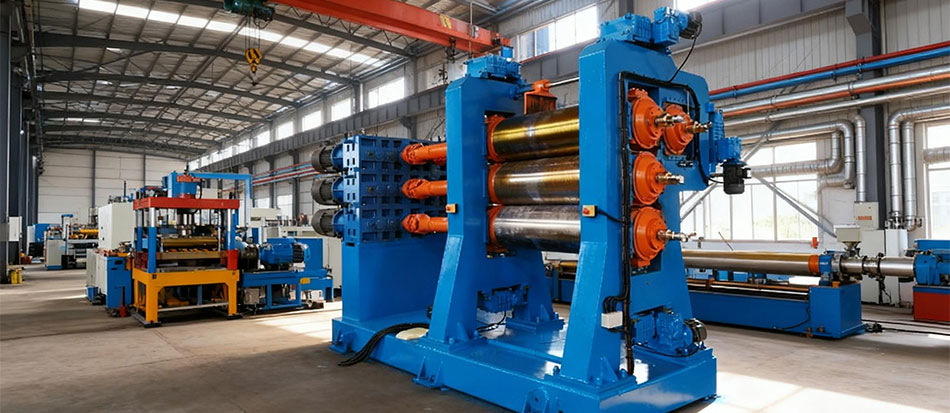
To truly understand how efficient a polyurethane foaming machine is for your operation, you need to look at several interconnected factors. First, consider the mixing and dispensing precision. A high-efficiency machine ensures a perfect, consistent mix of the polyol and isocyanate components. Any deviation here leads to wasted material and poor-quality foam, directly hitting your bottom line.
Next, evaluate the output rate and cycle time. How many parts or panels can the machine produce per hour? A faster cycle time increases throughput, but true efficiency means this speed doesn't compromise the foam's curing quality or density. You need a machine that maintains high speed with unwavering consistency.
Another critical factor is material utilization and waste reduction. Efficient machines have precise shot control and minimal material retention in the mixing head. This means you use almost every gram of raw material you pay for, significantly reducing waste and material costs over time.
Finally, don't overlook energy consumption and operational reliability. An efficient machine is designed to use energy judiciously during heating, pumping, and cleaning cycles. More importantly, its robust design and easy maintenance minimize unplanned downtime, ensuring your production line runs smoothly and predictably, which is a major component of long-term efficiency.
2.1. Precision Metering and Mixing Systems
At the heart of a polyurethane foaming machine's efficiency lies its metering and mixing system. This is where the two liquid components—polyol and isocyanate—are precisely measured and combined. If this step is inaccurate or inconsistent, everything downstream suffers. You'll face problems like poor foam structure, wasted material, and defective products. A high-efficiency machine ensures a perfect chemical reaction every time by delivering exact ratios with minimal fluctuation.
Precision in this context means volumetric or mass flow accuracy, often within 1% or better. Modern machines use servo-driven piston pumps or gear pumps paired with advanced flow meters and temperature controls. This level of control allows you to maintain the ideal mix ratio even when adjusting output rates. For you, this translates directly to material savings, as you use exactly the amount of raw chemicals needed without over-pouring, and to superior, uniform product quality batch after batch.
The mixing head is equally critical. It must create a homogeneous blend of the components almost instantaneously. High-shear, self-cleaning mixing heads are common in efficient systems. They ensure thorough mixing with minimal material retention, which reduces waste during color changes or production pauses. This clean operation also minimizes downtime for maintenance, keeping your production line running longer and more predictably.
Ultimately, the precision of the metering and mixing system dictates the fundamental chemical efficiency of the foaming process. It's the first and most important link in the chain. Without it, you cannot achieve consistent density, proper curing, or optimal physical properties in your foam products. Investing in a machine with a superior system here is investing in the foundational efficiency of your entire operation.
2.2. Advanced Control Systems and Automation
At the heart of a modern, efficient polyurethane foaming machine lies its control system. Think of it as the machine's brain and nervous system. A basic machine might have manual knobs and gauges, but a truly efficient one features a programmable logic controller (PLC) with a touchscreen human-machine interface (HMI). This allows you to input precise recipes for different foam formulations with exact ratios of polyol and isocyanate.
Automation is the key driver of repeatability and waste reduction. Once you set a perfect formula, the machine's automated dosing system precisely meters and mixes the chemical components for every single shot. This eliminates the human error and inconsistency common in manual mixing, ensuring every batch of foam has identical density, cell structure, and physical properties. You get a consistently high-quality product, batch after batch.
Furthermore, advanced systems offer closed-loop control for critical parameters like temperature and pressure. Sensors constantly monitor these variables and the PLC makes micro-adjustments in real-time to maintain the ideal conditions for the chemical reaction. This precise environmental control is crucial for optimizing the foam's cure time and final quality, directly impacting your production cycle speed and minimizing scrap due to off-spec products.
Integration capabilities also boost efficiency. Top-tier machines can be integrated into a broader Manufacturing Execution System (MES). This means production data—cycle times, material consumption, error logs—is automatically collected. You can analyze this data to identify bottlenecks, predict maintenance needs, and further optimize your overall production process, moving from simple automation to data-driven smart manufacturing.
2.3. Robust Design and Component Quality
When you evaluate a polyurethane foaming machine, the robustness of its design and the quality of its components are not just about durability; they are the foundation of consistent, long-term efficiency. A machine built with premium materials and precision engineering minimizes downtime caused by part failures, directly protecting your production schedule and profitability.
You should pay close attention to the core components: the mixing head, metering units, and the control system. A high-precision, self-cleaning mixing head ensures a perfect, homogeneous mix every cycle, eliminating material waste from poor reactions. Durable pumps and valves in the metering system maintain accurate 1:1 (or other required) ratios over thousands of cycles, guaranteeing your foam's physical properties—like density and strength—remain consistent batch after batch.
Furthermore, a robust frame and high-quality hydraulic or electric drive systems reduce vibration and wear. This stability translates to more precise shot control and repeatability. For you, this means less product variation, fewer rejects, and a higher overall yield from your raw materials, which is a key measure of true operational efficiency.
Ultimately, investing in a machine with superior design and components might have a higher initial cost, but it pays off through reduced maintenance costs, lower spare part consumption, and uninterrupted production. It ensures that the machine's theoretical efficiency, as stated in its specifications, is actually delivered on your factory floor for years to come.
3. Measuring the Impact on Your Operation
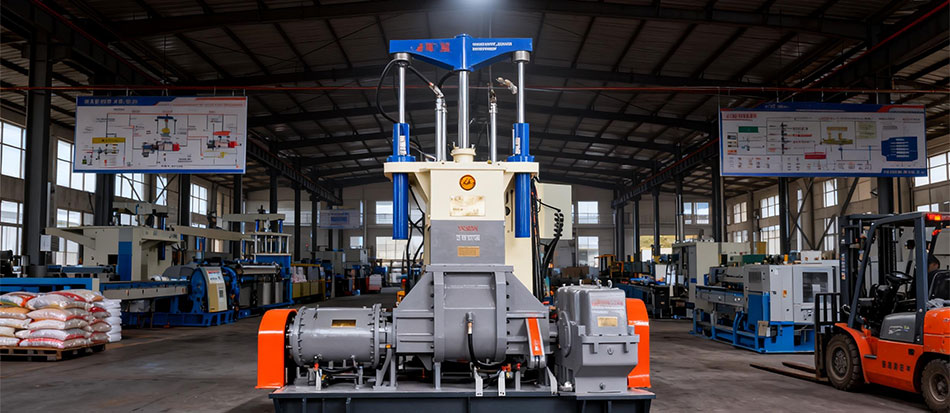
Measuring the impact of a polyurethane foaming machine on your operation goes beyond simple speed. You must evaluate how it integrates into your workflow and affects your bottom line. Consider the machine's cycle time and how it aligns with your production targets. A faster machine is useless if it causes bottlenecks elsewhere or requires excessive manual intervention. You need to assess the consistency of the foam output; inconsistent density or cell structure leads to product rejects, directly hurting your efficiency by wasting raw materials and labor.
Furthermore, look at the operational footprint. How much floor space does it require? How skilled must your operators be? A highly efficient machine should be relatively easy to set up, operate, and maintain without needing specialized, costly technicians. Downtime for cleaning or adjustments is a hidden inefficiency. You should calculate the total cost per unit produced, factoring in material yield, energy consumption, and maintenance costs. An efficient machine maximizes material usage with minimal overspray or waste, directly improving your profit margins.
Finally, consider the long-term impact. A reliable machine with high uptime ensures steady production flow, allowing you to meet deadlines and scale your business predictably. Its efficiency is proven not just in a single batch but over thousands of cycles, delivering consistent quality and reducing your total cost of ownership. By measuring these operational impacts, you move from theoretical specs to practical, financial reality.
3.1. Cost Savings on Raw Materials
When you operate a polyurethane foaming machine, one of the most direct and significant efficiency gains comes from precise material metering and mixing. An efficient machine minimizes raw material waste by ensuring a consistent and accurate ratio of polyol and isocyanate. This precision directly translates to cost savings, as you use exactly the amount of material required for each part, reducing over-pouring and scrap.
Beyond simple ratio control, advanced machines feature closed-loop systems that recirculate material, preventing settling and degradation in the lines. This means you aren't forced to purge and waste material at the start of a production run or after idle periods. The reduction in start-up waste alone can lead to substantial annual savings, especially in operations with frequent batch changes or shift patterns.
Furthermore, the quality of the foam produced has a direct impact on material costs. An inefficient machine might produce foam with inconsistent cell structure, leading to parts that are too dense in some areas and too weak in others. These defective parts become waste, meaning all the raw materials that went into them are lost. A highly efficient machine produces uniform, high-quality foam on the first attempt, maximizing your yield from every kilogram of raw material purchased.
3.2. Energy Consumption and Operational Costs
When you analyze the efficiency of a polyurethane foaming machine, energy consumption is a direct and significant operational cost. Modern high-efficiency machines are designed with advanced hydraulic systems, precise temperature control units, and optimized mixing heads that minimize idle power draw. You should look for machines with variable-speed drives and energy recovery systems, as they can substantially reduce electricity usage during non-peak mixing cycles compared to older, constantly running models.
Operational costs extend beyond the electricity bill. Consider the machine's material utilization rate. An efficient machine ensures precise metering and mixing, leading to minimal material waste (overspray, incorrect ratios). This precision directly translates to lower raw material costs per finished part. Furthermore, a reliable machine with low downtime reduces labor costs associated with troubleshooting, cleanup of failed pours, and production delays, making your overall operation more cost-effective.
Maintenance is another critical cost factor. A well-designed, efficient foaming machine often features robust components, easy access for service, and intelligent diagnostic systems. This design philosophy leads to fewer breakdowns, lower spare parts consumption, and less frequent, less intensive maintenance interventions. Your total cost of ownership (TCO) over years of operation is therefore lower, even if the initial investment in a high-efficiency model is higher.
Finally, you must evaluate efficiency holistically. A machine that consumes slightly more energy but produces superior, consistent foam quality with zero defects at a higher speed might be more "efficient" for your bottom line than a low-energy machine that causes product rejects. The true measure is the cost per perfectly manufactured part, which synthesizes energy, material, labor, and capital costs into a single, telling metric of operational efficiency.
3.3. Labor Efficiency and Ease of Use
Labor efficiency is a direct measure of how much human effort is required to operate the machine and produce a unit of output. A highly efficient polyurethane foaming machine is designed to minimize manual intervention. You should look for features like automated mixing and dispensing, programmable controls for shot size and cycle time, and integrated cleaning systems. These features reduce the operator's role to primarily loading materials, initiating the cycle, and performing quality checks, allowing one person to manage multiple machines or tasks.
Ease of use is intrinsically linked to labor efficiency. A machine with an intuitive control interface, clear error diagnostics, and straightforward maintenance procedures drastically reduces training time and operator error. For you, this means your team can become proficient quickly, leading to consistent output from day one. Complex, poorly designed machines can lead to costly mistakes in mixing ratios or cure times, directly impacting product quality and material waste.
The physical design also contributes to ease of use. Consider factors like accessibility for routine maintenance, the ease of changing mix heads or cleaning the system, and the overall ergonomics. A machine that is difficult to service will lead to longer downtime and require more skilled (and expensive) labor for basic tasks. Your goal should be a machine that your existing workforce can operate and maintain with confidence after standard training.
Ultimately, the labor efficiency of your foaming machine translates into lower operational costs and greater scalability. By reducing the labor hours per unit produced, you improve your margin. Furthermore, an easy-to-use system with low manual dependency makes it simpler to scale up production or run additional shifts without a proportional increase in highly specialized labor, giving your operation significant flexibility and cost control.
4. Comparing Different Types of Machines
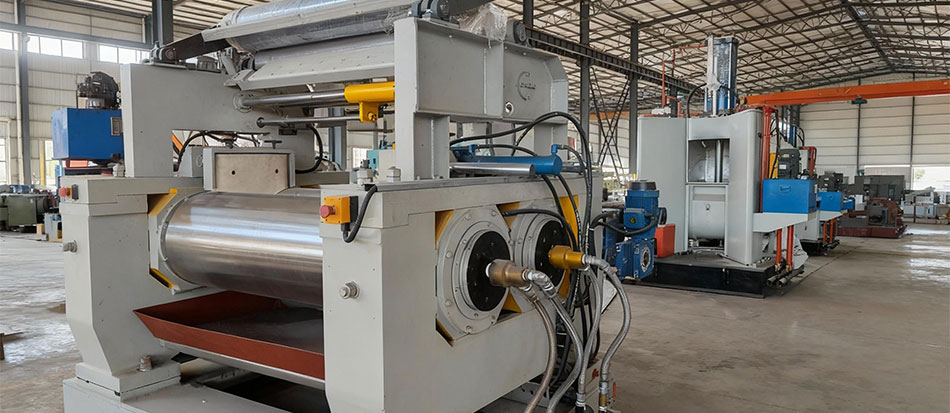
When you compare different types of polyurethane foaming machines, you'll find that efficiency varies significantly based on the technology and application. High-pressure machines, for instance, offer superior mixing precision, leading to more consistent cell structure and better physical properties in the final foam. This means less material waste and higher quality output for you, making them highly efficient for demanding applications. Conversely, low-pressure machines might have a lower initial cost and are simpler to operate, but their mixing efficiency can be lower, potentially resulting in more waste and variable product quality, which impacts your overall operational efficiency.
You should also consider the production method: continuous pour machines are extremely efficient for long, uninterrupted runs, maximizing output speed and material usage. In contrast, batch-type machines offer more flexibility for smaller, customized orders but may have more downtime between cycles. Your choice directly affects how efficiently you can meet your production schedule and manage material costs. The key is to match the machine type to your specific volume, product mix, and quality requirements to achieve optimal efficiency.
4.1. High-Pressure vs. Low-Pressure Machines
When evaluating the efficiency of a polyurethane foaming machine, the choice between high-pressure and low-pressure systems is fundamental. This decision directly impacts your output speed, material mixing quality, and ultimately, the consistency and properties of your final foam product. You need to understand which technology aligns with your production volume and quality requirements.
High-pressure machines operate by impingement mixing. They force the polyol and isocyanate components at very high pressures (typically 100-200 bar) through a small mixing chamber, where they collide and mix with intense energy. This results in an exceptionally homogeneous mix, leading to superior foam cell structure, consistent density, and excellent physical properties. For you, this means higher quality products, less material waste from poor mixing, and the ability to process a wider range of material formulations, including those with high viscosities or filler content.
In contrast, low-pressure machines use a mechanical stirring method within the mixing head. The components are metered at lower pressures and mixed by a rotating stirrer. While these machines have a lower initial cost and are simpler to maintain, their mixing efficiency is lower. You might encounter issues with mix homogeneity, especially with challenging material systems, which can lead to variations in foam density, weaker physical properties, and potentially more scrap. Their efficiency shines in lower-volume production or for less demanding applications where ultimate foam performance is not critical.
From an efficiency standpoint, high-pressure machines often lead in production speed and material yield. Their rapid, clean mixing and self-cleaning heads (in most models) minimize downtime between shots, maximizing your machine's uptime. The precise ratio control and superior mix quality ensure you use exactly the amount of material needed for a perfect part, reducing waste. While they consume more energy per cycle and have a higher capital investment, their overall operational efficiency and output quality frequently deliver a better return on investment for medium to high-volume, quality-focused production.
Therefore, your choice hinges on your definition of efficiency. If your priority is minimizing upfront cost for prototyping or low-volume runs, a low-pressure machine may seem efficient. However, if your goal is maximizing throughput, ensuring top-tier product quality, and optimizing long-term material usage and reliability, a high-pressure polyurethane foaming machine is typically the far more efficient solution for sustained industrial manufacturing.
4.2. Continuous vs. Batch Production Systems
When you're evaluating the efficiency of a polyurethane foaming machine, one of the most fundamental choices you face is between continuous and batch production systems. This decision directly impacts your workflow, output capacity, and overall operational efficiency. Understanding the core differences is essential for selecting the machine that aligns with your production goals.
A continuous foaming machine is designed for high-volume, uninterrupted production. It operates like an assembly line, where raw materials are continuously metered, mixed, and dispensed onto a moving conveyor. This system excels in efficiency for long runs of standardized products, such as panels, slabs, or continuous blocks. Its primary efficiency advantages are maximized output speed, consistent product quality due to steady-state operation, and reduced labor per unit. However, it requires a significant initial investment and is less flexible for frequent product changeovers.
In contrast, a batch foaming machine processes a specific, measured quantity of material at one time. You load the components, the machine mixes and dispenses the foam into a mold or cavity, and then the cycle repeats. This system offers superior flexibility, making it highly efficient for producing a wide variety of parts in smaller quantities, custom items, or prototypes. Changeovers between different formulations or product shapes are typically faster and simpler. The efficiency here is measured in versatility and reduced material waste for short runs, though the overall output speed is lower than a continuous system.
Your choice ultimately hinges on your production profile. If your business demands mass production of a limited range of items, a continuous system will likely deliver higher efficiency in terms of output volume and cost per unit. If you require agility to handle diverse, customized, or lower-volume orders, a batch system's efficiency lies in its adaptability and lower setup costs. Evaluating your average batch size, product mix complexity, and required changeover frequency is key to determining which system offers the optimal efficiency for your operation.
4.3. Customization for Specific Applications
When you consider a polyurethane foaming machine's efficiency, one of the most powerful levers is its ability to be customized for your specific application. A standard, off-the-shelf machine might work, but a tailored solution maximizes efficiency by aligning every parameter with your exact product requirements. This customization directly impacts your throughput, material yield, and final product consistency.
For instance, if you are producing rigid insulation panels, your machine needs precise temperature control and a high-pressure mixing head to ensure a uniform, closed-cell structure with optimal R-value. The machine's output rate and conveyor system would be calibrated for the panel's specific dimensions and curing time. This eliminates waste from off-spec material and reduces energy spent reworking defective products.
Conversely, if your application is flexible foam for mattresses or automotive seating, the efficiency focus shifts. Here, customization involves precise control over the isocyanate and polyol ratio, pour patterns, and demold times. A machine tailored for this might feature a traversing pour head or a tilting mold carrier to ensure perfect filling and minimal air pockets, leading to higher-quality parts and less scrap.
Beyond the chemical mix, mechanical customization is key. This includes the size and design of the mixing head, the pressure and flow rate of the pumps, and the integration with your existing mold handling or conveyor systems. A machine that fits seamlessly into your production line minimizes downtime for material transfer and handling, boosting your overall operational efficiency.
Therefore, when evaluating a machine's efficiency, you must assess not just its base specifications but the manufacturer's capability and willingness to engineer a solution for your unique process. The most efficient machine for you is the one that is fine-tuned to produce your specific product with the least amount of energy, material waste, and labor intervention.
So, how efficient is a polyurethane foaming machine? As we've explored, the answer is multifaceted. True efficiency is measured by a powerful combination of high output, precise material use, low energy consumption, and unwavering reliability. It's about getting consistent, high-quality results with minimal waste and downtime.
When you choose a machine that excels in these areas, you're not just buying equipment; you're investing in the productivity and profitability of your entire operation. The right machine pays for itself through faster production cycles, reduced material costs, and fewer operational headaches.
We hope this guide has empowered you to ask the right questions and make an informed decision. Remember, the most efficient machine is the one that perfectly aligns with your specific production goals and helps you achieve them consistently, day after day.