
Where to Buy Spare Parts and Wear Parts for Foaming Machines: Your Complete Guide
Where to buy spare parts and wear parts for foaming machines is a critical question for any operation relying on this equipment. When your machine is down, every minute counts, and finding the right supplier quickly can make all the difference. This guide is designed to help you navigate the market efficiently, ensuring you get high-quality parts that restore your machine's performance without unnecessary delays.
You might be facing unexpected downtime, or perhaps you're planning proactive maintenance to avoid future issues. Either way, knowing your sourcing options is key to minimizing costs and maximizing uptime. The right parts supplier is more than just a vendor; they are a partner in your production continuity.
In the following sections, we'll break down the best places to look, what to consider when choosing a supplier, and how to ensure you're making a smart purchase for the long-term health of your foaming equipment. Let's get started on finding the perfect solution for your needs.
1. Understanding Your Foaming Machine Parts Needs
1.1. Identifying Common Wear Parts (Nozzles, Seals, Mixing Heads)
1.2. Recognizing Critical Spare Parts (Pumps, Valves, Heating Elements)
1.3. The Importance of OEM vs. Compatible Parts
2. Top Channels for Sourcing Foaming Machine Parts
2.1. Directly from the Original Equipment Manufacturer (OEM)
2.2. Specialized Industrial Parts Distributors and Online Marketplaces
2.3. Local Machine Shops and Custom Fabricators
3. Key Factors to Evaluate When Choosing a Supplier
3.1. Part Quality, Material Certification, and Warranty
3.2. Availability, Lead Times, and Shipping Logistics
3.3. Technical Support and After-Sales Service
4. Making the Smart Purchase Decision
4.1. Comparing Total Cost of Ownership, Not Just Price
4.2. Ordering Samples and Testing for Compatibility
4.3. Establishing a Long-Term Partnership with Your Supplier
1. Understanding Your Foaming Machine Parts Needs
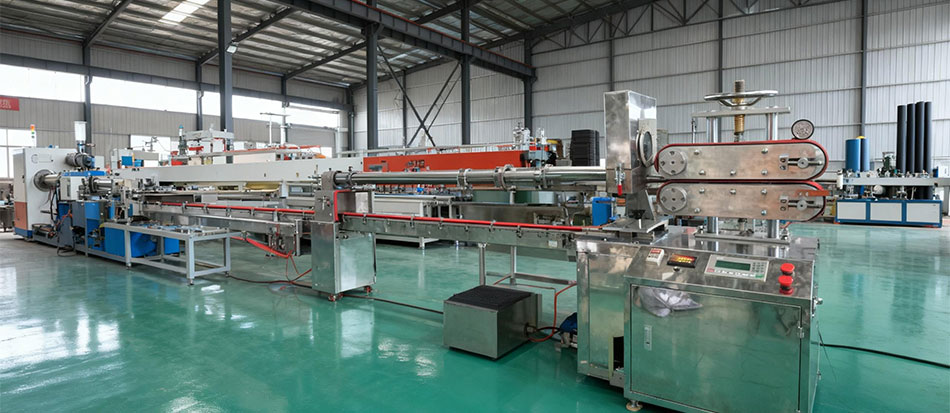
Before you start searching for where to buy spare parts, you must first clearly understand your specific needs. Your foaming machine is a complex system, and not all parts are created equal. Begin by identifying the exact component that requires replacement. Is it a worn nozzle, a damaged mixing head seal, a faulty solenoid valve, or a critical wear part like a piston or cylinder liner? Having the correct part number from your machine's manual or the old component itself is the most crucial first step. This prevents costly mistakes and ensures compatibility. Also, assess the urgency: are you in a breakdown situation needing immediate shipment, or are you planning scheduled maintenance with more lead time? Understanding these details will dramatically narrow down your supplier options and set the stage for a successful purchase.
1.1. Identifying Common Wear Parts (Nozzles, Seals, Mixing Heads)
To effectively source parts, you must first understand which components are most prone to wear. In foaming machines, the parts that experience the highest stress, friction, and chemical exposure are the nozzles, seals, and mixing heads. These are your primary wear parts and the most frequent candidates for replacement.
Nozzles are critical for dispensing the foam mixture with precision. Over time, the orifice can erode or become clogged, leading to inconsistent bead size, poor pattern, and wasted material. You should regularly inspect them for signs of wear or buildup.
Seals, including O-rings, gaskets, and piston seals, are the guardians against leaks and pressure loss. They degrade due to the chemical nature of the polyol and isocyanate components, as well as cyclic pressure and temperature. A failing seal can cause cross-contamination of chemicals, pressure drops, and ultimately, a shutdown.
The mixing head is the heart of the chemical reaction. Its internal chambers, valves, and cleaning pistons are subject to extreme abrasive and adhesive wear from the reacting chemicals. Wear here directly impacts mix quality, leading to poor foam cell structure and physical properties. Identifying wear in these three key areas is the first step in proactive maintenance planning.
1.2. Recognizing Critical Spare Parts (Pumps, Valves, Heating Elements)
When you need to source parts, focusing on the most critical components first is essential for a swift and effective repair. Pumps, valves, and heating elements are the heart of your foaming machine's operation, and their failure typically causes immediate and complete production stoppage.
Pumps are responsible for metering and delivering the chemical components at precise ratios and pressures. Wear in pump seals, pistons, or gears leads to inaccurate dosing, pressure drops, and ultimately, poor foam quality. Identifying the specific pump model and its wear patterns is your first step.
Valves control the flow, mixing, and direction of materials. Worn or leaking valves can cause cross-contamination of components, inaccurate shot sizes, or even safety hazards. Pay close attention to mixing heads, solenoid valves, and check valves, as these are high-wear points in the cycle.
Heating elements maintain the optimal temperature for the chemical components and the machine blocks. A faulty heating element or temperature sensor can lead to material curing issues—either too cold, causing incomplete reactions, or too hot, leading to premature curing and clogging. Consistent temperature is non-negotiable for product consistency.
1.3. The Importance of OEM vs. Compatible Parts
When you need to replace a part, you face a fundamental choice: OEM (Original Equipment Manufacturer) parts or compatible (also called generic, aftermarket, or alternative) parts. Understanding the difference is crucial for your machine's performance, longevity, and your total cost of ownership. This decision directly impacts your production reliability.
OEM parts are manufactured by the original maker of your foaming machine or by a supplier they have officially licensed. These parts are identical to the ones installed when your machine was new. Choosing OEM guarantees perfect fit, material specification, and performance. It's the safest route to maintain the machine's original design integrity and often comes with a manufacturer's warranty.
Compatible parts are produced by third-party companies. They are designed to fit and function like the OEM part, often at a lower initial purchase price. High-quality compatible parts from reputable suppliers can offer excellent value. However, the market varies widely in quality. Inferior compatible parts may use substandard materials or have slight dimensional variances, leading to premature wear, reduced efficiency, or even damage to other machine components.
Your decision should be strategic. For critical wear parts like nozzles, mixing heads, seals, and precision valves, where exact tolerances and material properties are vital for foam quality and machine safety, OEM parts are frequently the recommended choice. For less critical components like standard fittings, hoses, or guards, a well-vetted compatible part can be a cost-effective solution without compromising performance.
Always consult with a knowledgeable supplier. A good supplier will understand your machine model and application. They can advise you on where you can safely use a high-quality compatible part to save money and where investing in OEM is non-negotiable for protecting your asset and ensuring consistent product output.
2. Top Channels for Sourcing Foaming Machine Parts
When you need to source spare and wear parts for your foaming machines, you have several primary channels to explore. The most direct route is often the Original Equipment Manufacturer (OEM). They guarantee exact specifications and compatibility, which is crucial for complex components. However, this can be the most expensive and sometimes slower option, especially for older machine models.
Alternatively, specialized industrial parts distributors and independent aftermarket manufacturers offer a compelling balance of availability, price, and speed. Many reputable suppliers focus specifically on the plastics and foaming industry, stocking a wide range of common wear items like seals, nozzles, mixer heads, and heating elements. They can often cross-reference OEM part numbers to provide a compatible alternative.
For urgent needs or hard-to-find components, online industrial marketplaces and B2B platforms have become invaluable. These sites allow you to quickly search for specific parts, compare suppliers, and read reviews from other buyers. This channel is excellent for broadening your search and finding competitive pricing, but it requires due diligence to verify supplier credibility and part quality.
2.1. Directly from the Original Equipment Manufacturer (OEM)
Purchasing spare parts directly from the Original Equipment Manufacturer (OEM) is often the most straightforward and reliable option. You are guaranteed that the parts are genuine, designed specifically for your machine model, and meet the original quality and performance specifications. This compatibility is crucial for maintaining the integrity and efficiency of your foaming process.
When you contact the OEM, you gain access to their technical expertise and detailed parts catalogs. Their support teams can help you identify the exact part number you need, which is especially valuable for complex assemblies or when dealing with older machine models. This direct line reduces the risk of ordering incorrect components.
However, this channel can come with higher costs and potentially longer lead times, especially if parts need to be shipped from overseas. It's also worth noting that for some older machines, the OEM may have discontinued certain parts, which could force you to explore alternative sources.
To make the most of this channel, establish a relationship with your OEM's parts department. Inquire about volume discounts for commonly worn items and ask for lead time estimates to help you plan your maintenance schedule proactively, thus avoiding costly emergency downtime.
2.2. Specialized Industrial Parts Distributors and Online Marketplaces
Specialized industrial parts distributors are a cornerstone for sourcing high-quality components. These companies focus on specific industries, like polyurethane foaming, and build deep inventories of genuine and OEM-compatible parts. Their technical teams understand the nuances of different machine models and can provide expert guidance on part selection, compatibility, and installation. When you purchase from a reputable distributor, you're not just buying a part; you're accessing their application knowledge and support, which is invaluable for complex repairs and ensuring the longevity of your machine.
Online industrial marketplaces have revolutionized parts procurement by aggregating suppliers from around the globe. Platforms like Thomasnet, Alibaba, or industry-specific portals allow you to search, compare specifications, and evaluate multiple vendors quickly. The key advantage is the breadth of choice and often competitive pricing. However, you must exercise due diligence. Check supplier ratings, read reviews, verify certifications, and request material documentation to ensure the parts meet the required standards for your foaming process.
The synergy between distributors and online platforms is also powerful. Many established distributors now have robust e-commerce sites, combining the convenience of online shopping with the reliability of a specialized supplier. You can browse catalogs, check real-time inventory, and place orders 24/7, while still having access to their technical support. This hybrid model offers the best of both worlds: efficiency and expertise.
When using these channels, always prioritize suppliers who provide detailed technical data sheets, material certifications (like for seals and gaskets), and clear warranty terms. For critical wear parts like mixer heads, nozzles, or piston seals, the quality of the material and precision of the manufacturing directly impact your foam quality and machine efficiency. A trustworthy supplier will be transparent about these details and willing to answer your technical questions.
2.3. Local Machine Shops and Custom Fabricators
When you need a part that is obsolete, heavily worn beyond standard specifications, or requires a custom modification, local machine shops and custom fabricators become an invaluable resource. Unlike standard suppliers, these specialists work directly from your drawings, a sample part, or even just a detailed description to create a one-off component tailored to your exact needs. This is particularly useful for wear parts like custom-cut seals, modified nozzles, or specialized platens that have been altered over the machine's lifetime.
The primary advantage of using a local fabricator is speed and flexibility for urgent, non-standard repairs. You can physically deliver the old part, discuss the requirements face-to-face, and often receive a turnaround time measured in days rather than the weeks it might take to source from an overseas OEM. This direct communication minimizes errors and ensures the new part will fit perfectly, even if the original design has been lost or changed.
However, this channel requires more effort on your part. You must provide precise specifications, including material grade, hardness, tolerances, and any surface finishes required. The cost per unit will be higher than mass-produced parts, but for critical downtime situations or unique applications, the value is in the customized solution and rapid return to production. Always vet the shop's experience with similar materials (e.g., hardened steels, specialized polymers) used in foaming equipment.
To make this option work for you, build relationships with one or two reputable local shops before an emergency strikes. Provide them with documentation for your key machines. When a crisis hits, you'll have a trusted partner ready to manufacture the solution you need, ensuring your foaming line is back up and running with minimal disruption.
3. Key Factors to Evaluate When Choosing a Supplier
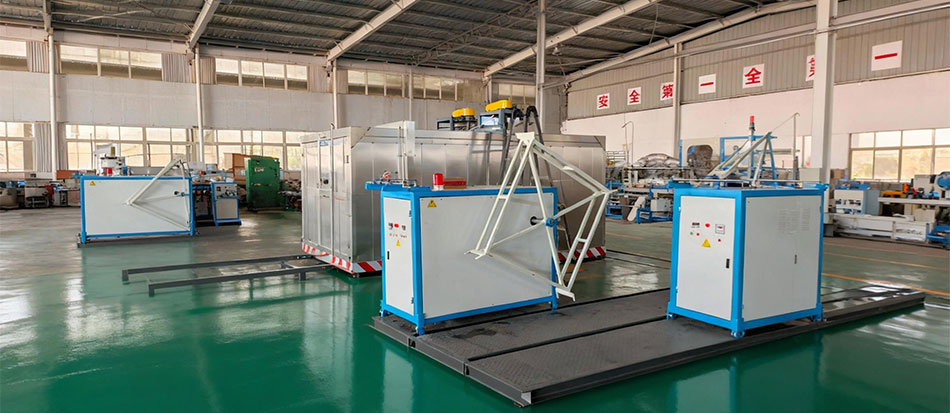
Now that you understand the urgency and importance of sourcing the right parts, let's dive into the key factors you should evaluate when choosing a supplier. Your choice directly impacts your machine's uptime, performance, and your total cost of ownership.
First, prioritize the supplier's technical expertise and product quality. You need parts that are engineered to the original specifications or better. Ask about their manufacturing standards, material certifications, and whether they offer a warranty. A reliable supplier should have in-depth knowledge of foaming machine models and be able to provide precise technical support.
Second, consider their inventory availability and logistics. A supplier with a robust inventory of common wear parts means faster delivery to you. Check their shipping options and typical lead times. For critical breakdowns, having a local or regional supplier with express shipping can be a lifesaver.
Finally, evaluate their customer service and long-term partnership potential. Are they responsive and easy to communicate with? Do they offer value-added services like maintenance advice or predictive replacement schedules? The right supplier acts as an extension of your team, helping you plan and avoid future downtime.
3.1. Part Quality, Material Certification, and Warranty
When you're evaluating a supplier for foaming machine parts, the quality of the part itself is the non-negotiable starting point. A substandard component can fail prematurely, leading to repeated downtime, potential damage to other machine sections, and significant production losses. You need parts manufactured to the original specifications or better, using materials that can withstand the specific chemical, thermal, and mechanical stresses of the foaming process.
Material certification is your tangible proof of quality. Reputable suppliers should provide documentation, such as a Material Test Certificate (MTC) or Certificate of Conformity (CoC). This paperwork verifies the chemical composition and mechanical properties of the material used, ensuring it matches the grade required for your application. Never accept a critical wear part without this traceability; it's your safeguard against counterfeit or inferior materials that could compromise your entire production batch.
Finally, a strong warranty policy is the supplier's commitment to their product's quality and your peace of mind. It signals confidence in their parts. Look for clear warranty terms that cover defects in materials and workmanship for a reasonable period. Understand what the warranty entails—does it cover only the part, or also the labor for replacement? A reliable warranty transforms a simple transaction into a risk-mitigated partnership, protecting your investment.
3.2. Availability, Lead Times, and Shipping Logistics
When a critical component fails, the speed at which you can get a replacement is paramount. Availability is the first checkpoint. A reliable supplier should have a substantial inventory of common wear parts like seals, nozzles, mixing heads, and heating elements. Ask about their stock levels for the specific parts you need. Do they keep them on the shelf, or is every order a 'build-to-order' scenario? The latter can lead to weeks of downtime.
Lead time is the promised duration from order placement to shipment. You need a clear, realistic lead time, not an optimistic guess. A professional supplier will provide transparent lead times based on current inventory and manufacturing schedules. For urgent needs, inquire about expedited options, but be prepared for the associated costs. The goal is to align the supplier's capabilities with your production schedule's tolerance for downtime.
Shipping logistics complete the picture. Consider the supplier's location relative to your facility. A local supplier might offer same-day pickup, while an international one involves complex logistics. Evaluate their shipping partners, methods (air, sea, ground), and reliability. Do they provide tracking information? Can they handle customs clearance efficiently if shipping across borders? Poor logistics can nullify the benefit of a short lead time if the part gets stuck in transit.
Finally, integrate these factors into your contingency planning. Establish relationships with suppliers who excel in these areas before a crisis hits. Having a go-to source with proven availability, dependable lead times, and robust shipping logistics is a strategic asset that protects your operational continuity and bottom line.
3.3. Technical Support and After-Sales Service
When you invest in spare parts, you're not just buying a component; you're buying the support system that comes with it. A supplier with robust technical support can help you correctly identify the part you need, troubleshoot installation issues, and provide guidance on optimal operation to extend the part's lifespan. This preemptive assistance can prevent costly mistakes and rework.
After-sales service is equally critical. Inquire about the supplier's warranty policy for the parts. A confident supplier will stand behind their product's quality. Furthermore, check their responsiveness for handling defective parts or addressing performance concerns post-purchase. A reliable partner will have a clear, efficient process for returns or replacements, minimizing your machine's downtime.
Evaluate if the supplier offers detailed technical documentation, such as installation guides, CAD drawings, or material specifications. This information is invaluable for your maintenance team. Also, consider their availability for urgent consultations. Can you reach a knowledgeable technician by phone or email when a production line is halted? This level of accessible support is a hallmark of a superior supplier.
Ultimately, the goal is to form a partnership, not just a transaction. A supplier who provides excellent technical support and after-sales service demonstrates a commitment to your operational success. They become an extension of your team, ensuring that each part you purchase delivers maximum value and contributes to the long-term reliability of your foaming machines.
4. Making the Smart Purchase Decision
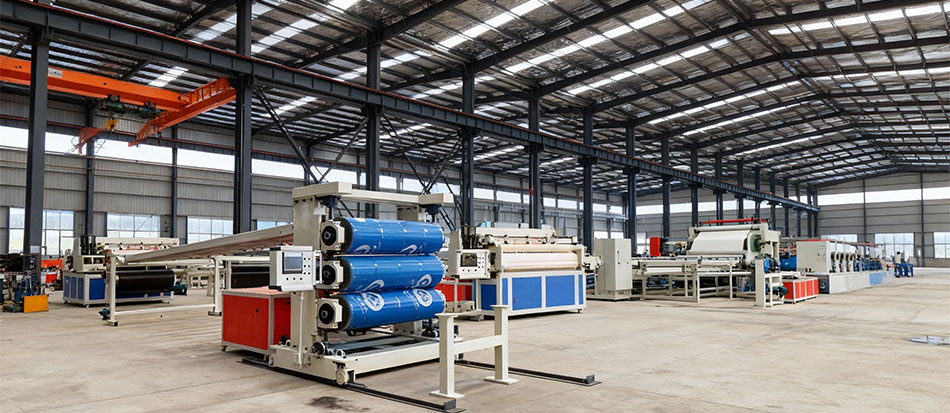
Once you've identified potential suppliers for your foaming machine parts, making the final decision requires careful evaluation. You need to look beyond just the price tag. Consider the supplier's reputation for quality and reliability. Are the parts genuine or high-quality equivalents? Will they provide the exact fit and performance your machine needs? You should also assess their technical support. A good supplier can offer crucial advice on installation and troubleshooting, saving you time and preventing further damage.
Furthermore, evaluate their logistics and inventory. Can they ship the parts you need quickly? Consistent availability is key for both emergency repairs and planned maintenance. Finally, consider the long-term partnership. A supplier that understands your equipment and offers fair pricing on a consistent basis is an invaluable asset for your operation's efficiency and cost control.
4.1. Comparing Total Cost of Ownership, Not Just Price
When you're sourcing parts, the initial purchase price is the most visible cost, but it's rarely the most important one. The true expense is the Total Cost of Ownership (TCO), which includes everything from the part's initial price to its installation, the downtime it causes, its operational lifespan, and its impact on your machine's efficiency and final product quality.
Consider a cheap, non-genuine seal. It might save you money upfront, but if it fails after 200 hours instead of the 2,000 hours a high-quality part lasts, you'll face repeated downtime, labor costs for replacement, and potential material waste from faulty production runs. The TCO of that cheap seal could be ten times higher than the premium option.
Your calculation should factor in logistical costs. Does the supplier have parts in stock locally, or will you wait weeks for international shipping? Can they provide certified documentation and technical support for installation? A supplier who offers these services adds value that reduces your overall operational risk and cost.
Ultimately, investing in parts with a lower TCO means greater long-term reliability, less unplanned downtime, and consistent product output. This strategic approach protects your production schedule and your bottom line far more effectively than simply chasing the lowest sticker price.
4.2. Ordering Samples and Testing for Compatibility
Before committing to a bulk order, you should always request physical samples of the critical spare and wear parts. This step is non-negotiable for ensuring the parts will fit your specific machine model and perform as expected. A reputable supplier will understand this need and should be willing to provide samples for key components like seals, nozzles, mixer blades, or filter elements.
When you receive the samples, conduct a thorough visual and dimensional inspection. Compare them side-by-side with your original parts or detailed technical drawings. Check for material grade, hardness, surface finish, and all critical tolerances. Even a minor deviation can lead to leaks, poor mixing, or accelerated wear.
The most crucial test is a live, controlled trial in your foaming machine. Install the sample part and run the machine under normal operating conditions for a defined period. Monitor for any changes in pressure, temperature stability, foam quality, or output consistency. This practical test reveals compatibility issues that a visual inspection might miss.
Document the entire testing process, including performance data and any observations. This documentation serves as valuable evidence for discussions with the supplier if adjustments are needed. It also creates a benchmark for future purchases, ensuring you consistently receive parts that meet your operational standards.
Remember, the goal of sampling is to de-risk your purchase. The small investment of time and the potential cost of a few sample parts is insignificant compared to the massive expense and disruption caused by installing an entire batch of incompatible components.
4.3. Establishing a Long-Term Partnership with Your Supplier
When you consistently purchase from the same reliable supplier, you move beyond transactional buying. This relationship becomes a strategic asset. Your supplier gains a deep understanding of your specific machines, your operational pressures, and your quality standards. This knowledge allows them to provide proactive support, such as alerting you to upcoming part lifecycles or suggesting preventative maintenance kits before a failure occurs.
A long-term partner prioritizes your production uptime. They are more likely to expedite shipping for critical parts, offer more favorable pricing based on your purchase history, and provide dedicated technical support. You save significant time not having to repeatedly vet new vendors or explain your machine's intricacies with every order. This efficiency directly translates to lower operational costs and reduced stress.
To cultivate this partnership, communicate openly about your needs and challenges. Share your maintenance schedules and production forecasts if possible. Provide feedback on part performance, both positive and negative. A good supplier values this information to improve their products and services. In return, expect them to keep you informed about product updates, new compatible parts, or industry trends that could benefit your operation.
Ultimately, viewing your supplier as a partner transforms the spare parts procurement process from a reactive cost center into a proactive component of your operational excellence. It builds a foundation of trust and mutual benefit, ensuring that when you need a part, you have a dependable expert ready to help you get back online swiftly and reliably.
Finding the answer to where to buy spare parts and wear parts for foaming machines is a fundamental step in responsible equipment management. By now, you should have a clearer roadmap for identifying reliable suppliers who can meet your specific technical and logistical requirements. Remember, the cheapest option isn't always the most cost-effective when considering machine longevity and productivity.
Investing time in building a relationship with a trustworthy supplier pays off immensely during critical breakdowns. They become an extension of your maintenance team, providing not just parts but valuable expertise. This proactive approach to sourcing will keep your production line running smoothly and predictably.
We hope this guide has empowered you to make confident decisions about your foaming machine parts. With the right supplier by your side, you can turn a potential crisis into a minor, manageable event and focus on what you do best—producing quality products.