
How to Choose the Right Polyurethane Foaming Machine Model: The Ultimate Guide
1. Understanding Polyurethane Foaming Machine Types
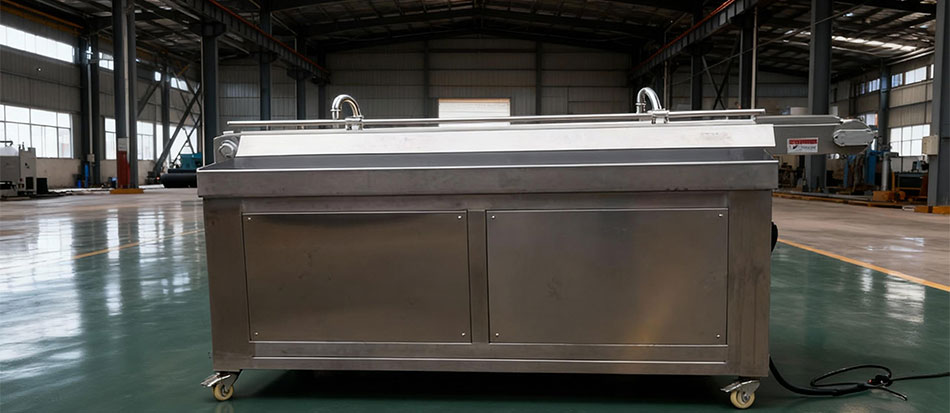
When you start exploring polyurethane foaming machines, you'll quickly realize that they come in various types, each designed for specific applications and production scales. Understanding these types is the first step in choosing the right model for your needs. Generally, you'll encounter high-pressure machines, which offer precise mixing and are ideal for high-volume production, and low-pressure machines, which are more cost-effective and suitable for smaller projects or occasional use. Additionally, there are continuous pour machines for large-scale insulation and discontinuous machines for batch processing. By familiarizing yourself with these categories, you can narrow down your options based on factors like output requirements, material viscosity, and operational complexity. This knowledge ensures you don't end up with a machine that's either overkill or insufficient for your tasks, saving you time and resources in the long run.
2. Key Factors for Model Selection
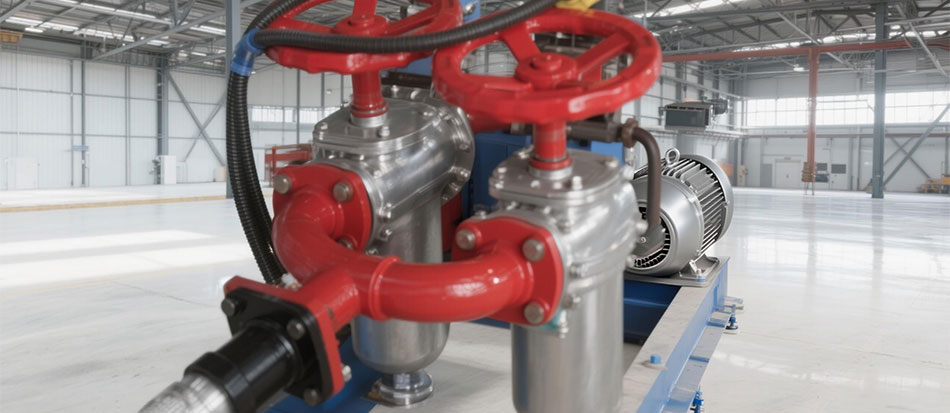
When selecting a polyurethane foaming machine model, you need to consider several key factors to ensure it aligns with your operational requirements. First, evaluate the machine's output capacity and mixing ratio accuracy, as these directly affect the quality and consistency of your foam products. You should also assess the material viscosity and the type of polyurethane system (e.g., rigid or flexible foam) you plan to use, as different models are optimized for specific formulations. Additionally, consider the machine's portability, ease of maintenance, and energy efficiency to minimize downtime and operational costs. Don't overlook safety features and compliance with industry standards, which are vital for protecting your workforce and ensuring regulatory adherence. By carefully analyzing these aspects, you can choose a model that enhances your productivity and meets your long-term business goals.
3. Step-by-Step Selection Process
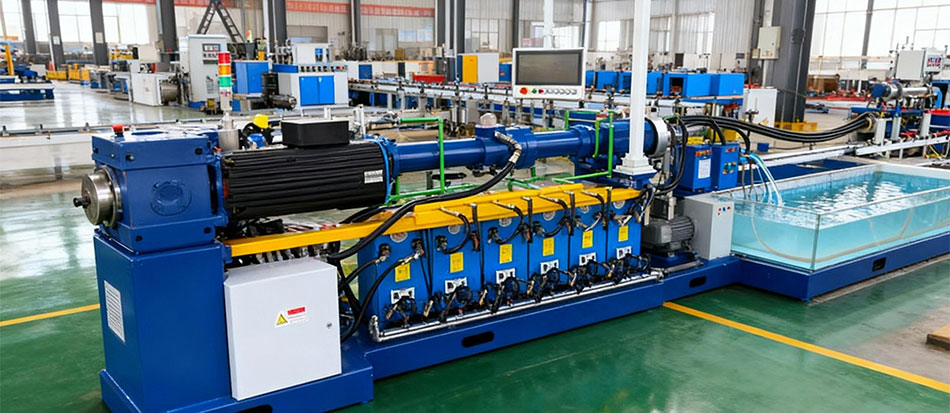
To begin the selection process, you first need to clearly define your project requirements. Consider factors such as the type of polyurethane foam you'll be producing (e.g., rigid, flexible, or spray foam), the required output volume, and the specific application environment. This initial step ensures that you narrow down your options to machines that are capable of meeting your operational demands.
Next, evaluate the technical specifications of potential models. Look at key parameters like mixing ratio accuracy, output pressure, and temperature control capabilities. You should also assess the machine's ease of use, maintenance requirements, and availability of spare parts. Comparing these features will help you identify models that offer reliability and efficiency for your specific use case.
Finally, consider the total cost of ownership, including initial purchase price, installation, training, and long-term maintenance costs. It's essential to balance your budget with the machine's performance and durability. By following this structured approach, you can confidently select a polyurethane foaming machine that aligns with your production goals and ensures optimal return on investment.
4. Common Mistakes to Avoid
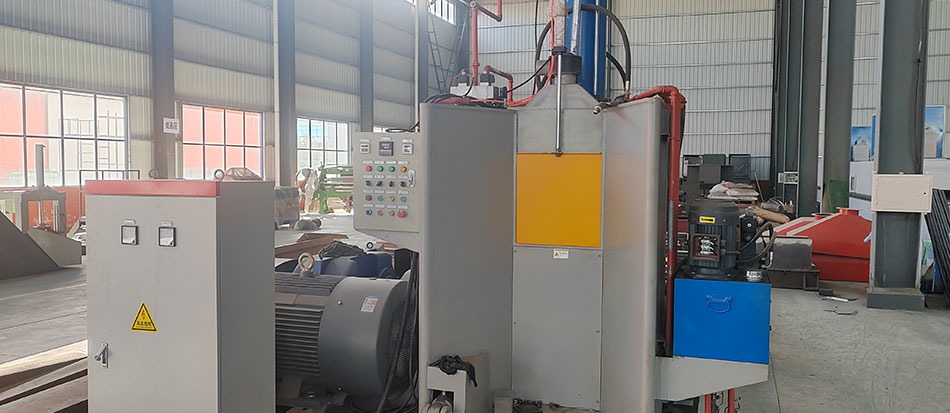
When choosing a polyurethane foaming machine, you might overlook critical factors that lead to inefficiencies or unexpected costs. One common mistake is ignoring the specific foam type and application requirements, which can result in poor output quality. Another error is focusing solely on the initial purchase price without considering long-term maintenance and energy consumption. You should also avoid selecting a machine that doesn't match your production volume, as an undersized model can cause delays while an oversized one wastes resources. Additionally, failing to verify the manufacturer's reputation and after-sales support might leave you without reliable technical assistance. By being aware of these pitfalls, you can make a smarter choice that aligns with your operational goals.
5. Maintenance and Cost Considerations
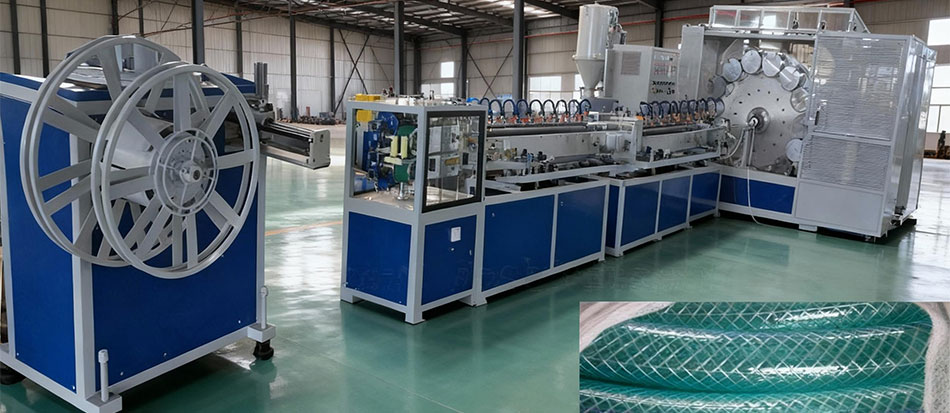
When selecting a polyurethane foaming machine, you must carefully evaluate maintenance requirements and overall costs to ensure long-term reliability and budget efficiency. Regular maintenance is essential to prevent unexpected downtime and extend the machine's lifespan, so consider models with accessible components and clear service guidelines. Additionally, factor in the total cost of ownership, including initial purchase price, energy consumption, spare parts availability, and potential repair expenses. By prioritizing machines with low maintenance needs and transparent cost structures, you can optimize your investment and avoid hidden financial burdens over time.
In conclusion, selecting the ideal polyurethane foaming machine model requires careful consideration of types, key factors, and practical steps. By following this guide, you can streamline your decision-making process and ensure optimal performance for your operations. Remember, investing time in research and consulting experts can save you from costly errors. We hope this resource empowers you to make a confident choice—feel free to explore more articles or contact professionals for personalized advice. Start your journey toward better equipment selection today!Next Article:Output Capacity and Efficiency of Polyurethane Foaming Machines: Key Factors for Your Production Success