
Bi-component Composite Wig Fiber Spinning Equipment: The Ultimate Guide to Advanced Hair Fiber Production
Bi-component composite wig fiber spinning equipment represents a significant leap forward in the manufacturing of high-quality synthetic hair. If you're in the wig or hair extension industry, understanding this technology is crucial for staying competitive. This equipment allows you to produce fibers that mimic the look, feel, and performance of natural human hair with unprecedented precision.
The core innovation lies in its ability to spin two different polymer components simultaneously into a single fiber strand. This process, often involving a sheath-core or side-by-side structure, gives the final product unique properties like enhanced durability, realistic texture, and superior color retention. For manufacturers aiming for premium market segments, investing in this technology is a strategic move.
In this guide, we'll explore how bi-component composite wig fiber spinning equipment works, its key benefits, and what you should look for when choosing a system. By the end, you'll have a clear understanding of why this equipment is revolutionizing synthetic hair production and how it can elevate your product line.
1、What is Bi-component Composite Wig Fiber Spinning Equipment?
1.1、Core Technology: Spinning Two Polymers as One
1.2、Common Structures: Sheath-Core and Side-by-Side Designs
1.3、Key Components of the Spinning System
2、Why Choose This Advanced Spinning Technology?
2.1、Unmatched Fiber Realism and Texture
2.2、Enhanced Durability and Color Fastness
2.3、Greater Production Flexibility and Material Efficiency
3、Key Features of High-Performance Spinning Equipment
3.1、Precision Extrusion and Metering Systems
3.2、Advanced Temperature and Speed Control
3.3、Integrated Drawing and Heat-Setting Units
4、Selecting the Right Equipment for Your Production
4.1、Assessing Your Output Capacity and Fiber Specifications
4.2、Evaluating System Automation and Ease of Operation
4.3、Considering After-Sales Support and Technical Service
1、What is Bi-component Composite Wig Fiber Spinning Equipment?

Bi-component composite wig fiber spinning equipment is a sophisticated industrial system designed to produce synthetic hair fibers by co-extruding two different polymer materials into a single filament. Imagine a machine where two separate polymer melts—each with distinct properties—are precisely metered, combined, and spun through a specialized die. The result is a composite fiber, such as a sheath-core structure where one material forms a soft, skin-like outer layer and another provides a strong, flexible inner core. This technology enables you to create fibers that are not only more durable and heat-resistant than conventional monocomponent fibers but also possess a remarkably natural luster, texture, and bounce.
For a company like APEX (Qingdao Apex Machinery Technology Co., Ltd.), which specializes in advanced extrusion solutions, this equipment represents the application of high-precision co-extrusion technology to the personal care sector. It integrates APEX's expertise in precision metering, temperature control, and intelligent system integration. By leveraging such equipment, you can achieve unparalleled consistency in fiber diameter, cross-section shape, and material distribution, which are critical for manufacturing premium wigs and hair extensions that rival human hair in quality.
1.1、Core Technology: Spinning Two Polymers as One
At the heart of bi-component composite wig fiber spinning equipment is the precise co-extrusion of two distinct polymer materials. You feed two separate polymer melts—each with its own specific properties—into a sophisticated spinning head. This head is engineered to combine these two streams just before they are extruded through the spinneret's micro-holes, ensuring they emerge as a single, unified filament.
The most common configurations you'll encounter are the sheath-core and side-by-side structures. In a sheath-core setup, one polymer forms the continuous outer layer (the sheath), while the other constitutes the inner core. This allows you, for instance, to combine a soft, skin-friendly polymer on the outside with a strong, durable polymer inside, creating a fiber that feels luxurious yet is remarkably tough.
The side-by-side configuration is equally ingenious. Here, the two polymers are placed adjacent to each other within the same fiber cross-section. This structure is fundamental for creating self-crimping or bicomponent elastic fibers. Due to the different shrinkage rates of the two polymers when cooled or stretched, the fiber naturally forms a permanent, realistic wave or curl, mimicking the natural variation found in human hair.
Your control over this process is paramount. Advanced equipment provides you with independent temperature and pressure controls for each polymer stream. This precision ensures perfect bonding at the interface without mixing, guaranteeing the intended composite structure is consistently maintained throughout production, which is critical for achieving uniform fiber quality and performance.
1.2、Common Structures: Sheath-Core and Side-by-Side Designs
When you invest in bi-component composite wig fiber spinning equipment, you are primarily enabling the production of two fundamental fiber structures: sheath-core and side-by-side. These designs are engineered to impart specific physical and aesthetic properties to the final synthetic hair, directly addressing your need for product differentiation and quality.
The sheath-core structure is one of the most prevalent. In this configuration, one polymer forms the central 'core' of the fiber, while a different polymer surrounds it as the outer 'sheath'. Your equipment precisely co-extrudes these materials. The core typically provides strength, durability, and bulk, while the sheath dictates the surface feel, luster, and dyeability. For instance, you might use a matte-finish polymer for the sheath to mimic the cuticle of natural hair, while a robust polymer core ensures the fiber doesn't break easily.
Conversely, the side-by-side structure involves two distinct polymer streams being spun adjacently within the same fiber cross-section. This design is key for creating self-crimping or bicomponent conjugate fibers. Due to the different shrinkage rates or thermal responses of the two components, the fiber develops a permanent, natural-looking wave or curl after a heat-setting process. This allows you to produce pre-curled fibers without additional mechanical crimping, resulting in more resilient and lifelike curls in the final wig.
Your choice between these structures depends entirely on your target product specifications. Sheath-core is ideal for straight or gently waved fibers prioritizing touch and color, while side-by-side is the go-to for creating bouncy, permanent curls and waves. Advanced bi-component spinning equipment gives you the flexibility to switch between or even innovate beyond these standard designs, empowering you to create a diverse and sophisticated product portfolio.
1.3、Key Components of the Spinning System
At the heart of the system, you will find the polymer feeding and metering units. These are precision components responsible for accurately delivering the two distinct polymer melts—typically the sheath and core materials—to the spin pack. Their consistency is paramount; any fluctuation in feed rate directly impacts the uniformity of your composite fiber's structure and properties.
The spin pack, or spinning head, is the core technological module. It is here that the two polymer streams converge. A specially designed distribution plate within the pack ensures the polymers are arranged into the desired configuration, such as concentric circles for a sheath-core fiber or adjacent segments for a side-by-side type, before being extruded through the spinneret.
The spinneret itself is a critical component. It contains numerous micro-scale holes, each defining the final shape and denier of the individual filaments. The design of these holes, along with the precise temperature control of the entire spin pack, determines the fiber's cross-section, surface smoothness, and overall quality as it is extruded.
Following extrusion, the nascent fibers enter the quenching chamber. Here, a controlled stream of cool air solidifies the molten polymer strands. The conditions in this zone—air velocity, temperature, and humidity—are meticulously managed to set the fiber's initial molecular orientation and prevent filaments from sticking together.
The final major mechanical component is the winding system. It draws the solidified fibers at a high, consistent speed, applying the necessary tension to further orient the polymer molecules. This step, known as drawing or spinning, is crucial for developing the fiber's tensile strength, elasticity, and final texture before it is wound onto bobbins for subsequent processing.
2、Why Choose This Advanced Spinning Technology?

Choosing bi-component composite wig fiber spinning equipment is a strategic decision that directly impacts your product quality and market position. For you, as a manufacturer, this technology offers unparalleled control over fiber characteristics. You can precisely engineer the sheath and core materials to achieve specific goals, such as creating a fiber with a soft, human-hair-like outer layer (sheath) for comfort and a strong, durable inner core for longevity. This results in wigs and extensions that are not only more realistic to the touch but also significantly more resistant to heat, tangling, and color fading compared to traditional monofilament fibers.
Furthermore, this advanced spinning process enhances production efficiency and material versatility. You are no longer limited to the properties of a single polymer. By combining different materials, you can introduce functionalities like enhanced luster, moisture-wicking properties, or even built-in antimicrobial features, opening doors to innovative product lines. Companies like APEX (Qingdao Apex Machinery Technology Co., Ltd.), with their deep expertise in high-precision extrusion and spinning systems, provide the robust and intelligent equipment needed to reliably execute this complex process. Their focus on advanced, energy-efficient industrial solutions ensures that your investment translates into a competitive edge through superior product performance and optimized production costs.
Ultimately, by adopting this technology, you empower your brand to produce synthetic hair that truly rivals premium human hair in aesthetics and durability. This allows you to command higher prices, build stronger brand loyalty, and confidently expand into the most demanding market segments globally.
2.1、Unmatched Fiber Realism and Texture
When you utilize bi-component composite spinning equipment, you achieve a level of realism in synthetic hair that was previously unattainable with conventional monofilament production. The core technology allows you to precisely engineer the cross-section and surface characteristics of each fiber. By co-spinning two polymers with different properties—such as one for softness and another for memory—you create a fiber that behaves like natural hair, moving and falling with a natural weight and flow.
You gain direct control over the fiber's texture, from silky straight to tight curls. The side-by-side or eccentric sheath-core configurations enable the fiber to develop a permanent, heat-friendly wave or curl pattern through differential shrinkage, much like the natural bicomponent structure of human hair. This means your final products require less post-processing and maintain their style longer, offering end-users a vastly superior experience.
The equipment's precision extrusion ensures consistent denier per filament (DPF) and a matte finish that eliminates the unnatural shine often associated with cheaper synthetics. You can produce fibers with a delicate, scaly surface texture that mimics the cuticle layer of human hair, enhancing both the visual and tactile authenticity. This results in wigs and extensions that are virtually indistinguishable from high-quality human hair, allowing you to command premium prices in the market.
2.2、Enhanced Durability and Color Fastness
When you invest in bi-component composite spinning equipment, you are fundamentally engineering the fiber's core for longevity. The dual-component structure, typically a robust core enveloped by a specialized sheath, creates a fiber that resists mechanical stress far better than conventional monofilament. This means wigs and extensions made from these fibers are less prone to breakage, splitting, and frizzing, even after repeated styling, washing, and wear.
The technology also revolutionizes color fastness. By integrating pigments or masterbatches directly into the polymer matrix during the spinning process—especially within the core or sheath layers—the color becomes an intrinsic part of the fiber. This method locks the color in, making it highly resistant to fading from UV exposure, chlorine, salt water, and frequent shampooing. Your end products maintain their vibrant, true-to-tone color for a dramatically longer lifespan.
This enhanced durability and color retention directly translate to higher customer satisfaction and brand reputation. You can confidently market your synthetic hair as premium, long-lasting products that offer better value for money, reducing returns and building stronger customer loyalty in a competitive market.
2.3、Greater Production Flexibility and Material Efficiency
One of the most compelling advantages of this technology for you is the unprecedented production flexibility it offers. Unlike traditional single-component spinning, bi-component equipment allows you to combine different polymers in a single production run. This means you can create a vast array of fiber types—from ultra-soft and silky to coarse and textured—without needing to completely reconfigure your production line for each variant.
This flexibility extends to material efficiency and cost management. You can utilize a high-performance polymer for the fiber's core to provide strength and durability, while using a more economical or specially treated polymer for the sheath to achieve the desired surface feel, luster, or dyeability. This strategic use of materials optimizes your raw material costs without compromising the final product's premium quality.
Furthermore, the process enables precise control over the cross-sectional shape and structure of the fiber. You can produce hollow-core fibers for lighter weight, trilobal shapes for enhanced shine, or irregular shapes to better mimic the cuticle structure of human hair. This capability allows you to rapidly respond to market trends and customize fibers for specific client requests, giving you a significant competitive edge.
Finally, the integrated spinning process reduces waste and streamlines production. By forming the composite fiber in one step, you eliminate the need for secondary processing or lamination that might be required with other methods. This leads to higher overall equipment effectiveness (OEE), lower energy consumption per unit of output, and a more sustainable manufacturing operation for your business.
3、Key Features of High-Performance Spinning Equipment

When you invest in high-performance bi-component composite wig fiber spinning equipment, you are not just buying a machine; you are acquiring a system engineered for precision, efficiency, and superior fiber quality. Key features to look for include advanced co-extrusion technology that ensures perfect concentricity and bonding between the sheath and core polymers, resulting in fibers with exceptional strength and a natural, silky feel. The equipment must offer precise temperature control across multiple zones and high-speed spinning capabilities to maintain consistent fiber diameter and denier, which are critical for producing realistic hair strands.
Furthermore, a robust and intelligent control system is essential. Modern equipment from leading manufacturers integrates user-friendly PLC or touch-screen interfaces that allow you to monitor and adjust process parameters in real-time, ensuring repeatability and minimizing waste. For a company like APEX (Qingdong Apex Machinery Technology Co., Ltd.), which specializes in advanced extrusion solutions, the design of such equipment also emphasizes energy efficiency, low maintenance, and modularity, enabling you to adapt production lines for different fiber specifications quickly. These features collectively empower you to produce premium composite wig fibers that meet the highest market standards for durability, texture, and color vibrancy.
3.1、Precision Extrusion and Metering Systems
At the heart of any advanced bi-component composite wig fiber spinning line lies the precision extrusion and metering system. This is the critical stage where you precisely control the flow, ratio, and temperature of the two distinct polymer components—typically the sheath and core materials. The accuracy here directly dictates the consistency, denier, and cross-sectional shape of your final fiber, which are paramount for achieving a natural look and feel.
You need a system equipped with high-precision gear pumps for each polymer stream. These pumps ensure a constant, pulseless volumetric output, independent of pressure fluctuations in the extruder. This stability is non-negotiable for maintaining a uniform sheath-to-core ratio along the entire length of the fiber. Any deviation can lead to weak spots, inconsistent dye uptake, or an unnatural texture in the finished wig.
Furthermore, the temperature control of each extrusion line must be exceptionally precise. Different polymers have specific melting points and viscosities. Your equipment should allow you to independently fine-tune the temperature profile for each component from the hopper to the spin pack. This ensures optimal polymer flow, prevents degradation, and guarantees a perfect fusion at the point where the two components meet to form the composite fiber structure.
Ultimately, investing in a spinning system with superior extrusion and metering technology gives you the foundational control needed to produce high-grade, reproducible bi-component fibers. It allows you to engineer fibers with specific characteristics, such as a soft, skin-like sheath over a strong, flexible core, directly translating into wigs that offer both luxurious aesthetics and long-lasting durability.
3.2、Advanced Temperature and Speed Control
At the heart of your bi-component composite fiber production, advanced temperature control is non-negotiable. You are dealing with two distinct polymers, each with its own precise melting point and viscosity. The equipment must maintain separate, stable, and highly accurate temperature zones for each component's extrusion system. Even a minor fluctuation can alter the polymer flow characteristics, leading to inconsistent fiber diameter, poor component bonding, or defects in the final sheath-core structure. This precise thermal management ensures the polymers blend perfectly at the spinneret without degrading, giving your wig fibers their uniform quality and strength.
Equally critical is the sophisticated speed synchronization across the entire line. From the individual metering pumps for each polymer to the godet rollers and the final winder, every component must operate in perfect harmony. The speed ratio between the two polymer feeds directly determines the cross-sectional ratio of the sheath and core. If this control is imprecise, you lose the designed bi-component effect—the core might be too thin to provide bounce, or the sheath too thick to feel soft. High-performance equipment offers real-time feedback and automated adjustments, ensuring the speed profile you set is the one you get, batch after batch.
Ultimately, the synergy between temperature and speed control defines your product's performance. Imagine creating a fiber where a low-melting-point sheath provides a silky, heat-friendly surface, while a high-melting-point core ensures tensile strength. This is only possible when your equipment can precisely maintain the temperature differential and draw the composite at an optimal speed. For you, this translates to wig fibers that not only look natural but also withstand styling, resist tangling, and offer a consistent user experience, directly enhancing the value proposition of your final products.
3.3、Integrated Drawing and Heat-Setting Units
When you invest in bi-component composite wig fiber spinning equipment, the integrated drawing and heat-setting unit is not just an add-on; it's the core engine that transforms extruded polymer into a high-performance hair fiber. This unit directly follows the spinneret, where the two-component fiber is initially formed. Its primary function is to precisely control the molecular orientation and crystallinity of the polymer, which are the fundamental determinants of your fiber's final strength, elasticity, and thermal stability.
In the drawing section, you subject the freshly spun, still-molten or semi-solid fiber to controlled tension. This process stretches the polymer chains, aligning them along the fiber's axis. The degree of draw ratio you apply is a critical parameter. A higher draw ratio typically increases tenacity (strength) and modulus (stiffness), making the fiber more durable but potentially less soft. For wig fibers that need to mimic the balance of human hair, this control is paramount.
The integrated heat-setting unit then locks this oriented structure in place. By applying precise heat under controlled tension or relaxation, you allow the polymer chains to form stable crystalline regions and relieve internal stresses. This step is what gives your bi-component fiber its permanent shape, curl memory, and resistance to heat from styling tools. Without proper heat-setting, your fibers would shrink, deform, or lose their style when exposed to heat or moisture.
The true advantage of an integrated system lies in its seamless continuity. A standalone drawing unit followed by a separate oven cannot match the precision of a synchronized, in-line process. Modern equipment allows you to program multiple heating zones with individual temperature profiles, and some even offer tensionless heat-setting for specific effects. This level of integration ensures consistent quality from the first meter to the ten-thousandth meter of fiber produced, giving you a reliable and superior product for your wig manufacturing.
4、Selecting the Right Equipment for Your Production
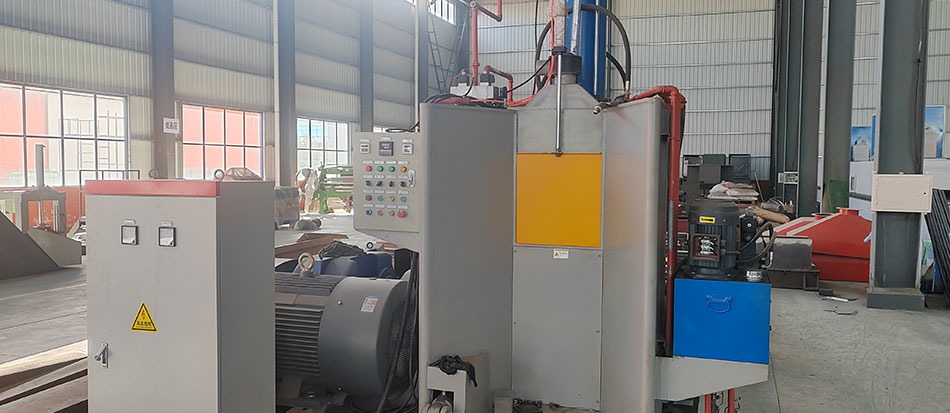
When selecting the right bi-component composite wig fiber spinning equipment for your production, you must consider several critical factors to ensure optimal performance and return on investment. First, assess the equipment's precision in controlling the ratio and distribution of the two polymer components, as this directly determines the fiber's final properties like softness, luster, and strength. You should look for systems with advanced, user-friendly control interfaces that allow for fine-tuning these parameters easily.
Secondly, production scalability and energy efficiency are key. High-quality equipment, such as that developed by companies like APEX (Qingdao Apex Machinery Technology Co., Ltd.), integrates intelligent and energy-saving technologies. This not only reduces your operational costs but also ensures stable, high-volume output to meet growing market demands. As a leader in high-end polymer machinery, APEX's expertise in precision extrusion can be particularly valuable for achieving consistent, premium fiber quality.
Finally, consider the supplier's after-sales support and global service capability. Since your production line's uptime is crucial, partnering with an established manufacturer with a proven track record of serving international clients ensures you have access to timely technical assistance, spare parts, and process optimization advice, safeguarding your long-term production success.
4.1、Assessing Your Output Capacity and Fiber Specifications
Determining your required output capacity is the foundational step. You must analyze your current market demand and projected growth to specify the daily or monthly production volume in kilograms or tons of fiber. A machine with a 100-spindle configuration will have a vastly different output than a 500-spindle system. Underestimating capacity leads to bottlenecks, while overestimating results in unnecessary capital expenditure and higher operational costs per unit.
Next, you need to define your fiber specifications with precision. This includes the target denier (fiber thickness), which directly influences the wig's density and realism. The equipment must be capable of consistently producing the exact denier you require, whether it's fine monofilament for a natural hairline or a thicker fiber for voluminous wefts. The ability to control denier variation is a key indicator of machine quality.
The fiber's cross-sectional shape is another critical specification. Bi-component technology excels here, allowing for complex shapes like trilobal, octalobal, or even hollow structures that mimic the light-reflective properties of human hair. You must confirm that the spinning equipment's spinneret design and polymer distribution system can achieve your desired cross-section consistently across all filaments.
Finally, consider the polymer materials you plan to use, such as specific grades of modacrylic, polyester, or PBT. The equipment's extrusion system, screw design, and temperature control zones must be compatible with these materials' melting points and flow characteristics. The right machine will offer precise thermal management to ensure perfect co-extrusion of the two components without degradation.
4.2、Evaluating System Automation and Ease of Operation
When evaluating bi-component composite wig fiber spinning equipment, the level of system automation is a primary determinant of your long-term operational efficiency and product consistency. You should look for systems that offer integrated control panels, often with touch-screen Human-Machine Interfaces (HMIs), which allow for centralized monitoring and adjustment of critical parameters like polymer melt temperatures, spinning speeds, and component ratios. High automation minimizes manual intervention, reducing the potential for human error and ensuring that every batch meets your exact specifications.
Ease of operation extends beyond the control software to the physical design of the machine. Consider the accessibility for routine maintenance, such as cleaning spinnerets or replacing filters. A well-designed system will have clear safety protocols, logical component layout, and perhaps even automated cleaning cycles or diagnostic alerts. This reduces machine downtime, empowers your technicians to perform tasks more efficiently, and lowers the overall skill threshold required for stable production, making your operation more resilient.
Furthermore, assess the equipment's data logging and recipe management capabilities. A sophisticated system should allow you to save and recall precise production settings for different fiber types—be it a silky straight, a curly, or a specialty color blend. This feature is invaluable for ensuring repeatability and quick changeovers between product lines. The ability to track production data also aids in quality control and process optimization, giving you actionable insights to improve yield and reduce waste over time.
Finally, do not overlook the importance of supplier support in this evaluation. The most automated system is only as good as the training provided and the technical support available. Ensure the equipment manufacturer offers comprehensive training for your operators and maintenance staff, along with clear documentation and responsive service. This support structure is integral to achieving a smooth, trouble-free operation and maximizing the return on your investment in advanced bi-component spinning technology.
4.3、Considering After-Sales Support and Technical Service
When you invest in bi-component composite wig fiber spinning equipment, you are not just purchasing a machine; you are entering a long-term partnership. The complexity of this advanced technology means that reliable after-sales support and technical service are not optional extras—they are fundamental to your production success and return on investment.
You should prioritize suppliers who offer comprehensive training for your operators and maintenance teams. Proper initial training ensures your staff can run the equipment efficiently from day one, minimizing costly startup errors and downtime. Look for providers that offer on-site training sessions as part of the package.
A robust spare parts supply chain is critical. Before finalizing your purchase, verify the supplier's inventory of critical components like spinnerets, pumps, and precision nozzles. Delays in receiving spare parts can halt your entire production line, so a guarantee of fast, reliable parts delivery is a key service metric to evaluate.
Technical troubleshooting support, available 24/7, is essential. The ability to quickly connect with expert engineers via phone, remote diagnostics, or on-site visits when a complex issue arises will drastically reduce your mean time to repair (MTTR). This continuous support protects your production schedule and product quality.
Finally, consider the supplier's commitment to software updates and process optimization. As your product requirements evolve, you may need adjustments to the spinning parameters or new fiber profiles. A service-oriented partner will provide ongoing technical consultations to help you adapt and innovate, ensuring your equipment continues to meet market demands long after the initial installation.
Embracing bi-component composite wig fiber spinning equipment is more than an upgrade; it's a transformation of your production capabilities. This technology empowers you to create synthetic hair fibers that meet the highest standards of quality and realism, directly responding to consumer demand for better products. The initial investment is strategically justified by the superior market positioning and customer satisfaction it enables.
As you consider integrating this advanced system into your operations, remember that success hinges on choosing the right technology partner. You need a supplier with proven expertise, reliable machinery, and comprehensive support to ensure a smooth transition and optimal performance. The future of wig manufacturing is defined by innovation and precision, and this equipment places you firmly at its forefront.
When seeking a partner for such advanced industrial solutions, consider Qingdao Apex Machinery Technology Co., Ltd. (International Brand: APEX). Founded in 2014, APEX is a high-tech enterprise specializing in the R&D, manufacturing, and sales of high-end rubber and plastic machinery. With a provincial-level engineering center and an intelligent production base, the company is committed to providing advanced, energy-efficient, and intelligent industrial solutions. Their expertise spans personal care and industrial monofilament extrusion lines, high-precision medical/industrial tubing lines, and more, serving over a thousand leading clients globally. For your bi-component composite wig fiber spinning equipment needs, partnering with an industry benchmark like APEX ensures access to cutting-edge technology and global competitive strength.