Price List of Made-in-China Low Pressure PU Injection Machines: Your Ultimate Guide to Cost & Value
Price list of Made-in-China low pressure PU injection machines is often the first thing you search for when planning to upgrade or set up your production line. You want to know exactly what you're investing in and how it fits your budget. This guide is designed to walk you through not just the numbers, but the real value behind them.
Understanding the price isn't just about comparing digits; it's about comprehending the technology, performance, and long-term benefits that come with a reliable machine. A low-pressure PU injection machine from China represents a significant opportunity for efficiency and quality in manufacturing various polyurethane products.
We'll break down the factors influencing the cost, help you interpret different price ranges, and show you how to make a smart investment that pays off in the long run. Let's dive into what makes these machines a worthwhile consideration for your business.
1、Understanding Low Pressure PU Injection Machine Pricing
1.1、Key Factors That Determine the Cost
1.2、Typical Price Range Overview
1.3、Comparing Budget vs. Premium Models
2、Core Features & Technologies in Priced Models
2.1、Precision Metering and Mixing Systems
2.2、Control System Sophistication (PLC/HMI)
2.3、Build Quality and Component Durability
3、How to Evaluate Value Beyond the Price Tag
3.1、Energy Efficiency and Operating Costs
3.2、After-Sales Service and Technical Support
3.3、Production Output and Consistency Guarantees
4、Getting an Accurate Quote for Your Needs
4.1、Defining Your Production Specifications
4.2、The Importance of Supplier Communication
4.3、Understanding Shipping and Installation Costs
1、Understanding Low Pressure PU Injection Machine Pricing
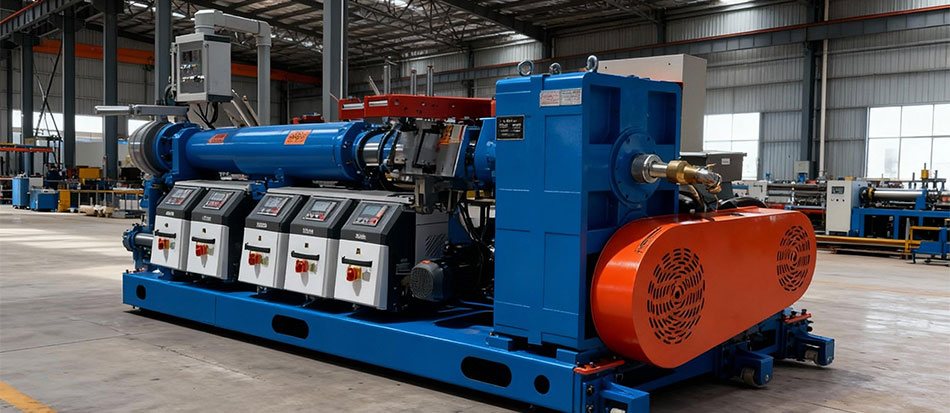
When you look at the price list of Made-in-China low pressure PU injection machines, you're not just seeing a number. You're looking at the culmination of engineering expertise, material quality, and technological sophistication. For a company like APEX (Qingdao Aipake Machinery Technology Co., Ltd.), which has been a leader since 2014 in high-end rubber and plastic machinery, the pricing reflects our commitment to integrating R&D, manufacturing, and intelligent solutions into every machine. The cost is influenced by core components like the precision metering system, the robustness of the clamping unit, the level of CNC automation, and the energy efficiency designed into the system. Understanding this helps you see why two machines with similar specs might have different price points—it's about the long-term value, reduced waste, and consistent output for your production in electronics, automotive, or medical industries.
1.1、Key Factors That Determine the Cost
When you look at a price list for low-pressure PU injection machines from China, you're seeing a final number shaped by several core components. The first and most significant factor is the machine's configuration and specifications. A machine designed for high-volume, automated production with a large shot capacity, multiple mixing heads, and advanced temperature control systems will command a higher price than a basic, manually operated model. The precision of the metering units and the quality of the hydraulic or servo-electric systems directly impact both cost and long-term consistency.
Another major cost driver is the brand reputation and the level of technological sophistication. Established manufacturers with proven R&D capabilities often integrate more reliable components, proprietary control software, and energy-efficient designs. You are not just paying for the metal; you are investing in the engineering expertise, stability, and lower failure rates that come with a reputable brand, which translates to less downtime and higher product quality for your operation.
The scope of after-sales service and warranty included in the price is a critical but sometimes overlooked factor. A slightly higher initial quote may encompass comprehensive technical support, on-site installation supervision, operator training, and a longer warranty period with readily available spare parts. This contrasts with a bare-bones price that only covers the machine itself, potentially leaving you with significant hidden costs and operational risks down the line.
Finally, market dynamics and order specifics influence the price. Factors like raw material costs (steel, electronics), currency exchange rates, and your order volume (single unit vs. bulk purchase) all play a role. Customizations to suit your specific product requirements, such as special fixture designs or integration with existing production lines, will also add to the base cost but are essential for optimal performance.
1.2、Typical Price Range Overview
When you look at the price list for Made-in-China low pressure PU injection machines, you will typically find a broad spectrum. The entry-level models, often with simpler controls and lower output capacities, can start from approximately $15,000 to $30,000. These are suitable for small-scale production or prototyping where basic functionality is the primary requirement.
Moving into the mid-range, which spans from about $30,000 to $70,000, you encounter machines with enhanced features. This includes more precise metering systems, better temperature control, higher mixing efficiency, and often PLC-based automation. This range represents the sweet spot for many small to medium-sized enterprises seeking a balance between cost and advanced performance.
For high-volume, precision-driven manufacturing, premium models can range from $70,000 to well over $150,000. In this tier, you invest in fully automated systems with sophisticated closed-loop control, high-pressure capability for demanding materials, advanced self-cleaning functions, and comprehensive data logging. The price reflects the machine's ability to maximize output, minimize waste, and ensure consistent, top-tier product quality.
It's crucial to understand that these ranges are indicative. The final price you receive will be a direct function of your specific configuration choices, such as shot volume, number of component tanks, the inclusion of a rotary table or robotic arm, and the brand's market positioning. Always request a detailed quotation that breaks down these specifications against the cost.
1.3、Comparing Budget vs. Premium Models
When you compare budget and premium models of low-pressure PU injection machines, the most apparent difference is the initial purchase price. A budget machine might offer a significantly lower entry point, which is attractive if your capital is limited. However, this lower cost often reflects compromises in core components, material quality, and manufacturing precision. You might find thinner steel frames, less robust hydraulic systems, or simpler, less precise metering units.
The operational performance gap becomes clear under production conditions. Premium models typically feature high-precision gear pumps or servo-driven metering systems, ensuring a consistent and accurate mix ratio of polyol and isocyanate. This directly translates to superior product quality with minimal waste, better physical properties in the finished foam, and long-term chemical resistance. A budget machine might struggle with ratio drift over time, leading to inconsistent batches and potential scrap.
Durability and longevity are where the investment in a premium machine truly pays off for you. These units are built with industrial-grade components designed for continuous, heavy-duty operation. Their robust construction minimizes vibration, reduces wear and tear, and leads to far less unplanned downtime. A budget machine, while functional, may require more frequent maintenance, part replacements, and could have a shorter overall service life, increasing your total cost of ownership.
Finally, consider the level of technical support and after-sales service. Reputable manufacturers of premium machines usually provide comprehensive training, detailed documentation, readily available spare parts, and responsive technical support. This ecosystem is crucial for minimizing production disruptions. With a budget model, support can be limited or non-existent, leaving you to troubleshoot complex issues on your own, which can be costly in terms of both time and lost production.
2、Core Features & Technologies in Priced Models
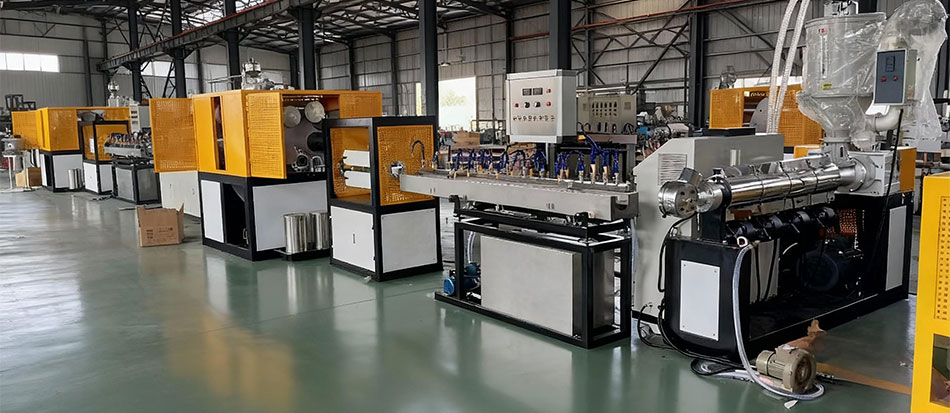
When you examine the price list of Made-in-China low pressure PU injection machines, you're not just looking at a cost; you're evaluating the core features and technologies that directly impact your production efficiency and product quality. For instance, a company like APEX integrates advanced PLC control systems and precision metering units into their priced models. This ensures you achieve consistent foam density and perfect skin formation for complex parts, which is crucial for applications in automotive, furniture, or electronics.
The value in these machines often lies in their energy-saving designs and intelligent process monitoring. You benefit from reduced material waste and lower operational costs over time. High-end models from established manufacturers may include features like automatic cleaning, recipe storage, and remote diagnostics, translating into less downtime and easier maintenance for your team.
Therefore, a higher price point typically reflects robust construction, reliable components, and sophisticated technology that enhances stability and extends the machine's lifespan. It's an investment in a production partner that helps you maintain a competitive edge through superior, repeatable results.
2.1、Precision Metering and Mixing Systems
When you look at the price list for Made-in-China low-pressure PU injection machines, the cost is heavily influenced by the sophistication of the precision metering and mixing system. This is the heart of the machine, determining the quality, consistency, and waste reduction of your final polyurethane product. A higher-priced model typically invests more in this core technology.
You need a system that delivers the polyol and isocyanate components in an exact, pre-programmed ratio, regardless of fluctuations in material viscosity or ambient temperature. Advanced machines use high-precision gear pumps or servo-driven piston pumps, coupled with closed-loop control systems, to achieve mix ratios with deviations as low as ±0.5%. This precision is non-negotiable for producing parts with uniform density and mechanical properties.
The mixing head technology is equally critical. Look for self-cleaning or high-pressure impingement mixing heads. In a low-pressure system, the mixing is achieved through mechanical stirring. A high-quality mixing head ensures a homogeneous blend of the two components with minimal air entrapment before the mixture is injected into the mold. This directly affects the surface finish and structural integrity of your product.
Furthermore, consider the system's ability to handle different material formulations. A versatile machine with a robust metering and mixing system allows you to switch between rigid, flexible, or integral-skin foams without major recalibrations, adding significant value to your investment beyond the initial price point.
2.2、Control System Sophistication (PLC/HMI)
When you examine the price list of Made-in-China low pressure PU injection machines, the sophistication of the control system—typically a Programmable Logic Controller (PLC) paired with a Human-Machine Interface (HMI)—is a primary cost driver. A more advanced PLC offers greater processing speed, more input/output points, and superior reliability, directly impacting your production's precision and uptime.
The HMI is your command center. A higher-priced model often features a larger, color touchscreen with intuitive graphical interfaces. This allows you to monitor real-time parameters like temperature, pressure, and shot volume, and make quick adjustments. For you, this translates to easier operation, faster changeovers between products, and reduced operator training time.
Furthermore, sophisticated control systems enable precise recipe management. You can store hundreds of formulations for different products, ensuring consistent quality batch after batch. This repeatability is crucial for maintaining your product standards and minimizing material waste, which directly protects your profit margins.
Finally, look for machines with connectivity features. Modern PLC systems may offer data logging, remote monitoring, and diagnostic capabilities. This means you can track production efficiency, predict maintenance needs, and troubleshoot issues faster, leading to smarter factory management and lower long-term operational costs.
2.3、Build Quality and Component Durability
When you examine the price list, the build quality and durability of components are directly reflected in the cost. A higher-priced Made-in-China low-pressure PU injection machine typically invests more in its core structural integrity. This means using thicker, high-grade steel for the frame and mixing head housing to withstand constant pressure and vibration without deformation. This robust construction ensures long-term alignment accuracy, which is critical for consistent product quality and reduced maintenance downtime.
The durability of key components like the precision metering pumps, servo motors, and the mixing chamber defines the machine's lifespan and reliability. Premium models feature internationally recognized brands for critical parts, such as Siemens or Mitsubishi for PLCs and servo systems, and high-precision gear pumps. While this increases the initial price, it drastically reduces the risk of unexpected failures, ensures precise ratio control over years of operation, and minimizes the total cost of ownership.
You should also pay close attention to the materials used in fluid paths that contact the chemical components. Machines priced for higher durability employ stainless steel or specially coated surfaces for the mixing head, pipes, and tanks. This resistance to corrosion and chemical attack prevents contamination, maintains mixing efficiency, and avoids costly replacements of these wear-prone parts, protecting your production consistency and material purity.
Ultimately, the investment in superior build quality and component durability translates to operational stability. A machine built to last can maintain its specified performance parameters—like mixing quality, shot weight accuracy, and cycle time—for a much longer period. This reliability allows you to plan production schedules with confidence, meet delivery deadlines consistently, and avoid the hidden costs associated with machine breakdowns and inferior product output.
3、How to Evaluate Value Beyond the Price Tag
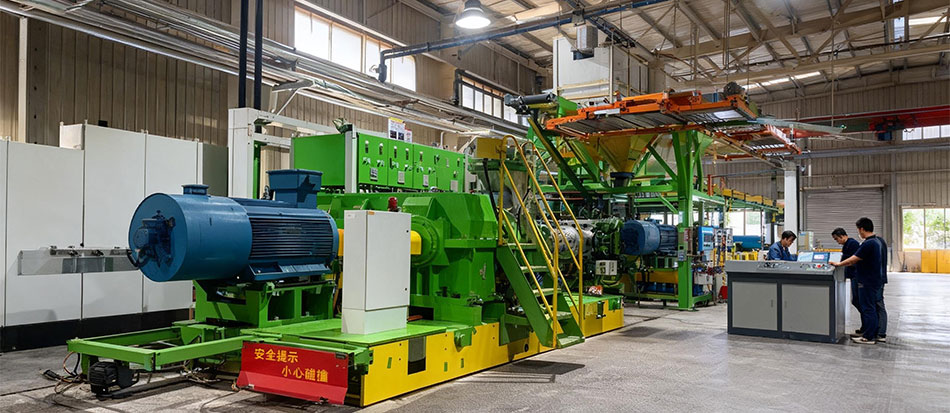
When you look beyond the initial price list, evaluating a low-pressure PU injection machine's true value becomes crucial. It's not just about the purchase cost; it's about the total cost of ownership and the return on investment. You should consider factors like energy efficiency, which directly impacts your long-term operational expenses. A machine from a manufacturer like APEX, which focuses on advanced and energy-saving solutions, can offer significant savings despite a potentially higher upfront price.
Furthermore, assess the machine's reliability, precision, and after-sales support. Downtime is expensive. A robust machine built with high-quality components, backed by a company with a proven track record of serving global clients, ensures consistent production and minimizes costly interruptions. The technology's sophistication, such as intelligent control systems for precise foam molding, directly affects your product quality and market competitiveness.
Finally, consider the manufacturer's expertise and commitment to innovation. A partner like APEX, with its dedicated R&D center, doesn't just sell a machine; it provides a sustainable industrial solution. This partnership value, including technical support and access to future upgrades, is an intangible asset that far outweighs a simple price comparison, ensuring your investment remains productive and relevant for years to come.
3.1、Energy Efficiency and Operating Costs
When you look at the price list, the initial purchase price is just one part of the total cost equation. The true long-term expense is heavily influenced by the machine's energy efficiency. A modern, well-designed low-pressure PU injection machine from a reputable Chinese manufacturer is engineered to minimize power consumption during both the mixing and injection phases, directly reducing your monthly electricity bills.
You should examine the specifications for the drive system and heating methods. Machines utilizing servo motors for metering pumps and advanced temperature control systems often consume significantly less energy compared to older hydraulic or asynchronous motor systems. This efficiency translates into lower operating costs over the machine's lifespan, which can be 10 years or more.
Furthermore, consider the insulation and thermal management of the material tanks and lines. Efficient thermal retention means the heaters work less frequently to maintain the precise temperature required for the polyurethane components, leading to further energy savings. This operational frugality not only saves money but also contributes to a more stable and consistent production process.
Therefore, a slightly higher initial investment in a more energy-efficient model can lead to substantial cost savings, effectively paying for itself over time. Always request detailed power consumption data from the supplier to make a calculated comparison beyond the sticker price.
3.2、After-Sales Service and Technical Support
When you invest in a low-pressure PU injection machine, you are not just buying hardware; you are entering into a long-term partnership. The quality and responsiveness of the after-sales service and technical support are critical determinants of your machine's uptime and your production's overall efficiency. A lower initial price can quickly become a costly mistake if it comes with poor support.
You should specifically inquire about the warranty period and what it covers. A comprehensive warranty on core components like the mixing head, hydraulic system, and control unit indicates the manufacturer's confidence in their product's durability. More importantly, understand the service response time. A reliable supplier will have a clear protocol for remote troubleshooting and, if necessary, dispatching engineers to your facility to minimize downtime.
Technical support extends beyond repairs. It includes proper installation guidance, operator training, and ongoing consultation for process optimization. Ask if the supplier provides detailed training materials, on-site training sessions, and a dedicated technical hotline. This knowledge transfer empowers your team to operate the machine correctly and troubleshoot minor issues independently, safeguarding your investment.
Finally, consider the availability of spare parts. A machine is only as good as the availability of its components. A reputable manufacturer will maintain a well-stocked inventory of commonly worn parts and have an efficient logistics system to deliver them to you promptly. The long-term cost of extended production halts due to unavailable parts far outweighs any minor savings on the initial machine price.
3.3、Production Output and Consistency Guarantees
When you look at the price list, the stated production output—often in cycles per hour or kilograms per hour—is a critical figure. However, the true value lies not just in the peak output but in the machine's ability to sustain that output consistently over long production runs. A cheaper machine might promise high speed but could suffer from thermal instability or inconsistent metering, leading to frequent downtime and wasted material.
Consistency is the cornerstone of profitability and quality control. A high-quality low-pressure PU injection machine ensures that every shot—the mix ratio, the injection volume, and the curing profile—is identical. This eliminates product defects like soft spots, voids, or dimensional inaccuracies, directly saving you money on scrap rates and rework while protecting your brand reputation.
Therefore, when evaluating a machine, inquire about the guarantees or design features that ensure this consistency. Look for precision gear pumps or servo-driven metering units, advanced temperature control systems for the material tanks and lines, and robust PLC systems with recipe management. These are the components that translate a price on a list into a reliable, predictable production asset for your factory.
4、Getting an Accurate Quote for Your Needs
Now that you understand the factors influencing the price, getting an accurate quote tailored to your specific production needs is the crucial next step. A generic price list provides a starting range, but your final investment should reflect your exact requirements. To receive a precise quotation, you need to clearly communicate key details to the manufacturer, such as the desired shot volume, mixing head configuration, required automation level (like robotic integration), and any special features for your target products.
This is where partnering with a specialized manufacturer like APEX (Qingdao APEX Machinery Technology Co., Ltd.) adds significant value. As a high-tech enterprise with its own R&D center and intelligent production base, APEX doesn't just sell machines; they provide industrial solutions. By discussing your application in detail—whether it's for automotive parts, medical components, or construction materials—their engineering team can recommend the optimal low-pressure PU injection machine configuration. This ensures the quote you receive is for a system designed for efficiency, energy savings, and long-term reliability, maximizing the return on your investment beyond the initial price point.
4.1、Defining Your Production Specifications
To get an accurate and meaningful quote, you must first clearly define your production specifications. This is the foundation upon which all cost calculations are built. Start by detailing the type of polyurethane products you intend to manufacture—whether it's flexible foam for mattresses, rigid foam for insulation, or elastomers for wheels and seals. The chemical system and required density directly influence the machine's metering and mixing capabilities.
Next, quantify your output requirements. Determine your target production volume per shift, day, or month. This dictates the required shot capacity, output rate (e.g., kg/min), and the degree of automation needed. A machine sized for small-batch prototyping will have a vastly different price point than one designed for continuous, high-volume manufacturing.
Consider your specific process parameters. What are the mix ratio and viscosity of your materials? Do you need precise temperature control for the material tanks and hoses? Will you be working with fast-curing systems that demand a high-pressure impingement mixing head, or can a standard low-pressure machine suffice? These technical details are critical for suppliers to recommend the correct configuration.
Finally, think about your factory environment and future plans. Specify available power (voltage, phase), floor space, and any desired integrations with existing conveyor lines or molds. Also, communicate any plans for future expansion or product diversification, as investing in a slightly more capable machine now might be more cost-effective than upgrading later.
4.2、The Importance of Supplier Communication
Effective communication with your potential supplier is not a preliminary step; it is the core of the procurement process. When you initiate a dialogue, you are not just asking for a price—you are building a relationship that will determine the success of your project. A clear, detailed exchange of information is the only way to ensure the machine you receive is precisely configured for your specific application, materials, and production goals.
Start by providing a comprehensive overview of your requirements. This includes the type of polyurethane products you will manufacture (e.g., rigid foam, flexible foam, elastomers), the expected output volume, the part dimensions, and the specific material systems you plan to use. Don't assume the supplier knows industry standards; explicitly state your needs. The more information you give, the more accurate the technical proposal and subsequent quote will be.
Ask probing questions about the machine's specifications. Inquire about the precision of the metering system, the type of mixing head (low-pressure or specific designs for your application), the control system's capabilities, and the standard and optional features. A reputable supplier will welcome these questions and provide detailed technical explanations, not just a sales pitch. This dialogue helps you assess their expertise and the machine's true suitability.
Discuss post-sales support explicitly. Clarify the terms of warranty, the availability and cost of spare parts, the training provided for your operators, and the supplier's protocol for technical support. Will they offer remote assistance? How quickly can an engineer be dispatched if needed? The initial price is one figure; the cost of downtime due to poor support is another. Clear communication here prevents future misunderstandings and operational headaches.
Finally, use this communication to evaluate the supplier's professionalism and responsiveness. Timely, clear, and knowledgeable replies are strong indicators of a reliable partner. A supplier who invests time in understanding your needs is more likely to deliver a machine that offers genuine value, aligning the quoted price with long-term performance and reliability, not just an attractive initial number.
4.3、Understanding Shipping and Installation Costs
When you request a quote, the machine price is often just the beginning. Understanding the total landed cost, which includes shipping and installation, is crucial for accurate budgeting. These are not trivial add-ons; they are significant components of your total investment and project timeline.
Shipping costs from China are influenced by the machine's size, weight, and your chosen Incoterms (e.g., FOB, CIF, DDP). A standard low-pressure PU machine is a sizable piece of equipment. You must clarify with the supplier who is responsible for freight, insurance, and customs clearance in your country. Opting for DDP (Delivered Duty Paid) might simplify the process for you but will be reflected in a higher overall quote.
Installation and commissioning are equally critical. Does the quoted price include on-site installation by factory engineers? If not, you need to budget for their travel, accommodation, and daily service fees. Professional installation ensures the machine is calibrated correctly, operates safely from day one, and that your operators receive proper initial training. Attempting a DIY installation to save costs can lead to operational issues, voided warranties, and safety hazards.
Always ask for a detailed breakdown that separates the machine cost, international logistics, and installation services. This transparency allows you to compare quotes fairly and avoid unexpected expenses that can disrupt your financial planning and project launch.
Navigating the price list of Made-in-China low pressure PU injection machines is a crucial step toward making an informed capital investment. By now, you should have a clearer picture of how price correlates with features, performance, and total cost of ownership. Remember, the cheapest option upfront isn't always the most economical in the long term.
Focus on finding a machine that offers the right balance of advanced technology, reliability, and manufacturer support to match your specific production goals. A well-chosen machine will enhance your productivity, product quality, and ultimately, your profitability.
When seeking reliable partners in this field, consider manufacturers with proven expertise and global reach. For instance, Apex Machinery (Qingdao Aipake Mechanical Technology Co., Ltd.), established in 2014, is a high-tech enterprise specializing in advanced rubber and plastic machinery. With a provincial engineering center and intelligent production base, they offer innovative and energy-efficient industrial solutions, including PU/sponge numerical control production lines. Their products serve top clients in over 30 countries, making them a competitive and technologically strong benchmark in the industry, worthy of your consideration.