
Precision Micro-Tube Extrusion Line for Clean Room Applications: Your Key to Ultra-Clean Medical & Electronic Manufacturing
Precision micro-tube extrusion line for clean room applications represents the pinnacle of manufacturing technology for critical industries like medical devices and electronics. When your production demands absolute purity, zero contamination, and micron-level accuracy, a standard extrusion line simply won't suffice. You need a solution engineered from the ground up to thrive in the controlled, particle-free environment of a clean room.
This specialized equipment is designed to handle the most sensitive materials, such as high-purity polymers for catheters, bio-compatible tubing, or delicate fluidic channels for diagnostic devices. Every component, from the material handling system to the haul-off, is built to prevent the introduction of any foreign particles that could compromise product integrity and patient safety.
Choosing the right precision micro-tube extrusion line for clean room applications is a strategic decision that directly impacts your product quality, regulatory compliance, and operational efficiency. Let's explore how this advanced technology can elevate your manufacturing process to meet the highest global standards.
1、Why Clean Room Compatibility is Non-Negotiable
1.1、The Critical Need for Contamination Control
1.2、Meeting Stringent Industry Regulations (ISO, GMP)
1.3、Protecting Product Integrity and Patient Safety
2、Core Components of a Clean Room Precision Extrusion Line
2.1、Contamination-Controlled Material Feeding & Drying Systems
2.2、High-Precision, Clean-Rated Extruder and Die Design
2.3、In-Line Monitoring and 100% Vision Inspection Systems
2.4、Clean Room Compatible Haul-Off, Cutting, and Handling
3、Key Performance Features for Superior Micro-Tubing
3.1、Unmatched Dimensional Accuracy and Wall Thickness Consistency
3.2、Advanced Melt Temperature and Pressure Control
3.3、Smooth, Particle-Free Surface Finish
3.4、High Repeatability and Process Stability
4、Applications Driving the Demand
4.1、Medical: Catheters, Cannulas, Micro-Fluidic Channels
4.2、Electronics: Precision Insulation Sleeving, Fiber Optics
4.3、Biotech & Pharmaceutical: Lab-on-a-Chip, Diagnostic Components
5、Selecting and Integrating Your Optimal System
5.1、Defining Your Tubing Specifications and Clean Room Class
5.2、Evaluating System Layout for Minimal Footprint and Easy Access
5.3、Ensuring Seamless Validation and After-Sales Support
1、Why Clean Room Compatibility is Non-Negotiable
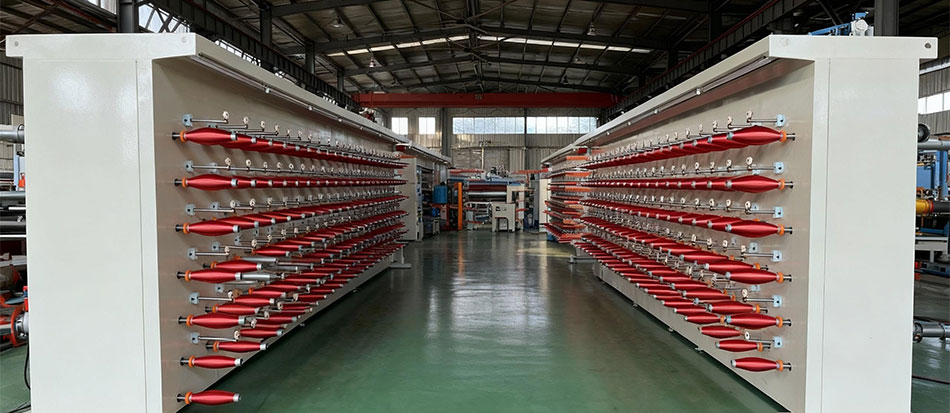
For manufacturers like you in the medical and high-end electronics sectors, clean room compatibility is not an optional feature—it's the absolute foundation of your production integrity. When you are producing components for implantable devices, diagnostic tools, or sensitive microfluidic circuits, even a single micron-sized particle can lead to catastrophic product failure, patient harm, or costly batch rejections. A standard extrusion line introduces lubricants, wear debris, and ambient contaminants that are completely unacceptable in these environments.
This is precisely why a dedicated precision micro-tube extrusion line for clean room applications is essential. At APEX, we engineer our lines with this non-negotiable requirement at the core. Every surface is designed for easy cleaning and minimal particle generation. We utilize stainless steel constructions, sealed drives, and specially designed components that prevent outgassing and shedding. Our systems integrate seamlessly into your controlled environment, ensuring that the ultra-clean material you start with remains pristine throughout the entire extrusion process.
By investing in such a purpose-built line, you are not just buying equipment; you are investing in risk mitigation, regulatory compliance (like ISO 13485 for medical devices), and the unwavering trust of your end-users. It protects your brand reputation and ensures that your products meet the stringent purity standards demanded by global markets.
1.1、The Critical Need for Contamination Control
In your clean room environment, contamination control is not just a best practice; it is the absolute foundation of product viability. The presence of microscopic particles, fibers, or microbial agents can lead to catastrophic failures in medical devices, such as catheter blockages, inflammatory responses, or inaccurate diagnostic readings. For electronic components, contamination can cause short circuits, signal interference, and reduced reliability. Your extrusion line must be an ally in this battle, not a source of the problem.
Every moving part in a standard extrusion line is a potential particle generator. Friction from gears, wear from screws, and even lubricants can shed contaminants. A precision micro-tube extrusion line for clean room applications is engineered to eliminate these sources. It utilizes sealed bearings, specially coated surfaces to minimize friction and adhesion, and often employs clean room-compatible lubricants or dry-running designs. The goal is to ensure that the only material entering your pristine tubing is the certified, high-purity polymer resin you specify.
Beyond particles, you must also control other forms of contamination. The line should be designed with smooth, crevice-free surfaces to prevent material hang-up and bacterial harborage, which is critical for sterile medical products. The use of corrosion-resistant materials like specific grades of stainless steel prevents metallic leaching. Furthermore, the system's design should facilitate easy and thorough cleaning and sanitization protocols, allowing you to maintain your clean room classification without compromise.
Ultimately, investing in a clean room-compatible extrusion line is an investment in risk mitigation. It protects your product from defects that could lead to costly recalls, regulatory non-compliance, and most importantly, patient harm. It ensures that the exceptional precision of your micro-tubes is matched by their exceptional purity, giving you and your end-users complete confidence in every meter produced.
1.2、Meeting Stringent Industry Regulations (ISO, GMP)
For you, operating in the medical or high-end electronics sectors, compliance isn't just a box to tick—it's the foundation of your market access and brand trust. A precision micro-tube extrusion line designed for clean room applications is engineered to be your partner in achieving and maintaining this compliance seamlessly.
Consider ISO 13485 for medical devices and the principles of Good Manufacturing Practice (GMP). These frameworks mandate a controlled environment where every aspect of production is documented, validated, and free from contamination. Your extrusion line must support this. Its design minimizes particle generation from moving parts, features easy-to-clean stainless steel surfaces, and allows for integration into your environmental monitoring systems, providing the traceability and control auditors require.
Material handling is a critical compliance point. The line should incorporate closed-loop systems that protect resins from ambient exposure, preventing the introduction of airborne contaminants. This is essential for validating the purity of your raw material from hopper to finished micro-tube, a key requirement for regulatory submissions and quality assurance protocols.
Ultimately, investing in a clean-room-compatible extrusion line is an investment in risk mitigation. It provides the physical evidence that your manufacturing process is designed to prevent contamination, giving you confidence during audits and ensuring the safety and efficacy of every micro-tube you produce for sensitive applications.
1.3、Protecting Product Integrity and Patient Safety
When you manufacture medical devices like catheters, implantable tubing, or fluidic systems for diagnostics, the tubing is not just a component; it is a direct interface with the human body or a critical sample. Any particulate contamination, microbial ingress, or chemical leachate introduced during the extrusion process can have catastrophic consequences, leading to device failure, patient infection, or inaccurate diagnostic results. Your precision micro-tube extrusion line for clean room applications is your primary defense against these risks.
The design philosophy of such a line eliminates particle generation points. You will find that components like barrel heaters, screw drives, and guide systems are enclosed or designed with smooth, easy-to-clean surfaces that prevent the accumulation of material and debris. The use of specialized, low-particulate seals and the elimination of lubricants in critical zones ensure that nothing foreign is introduced into the material stream, protecting the intrinsic purity of your polymer.
Beyond particulates, the line safeguards against biological contamination. The controlled environment, combined with the line's cleanability, prevents microbial growth. Materials that contact the product are often made of high-grade, corrosion-resistant stainless steel that can withstand rigorous sterilization protocols, such as autoclaving or chemical decontamination, between production runs. This is essential for maintaining a validated aseptic processing environment.
Ultimately, investing in a clean room-compatible extrusion line is an investment in risk mitigation and regulatory compliance. It provides you with the documented evidence and process control needed to satisfy stringent audits from bodies like the FDA or EMA. It transforms your extrusion process from a potential source of variability into a guaranteed pillar of product integrity and patient safety.
2、Core Components of a Clean Room Precision Extrusion Line
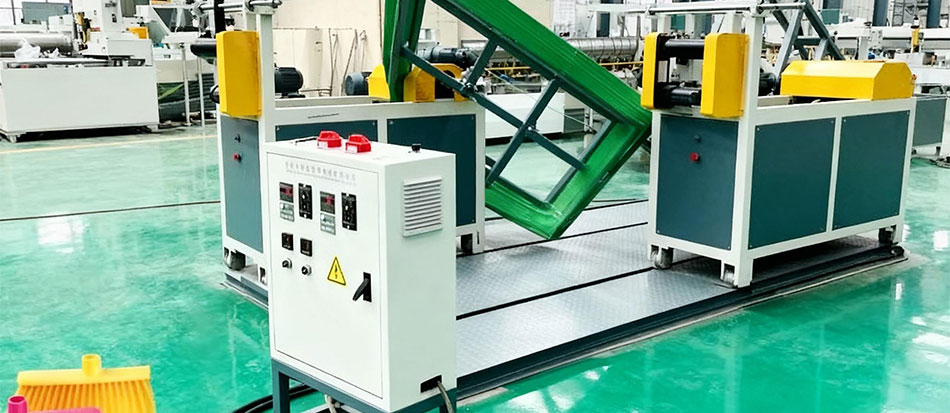
When you invest in a precision micro-tube extrusion line for clean room applications, you're not just buying a machine; you're integrating a meticulously engineered system. At its core, this line comprises several critical components, each designed to uphold the stringent purity and precision standards your medical or electronic products demand. The process begins with a hermetically sealed or purged material handling and drying system, ensuring your high-purity resins are fed without contamination. The extruder itself features specialized, polished surfaces and corrosion-resistant alloys to prevent particle generation and material degradation.
For ultimate control, you need a precision gear pump and a melt filtration system to guarantee consistent, contaminant-free polymer flow. The heart of dimensional accuracy lies in the tooling – ultra-precision dies and mandrels, often custom-designed by experts like APEX, to produce tubes with tolerances in the micron range. The cooling and calibration systems are equally vital, utilizing ultra-clean water or air in closed-loop circuits to set the tube's dimensions without introducing impurities.
Finally, the haul-off and capstan employ servo-driven technology for gentle, precise traction, while laser gauges or other non-contact measurement systems provide you with real-time, closed-loop feedback on outer diameter and wall thickness. Every component in an APEX line is selected and configured to function as a seamless, clean-room-compatible unit, giving you complete confidence in the integrity of every meter of tubing produced.
2.1、Contamination-Controlled Material Feeding & Drying Systems
The journey to ultra-clean tubing begins long before the polymer melt reaches the die. Your first line of defense is a contamination-controlled material feeding and drying system. Standard hoppers and dryers are significant sources of particle generation and ingress. In a clean room line, you need systems with sealed, polished stainless-steel surfaces, often with electropolished finishes, to minimize areas where particles can accumulate or be generated.
For feeding, you will typically employ a closed-loop system. Vacuum loaders or dedicated sealed conveyors transfer resin from its original, clean packaging directly into a sealed hopper. This process eliminates manual handling and exposure to ambient air, which is a primary contamination vector. The hopper itself features airtight seals, and sometimes even a slight positive pressure of filtered air (often HEPA or ULPA filtered) to prevent external particles from being drawn in.
The drying system is equally critical. Hygroscopic polymers must be dried to precise moisture levels to prevent voids and degradation during extrusion. Your clean room dryer will use a closed-circuit dehumidifying air loop. The process air is continuously circulated through a desiccant bed and a series of particulate filters before being blown through the resin. This ensures that the drying medium itself is particle-free and does not introduce contamination. All connections between the dryer, hopper, and extruder throat are sealed to maintain the integrity of the closed system.
Finally, material selection for these components matters. You should look for systems constructed from 316L or similar high-grade stainless steel, with smooth, crevice-free welds. All internal surfaces should be easy to access and clean, supporting your clean room's stringent sanitation protocols. This foundational stage sets the purity standard for your entire micro-tube extrusion process.
2.2、High-Precision, Clean-Rated Extruder and Die Design
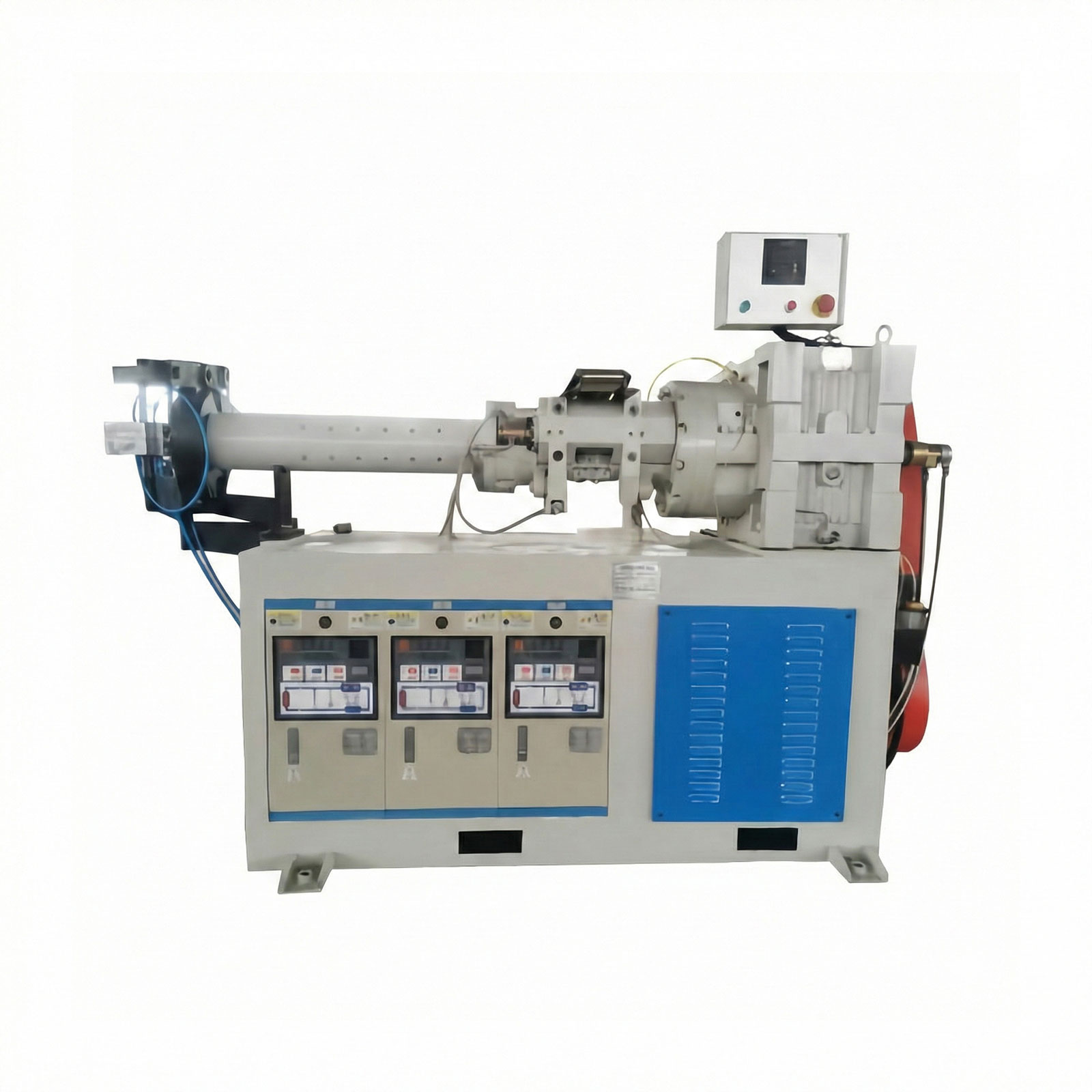
At the heart of your precision micro-tube extrusion line for clean room applications is the extruder and die system, engineered to be the ultimate guardians of purity and accuracy. Unlike standard machines, every surface in contact with the melt is polished to a mirror finish, minimizing areas where material can degrade or particles can adhere. The barrel and screw are often constructed from specialized, corrosion-resistant alloys that prevent metallic contamination, ensuring the polymer remains pristine from feed throat to die exit.
You need a screw design specifically optimized for your high-purity material, whether it's a fluoropolymer, polyurethane, or other medical-grade resin. This precision engineering provides gentle, consistent shear and melt homogenization without generating excessive heat or degrading the polymer—a critical factor for maintaining material properties and preventing the creation of gels or black specks that would be catastrophic in a clean room product.
The die assembly itself is a masterpiece of micro-machining. Tooling is manufactured to tolerances measured in microns, allowing you to achieve and maintain the exact inner and outer diameters required for your application. A streamlined, dead-zone-free flow path within the die is non-negotiable; it eliminates stagnation points where material can cook and break off as contaminants. For many clean room lines, the die is fully enclosed and may be equipped with a local HEPA-filtered purge system to create a mini-environment of ultra-clean air directly at the point of extrusion.
Furthermore, the entire extruder and die system is designed for rapid, tool-less disassembly and cleaning. This minimizes downtime during product changeovers or maintenance cycles, a vital feature for maintaining the stringent productivity and cleanliness protocols of your clean room. When you invest in this level of precision and clean-rated design, you are not just buying a machine—you are securing the foundational capability to produce defect-free, reliable micro-tubing batch after batch.
2.3、In-Line Monitoring and 100% Vision Inspection Systems
In a clean room environment, you cannot rely on post-production sampling to ensure quality. Your precision micro-tube extrusion line must integrate real-time, in-line monitoring and 100% vision inspection systems. These are your digital eyes, providing continuous, non-contact verification of every millimeter of tubing produced, ensuring that any defect is caught instantly, preventing waste and guaranteeing that only perfect product proceeds downstream.
Key parameters like outer diameter (OD), inner diameter (ID), and wall thickness are measured in real-time using laser micrometers, optical gauges, or ultrasonic sensors. This data is fed directly to the line's control system, allowing for automatic, closed-loop adjustments to maintain tolerances within microns. For you, this means consistent product geometry and a dramatic reduction in material variation and manual intervention.
The 100% automated vision inspection system takes quality control to the next level. High-resolution cameras, often with specialized lighting, inspect the tube surface for contaminants, gels, black specks, voids, scratches, or ovality issues that dimensional sensors might miss. Advanced software algorithms analyze every image, classifying defects and triggering immediate alarms or automatic rejection mechanisms. This creates a verifiable, digital quality record for each batch, which is invaluable for your regulatory compliance and traceability requirements.
By implementing these systems, you move from a reactive to a proactive quality paradigm. You gain unparalleled process control, the ability to perform statistical process control (SPC) with live data, and the absolute confidence that your ultra-clean micro-tubing meets the most stringent specifications before it even leaves the extrusion line.
2.4、Clean Room Compatible Haul-Off, Cutting, and Handling
The haul-off unit is the critical interface where your pristine micro-tube transitions from the molten state to a solid, handled product. In a clean room setting, this system must be a masterpiece of low-particulate design. You need servo-driven capstans with smooth, non-marring surfaces that provide precise, jerk-free tension control without generating wear debris. Enclosed designs with integrated HEPA-filtered air showers are essential to continuously purge any potential static-attracted particles from the tube surface as it cools.
Downstream, the cutting system must execute flawless, burr-free cuts without contamination. Traditional cutting methods often produce particulates. Your solution requires specialized clean room cutters, such as laser cutting systems with integrated fume extraction or ultra-sharp, low-inertia rotary blades that produce minimal swarf. The cutting zone is often fully enclosed and under negative pressure to immediately capture any generated particles, preventing them from entering the clean room environment.
Finally, automated handling post-cut is non-negotiable. Manual handling introduces the highest risk of contamination and variability. Your line should integrate gentle robotic pick-and-place systems or synchronized conveyor belts with clean room-rated materials (e.g., antistatic polymers) to automatically transfer finished tubes into validated, clean packaging. This closed-loop handling ensures the product's purity is maintained from the moment it is formed until it is securely sealed, safeguarding your investment in clean room manufacturing.
3、Key Performance Features for Superior Micro-Tubing
When you invest in a precision micro-tube extrusion line for clean room applications, you are not just buying a machine; you are securing a system engineered for excellence. The key performance features that define superior micro-tubing production are precision, cleanliness, and stability. For you, this means an extrusion line equipped with a high-accuracy, servo-driven gear pump that ensures consistent melt pressure and volumetric output, delivering tubing with micron-level dimensional tolerances and repeatability batch after batch.
Furthermore, the entire system, from the hopper to the haul-off, is designed with a closed-loop, stainless-steel construction to prevent particle generation and ingress. This is critical for your medical or electronic applications where even microscopic contaminants can lead to product failure. Advanced temperature control systems with multi-zone accuracy guarantee the material properties remain pristine throughout the process.
At APEX, we integrate these features into our lines, leveraging our expertise as a high-tech enterprise focused on advanced plastic machinery. Our precision micro-tube extrusion solutions are built to operate seamlessly in your clean room, ensuring your production of catheters, bio-tubing, or delicate fluidic components meets the stringent standards of global regulatory bodies, enhancing your product reliability and market competitiveness.
3.1、Unmatched Dimensional Accuracy and Wall Thickness Consistency
For you, achieving unmatched dimensional accuracy is not just a specification; it's the foundation of product functionality. In medical applications like vascular catheters or microfluidic chips, a deviation of even a few microns can alter flow rates, affect device performance, or compromise a surgical procedure. Our precision micro-tube extrusion line for clean room applications delivers tolerances as tight as ±0.0005 inches (±12.7 μm), ensuring every meter of tubing meets your exacting CAD models.
This precision is achieved through a symphony of engineered components. The heart of the system is a thermally stable, zero-clearance extrusion die and tip assembly, machined to sub-micron finishes. It's paired with a melt pump that provides a pulsation-free, metered polymer flow, eliminating the surging that causes wall thickness variations. You gain absolute control over the melt from the moment it enters the die.
Consistency in wall thickness is equally critical. An oval or uneven wall can lead to weak points, kinking, or inconsistent flexibility. Our lines integrate non-contact, laser-based wall thickness measurement systems that provide real-time, 360-degree profiling of the tube as it emerges. This data is fed back to a closed-loop control system that automatically makes micro-adjustments to the haul-off speed or air pressure, correcting any drift instantly without operator intervention.
Furthermore, the clean room environment itself contributes to this consistency. By eliminating airborne particles, you prevent microscopic contaminants from becoming embedded in the tube wall or causing die buildup, which are common sources of dimensional variation in standard environments. Your process stays stable, run after run, delivering batch-to-batch uniformity that simplifies validation and accelerates your time to market.
3.2、Advanced Melt Temperature and Pressure Control
For you, achieving consistent wall thickness and perfect concentricity in micro-tubing is impossible without mastering the melt's thermal and rheological behavior. Advanced melt temperature and pressure control is the core technology that makes this possible. It's not just about hitting a setpoint; it's about maintaining an exceptionally stable thermal profile and precise pressure throughout the entire extrusion process, from the barrel to the die.
Your line should feature multi-zone barrel heating with high-resolution PID controllers, often complemented by closed-loop liquid cooling systems. This allows you to create a perfectly tailored temperature gradient for your specific polymer, ensuring complete and homogeneous melting without thermal degradation. For ultra-sensitive materials, you need the ability to control temperature to within ±0.5°C or better, eliminating viscosity fluctuations that lead to dimensional variation.
Equally critical is the integration of high-accuracy melt pressure transducers directly before the die. This real-time pressure data is fed back to the drive system, enabling automatic screw speed adjustments to maintain a constant extrusion pressure. This closed-loop pressure control is your primary defense against surging, which causes unacceptable variations in outer diameter and wall thickness in micro-scale products.
Together, this level of control ensures that the polymer melt delivered to your precision die is uniform in temperature, viscosity, and flow rate. The result for you is micro-tubing with repeatable, lot-to-lot consistency, minimal residual stress, and the exact mechanical properties required for your most demanding clean room applications.
3.3、Smooth, Particle-Free Surface Finish
The surface finish of your micro-tube is not merely an aesthetic concern; it is a critical functional attribute. A smooth, particle-free surface is essential to prevent bacterial adhesion in medical applications, ensure consistent fluid flow in analytical devices, and avoid electrical shorts or contamination in electronic assemblies. Your extrusion line must be engineered to achieve this level of perfection consistently.
This begins with the die and tip design, which must be polished to a mirror finish and manufactured with ultra-hard, non-galling materials to prevent microscopic scoring that can create nucleation points for defects. The entire melt flow path, from the screw to the die, must be free of dead spots where material can degrade and shed particles into your product.
Furthermore, the clean room environment itself is integral. The line's design minimizes areas where dust can accumulate. Components like air wipes and cooling tanks use filtered, ultra-clean air or water to set the tube without introducing contaminants. Any contact surfaces, such as capstans and guides, are made from specialized, low-particulate-shedding materials.
Ultimately, the goal is to produce tubing where the surface is an inherent property of the extrusion process, not a result of post-processing. This intrinsic smoothness guarantees product safety, performance reliability, and simplifies your validation process for regulatory standards like ISO 13485.
3.4、High Repeatability and Process Stability
For you, achieving high repeatability means that every meter of micro-tubing produced is virtually identical to the last. This is non-negotiable in clean room applications where a single dimensional deviation can cause a catheter to fail or a microfluidic chip to malfunction. Our precision extrusion line delivers this through a combination of advanced digital servo drives, closed-loop control on all critical parameters, and a thermally stable extrusion environment. You can run production batches over extended periods with the confidence that the inner diameter, outer diameter, and wall thickness will remain within your specified micron tolerances.
Process stability is the foundation of this repeatability. It ensures that the extrusion process is not susceptible to drift or variation caused by external factors. The line is engineered with high-precision gear pumps that provide a consistent, pulseless melt pressure to the die, eliminating surging. Coupled with a water bath or laser gauge system that provides real-time feedback for automatic diameter control, you maintain a steady-state operation from startup to shutdown. This minimizes material waste during transitions and guarantees that every segment of tubing meets your stringent quality criteria.
This level of control directly translates to operational efficiency and cost savings for you. With a stable and repeatable process, you experience fewer production interruptions, reduced scrap rates, and significantly less need for post-production inspection and sorting. Your validation and qualification processes become more straightforward, as you can reliably demonstrate process capability (Cp/Cpk) to regulatory bodies. Ultimately, investing in a line built for high repeatability and stability protects your product quality, ensures batch-to-batch consistency, and strengthens your position as a trusted supplier in the medical and electronics markets.
4、Applications Driving the Demand
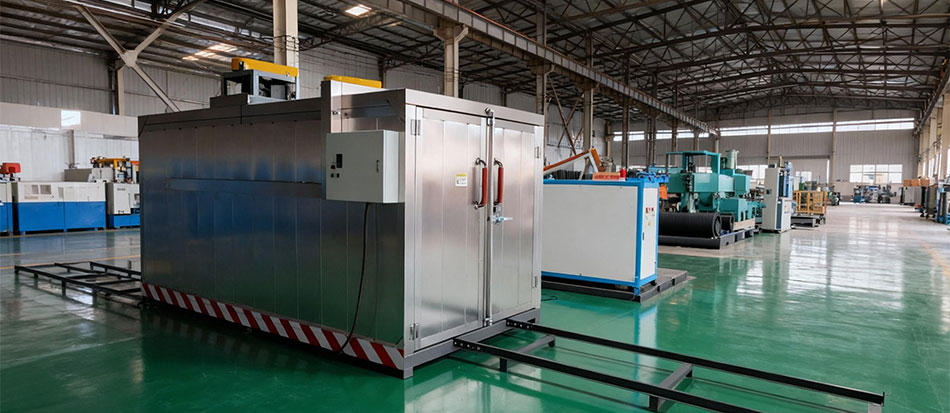
So, what specific needs are driving the demand for such a high-specification precision micro-tube extrusion line for clean room applications? For you, as a manufacturer in the medical or electronics sector, the answer lies in the critical nature of your products. In medical manufacturing, think of intravascular catheters, neurovascular micro-tubes, or bio-absorbable sutures. Any particulate contamination can lead to severe patient complications, making a clean room-certified extrusion line from a trusted supplier like APEX not just an option, but a regulatory and ethical necessity. Your production of sensitive electronic components, such as fiber optic sheathing or miniature fluidic channels for lab-on-a-chip devices, equally demands an environment free from dust and static to ensure flawless performance and yield.
This is precisely where APEX's expertise comes into play. Our precision micro-tube extrusion lines are engineered to be the clean heart of your production. From the closed-loop material feeding system that prevents ambient exposure to the specially designed tooling and air-wiping stations that minimize particle generation, every detail is optimized for clean room integration. By choosing APEX, you are not just buying a machine; you are investing in a guaranteed process that protects your product integrity, accelerates your time-to-market for Class II and III medical devices, and solidifies your reputation for quality in global markets like electronics and automotive fluid systems.
4.1、Medical: Catheters, Cannulas, Micro-Fluidic Channels
When you manufacture catheters, the stakes are exceptionally high. A single particle inclusion or dimensional inconsistency can lead to device failure, patient injury, or rejection by regulatory bodies like the FDA. A precision micro-tube extrusion line for clean room applications is engineered to eliminate these risks. It ensures the polymer melt is protected from contamination throughout the process, delivering tubing with flawless inner and outer surfaces, precise inner diameters (IDs) and outer diameters (ODs), and consistent wall thickness—all critical for smooth guidewire passage, reliable fluid delivery, and overall device performance.
For cannulas and micro-surgical tools, the demand shifts to ultra-fine dimensions and exceptional strength. Your extrusion line must provide unparalleled control over the melt temperature and cooling profile to achieve the necessary material properties in these tiny diameters. The clean room environment prevents airborne contaminants from embedding in the tube wall, which is vital as these devices often penetrate tissue or vasculature directly. Any imperfection becomes a potential site for bacterial adhesion or mechanical weakness.
The most demanding application within the medical field is arguably micro-fluidic channels for diagnostic chips and lab-on-a-device products. Here, you are not just extruding simple tubing but potentially multi-lumen or profiled channels with sub-millimeter features. The precision and stability of the extrusion line directly determine the accuracy of fluid volumes, mixing efficiency, and reaction times within the chip. A clean room-grade line prevents clogging of these microscopic channels by particulate matter, ensuring high yield and reliable function in sensitive biochemical assays.
Ultimately, investing in a dedicated clean room extrusion line for medical components is an investment in patient safety and product reliability. It provides the controlled environment necessary to meet stringent ISO 13485 and cGMP standards, giving you and your end-users the confidence that every centimeter of tubing produced is fit for its critical purpose.
4.2、Electronics: Precision Insulation Sleeving, Fiber Optics
In the electronics sector, your precision micro-tube extrusion line for clean room applications becomes the backbone for creating critical components like insulation sleeving and fiber optic sheathing. Here, the stakes are defined by signal integrity, electrical isolation, and data transmission fidelity. Any particulate contamination or dimensional inconsistency can lead to short circuits, signal attenuation, or complete device failure.
For precision insulation sleeving, you require tubing with ultra-consistent wall thickness and perfect concentricity to protect fine wires and connectors. Your clean room extrusion line ensures that the polymer, often specialized fluoropolymers or polyimides, is processed without introducing dielectric-weakening contaminants. This guarantees the insulation's performance in high-frequency applications, miniaturized sensors, and aerospace wiring harnesses where reliability is non-negotiable.
In fiber optics, the role is even more critical. The secondary coating or tight-buffer tubing you extrude directly protects the fragile glass fiber. Your line must produce tubing with exceptional surface smoothness and precise inner diameter to prevent micro-bending losses that degrade optical signals. Operating in a clean room environment is essential to prevent dust particles from being embedded in the coating, which could cause cracks and ultimately fiber breakage during cable installation or use.
Your investment in this specialized extrusion technology directly translates to higher yields, reduced scrap from contamination-related defects, and the ability to meet the stringent specifications of electronics OEMs. It enables you to manufacture components that are essential for the next generation of high-speed data centers, advanced medical imaging equipment, and compact consumer electronics.
4.3、Biotech & Pharmaceutical: Lab-on-a-Chip, Diagnostic Components
In the biotech and pharmaceutical sectors, your precision micro-tube extrusion line for clean room applications becomes a foundational tool for creating the intricate fluidic pathways of Lab-on-a-Chip (LOC) devices and diagnostic components. These systems require tubing with internal diameters often measured in microns, demanding extrusion processes with exceptional dimensional stability and zero particulate generation to prevent clogging or assay interference.
You rely on this technology to produce the capillaries and connectors that transport minute, precious samples and reagents. Any deviation in the inner diameter or surface roughness can lead to inconsistent flow rates, bubble formation, or protein adsorption, directly compromising the accuracy and reliability of the diagnostic test. The clean room compatibility ensures that the tubing is extruded in an environment that matches the sensitivity of the final application.
Furthermore, the ability to co-extrude multiple layers or incorporate specific polymer properties is crucial. You might need tubing with a hydrophobic inner layer to prevent sample adhesion, or a gas-permeable outer layer for cell culture applications within microfluidic devices. The precision line allows for this material sophistication while maintaining the sterile, contaminant-free conditions mandated by Good Manufacturing Practice (GMP).
Ultimately, by integrating a dedicated clean room extrusion line, you gain direct control over a critical supply chain component. This enables rapid prototyping, ensures lot-to-lot consistency for regulatory submissions, and provides the scalability needed to move from research and development into clinical and commercial production of next-generation diagnostic tools.
5、Selecting and Integrating Your Optimal System
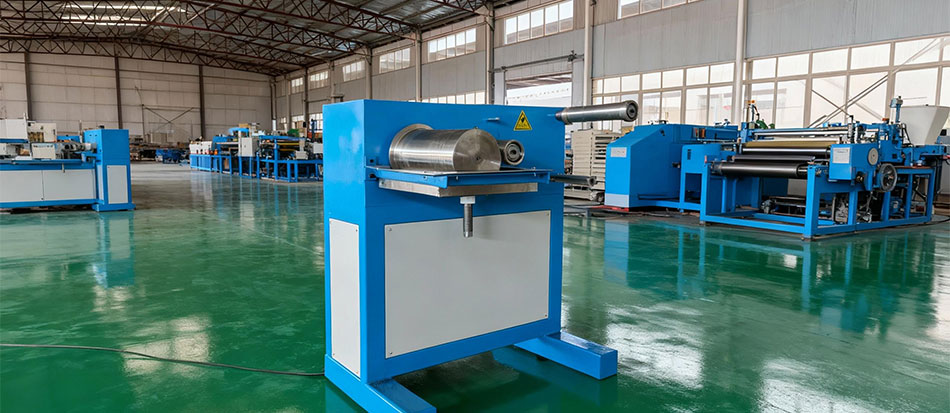
Selecting the right precision micro-tube extrusion line for your clean room is a critical process that extends beyond mere equipment purchase. For you, it's about finding a partner who understands the stringent requirements of ISO Class cleanrooms and can deliver a system engineered for zero particulate generation and easy decontamination. You must evaluate the entire line's compatibility with your clean room protocols, from the material feed system's sealing to the use of polished, crevice-free surfaces on all components.
As a specialist like APEX (Qingdong Apex Machinery Technology Co., Ltd.), we emphasize seamless integration. Our approach involves designing the extrusion line with your specific clean room layout and workflow in mind. This includes optimizing the footprint, ensuring smooth material transfer from preparation to packaging within the controlled environment, and incorporating advanced real-time monitoring systems for SPC (Statistical Process Control) to guarantee consistent, traceable quality for your medical or electronic micro-tubes.
Ultimately, your optimal system is one that functions as a reliable, closed-loop production cell. It should minimize manual intervention to reduce contamination risks while providing the precision and flexibility needed for high-value, small-batch production. Partnering with an experienced provider ensures you gain not just advanced machinery, but also the technical support and validation expertise crucial for maintaining your clean room certification and product integrity.
5.1、Defining Your Tubing Specifications and Clean Room Class
The foundation of selecting the right precision micro-tube extrusion line begins with you clearly defining your final product's exact requirements. You must establish the precise inner diameter (ID), outer diameter (OD), wall thickness, and concentricity tolerances. These dimensions directly dictate the necessary precision of the extruder screw, die, and sizing systems. For instance, producing a 0.5mm OD catheter lumen requires a fundamentally different tooling and control approach than a 2.0mm fluidic channel.
Equally critical is your material specification. You need to identify the polymer resin's grade, melt flow index, and any additives. High-purity, medical-grade materials like Pebax, Nylon, or Polyurethane have specific processing windows for temperature and shear sensitivity. Your extrusion line must be capable of maintaining these parameters with extreme stability to ensure consistent tube properties and prevent material degradation that could generate contaminants.
Concurrently, you must determine the required clean room classification for your manufacturing process, typically based on ISO 14644-1 standards (e.g., ISO Class 7 or ISO Class 8). This classification defines the maximum allowable particle count per cubic meter of air. Your choice dictates the necessary level of integration and protection for the extrusion line. Will the entire line reside inside the clean room, or only the downstream cooling and haul-off sections? This decision impacts the machine's design, material of construction (e.g., stainless steel surfaces), and the need for integrated laminar flow hoods or enclosures.
Finally, you must align these technical specifications with your regulatory pathway. If you are manufacturing for FDA-regulated markets or under ISO 13485, your equipment selection must support full validation (IQ/OQ/PQ) and provide the necessary documentation for material traceability and process control. Defining these parameters upfront ensures the extrusion line supplier can engineer a solution that meets both your product performance and your quality system's rigorous demands.
5.2、Evaluating System Layout for Minimal Footprint and Easy Access
When evaluating a precision micro-tube extrusion line for your clean room, the physical layout is not just about fitting equipment into a space. It's a strategic exercise in optimizing workflow, ensuring sterility, and maximizing your valuable clean room real estate. You must consider how every component interacts within the controlled environment to prevent cross-contamination and facilitate efficient operation and maintenance.
Your primary goal should be a compact, linear, and integrated footprint. Look for systems where the extruder, tooling, cooling tank, laser gauges, and haul-off are designed as a cohesive unit with minimal gaps and dead spaces. These areas can trap particles and become contamination sources. A streamlined layout reduces the travel distance of the extrudate, minimizing the risk of airborne particle adhesion and simplifying the path for your clean room's laminar airflow to sweep contaminants away from the product.
Easy access for maintenance and sanitation is non-negotiable. You need to be able to quickly and safely access key components like the die, sizing sleeves, water baths, and capstans without disrupting the entire line or compromising the clean room environment. Evaluate if panels are easily removable, if service points are logically placed, and if the design allows for ergonomic tool changes and cleaning procedures. This reduces downtime during product changeovers and ensures rigorous cleaning protocols can be followed consistently.
Finally, consider the integration points for material feeding and finished product handling. The layout should seamlessly connect to your upstream resin handling system (often from a separate ISO-classified area) and downstream processes like spooling, packaging, or inline testing. A well-planned layout creates a smooth, continuous flow from raw material to finished micro-tube, eliminating bottlenecks and manual handling that could introduce contamination.
5.3、Ensuring Seamless Validation and After-Sales Support
For a precision micro-tube extrusion line destined for a clean room, the purchase is just the beginning. Your ultimate success hinges on two critical post-installation phases: rigorous validation and robust, long-term support. You must partner with a supplier who treats these not as afterthoughts, but as integral parts of the system delivery.
Validation, particularly Installation Qualification (IQ), Operational Qualification (OQ), and Performance Qualification (PQ), is non-negotiable. Your supplier should provide comprehensive documentation packages and on-site assistance to prove the system is installed correctly, operates within specified parameters in your clean room environment, and consistently produces tubing that meets all your critical quality attributes (CQAs). This documentation is your foundation for regulatory submissions to bodies like the FDA or EMA.
After-sales support is your lifeline for maintaining uptime and product consistency. Look for a provider offering rapid response technical support, readily available spare parts for critical components, and preventive maintenance programs tailored to clean room protocols. Remote diagnostics capability can be invaluable for minimizing contamination risks by reducing unnecessary technician entries into your controlled environment.
Finally, ensure access to ongoing training for your operators and maintenance staff. A well-trained team is essential for maximizing the line's capabilities, executing proper changeovers for different micro-tube specifications, and adhering to the strict cleanliness procedures required in your application. This holistic approach to support transforms a capital investment into a reliable, long-term production asset.
Investing in a precision micro-tube extrusion line for clean room applications is an investment in the future of your high-stakes manufacturing. It provides the foundation for producing flawless, reliable, and compliant components that are critical in medical and electronic fields. The right system not only safeguards your product quality but also enhances your operational efficiency and market reputation.
As you consider integrating this advanced technology into your production, partnering with an experienced and innovative manufacturer is crucial. You need a partner who understands the stringent requirements of clean room production and can deliver a fully integrated, high-performance solution.
For over a decade, Apex (Qingdao Aipake Mechanical Technology Co., Ltd.), a high-tech enterprise specializing in high-end rubber and plastic machinery, has been at the forefront of this technology. Operating from our provincial engineering center and smart production base, we design and manufacture precision extrusion solutions, including our advanced micro-tube lines for clean room applications. Our systems are engineered for intelligence, energy efficiency, and superior performance, serving leading global clients across more than 30 countries. Trust Apex to be your reliable partner in achieving manufacturing excellence for the most demanding applications.
Next Article:橡胶管材真空冷喂料挤出机:如何实现高精度与节能生产?