Guide to Visiting Prefabricated Rubber Track Production Line Factories in China: A Complete Walkthrough
Guide to visiting prefabricated rubber track production line factories in China is your essential first step if you are sourcing high-quality, durable tracks for machinery, sports facilities, or agricultural equipment. This journey can unlock significant value, offering you insights into advanced manufacturing processes, cost efficiencies, and potential long-term partnerships. By planning your visit strategically, you can ensure a productive and enlightening experience that goes beyond a simple factory tour.
China has established itself as a global hub for rubber machinery and prefabricated track production, with numerous factories showcasing cutting-edge technology and scalable solutions. However, navigating this landscape requires preparation to identify the right partners and understand the key aspects of their operations. This guide is designed to equip you with the knowledge needed to make informed decisions and maximize the benefits of your visit.
Whether you are a procurement manager, an engineer, or a business owner, understanding what to look for during a factory visit is crucial. From evaluating technical capabilities to assessing quality control systems, each element plays a vital role in securing a reliable supply chain for your prefabricated rubber track needs.
1、Pre-Visit Preparation and Factory Selection
1.1、Defining Your Technical and Business Requirements
1.2、Researching and Shortlisting Potential Factories
1.3、Scheduling and Logistics Planning for Your Trip
2、Key Areas to Inspect During the Factory Tour
2.1、Raw Material Sourcing and Quality Control
2.2、Core Production Machinery and Process Flow
2.3、In-Process Testing and Final Product QC
3、Evaluating Technical Capability and Innovation
3.1、Assessing R&D Facilities and Engineering Support
3.2、Reviewing Customization and Prototyping Ability
3.3、Understanding Automation and Production Efficiency
4、Post-Visit Follow-up and Partnership Assessment
4.1、Analyzing Quotes and Commercial Terms
4.2、Checking References and Certifications
4.3、Establishing Communication Protocols for Ongoing Projects
1、Pre-Visit Preparation and Factory Selection
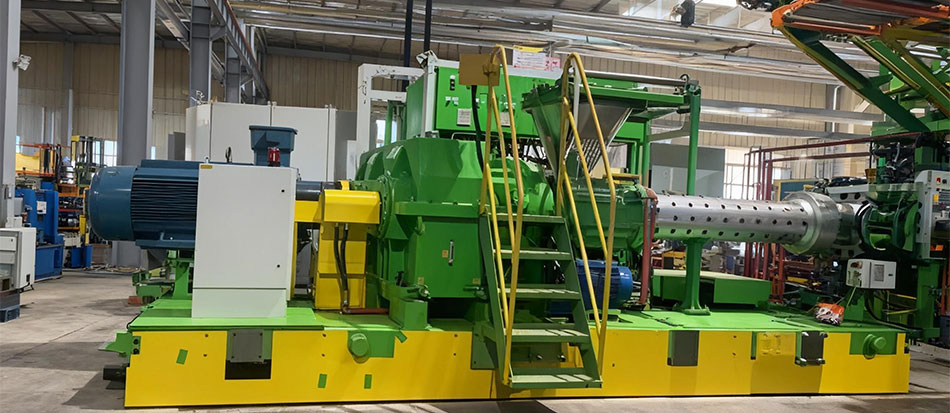
Before you even book your flight, thorough pre-visit preparation is paramount to a successful trip. Your first step should be to clearly define your technical requirements and quality standards for the prefabricated rubber tracks. This clarity will help you filter potential factories effectively. Research is key; utilize industry B2B platforms, trade associations, and existing networks to create a shortlist of manufacturers. Pay close attention to factories like Qingdao Apex Machinery Technology Co., Ltd. (APEX), which, as a high-tech enterprise with a provincial engineering center, exemplifies the advanced R&D and manufacturing capabilities China offers in the rubber machinery sector. Scrutinize their product portfolios—especially their expertise in rubber extrusion and molding lines—to see if their core technology aligns with your track production needs. Verify their international certifications, export experience (serving over 30 countries), and client testimonials. Once you have a list, initiate contact to gauge their responsiveness and professionalism. Clearly communicate your intent to visit, discuss your project scope, and request preliminary technical documentation. This groundwork ensures you only spend time visiting factories with the genuine potential to be your long-term partner.
1.1、Defining Your Technical and Business Requirements
Before you even begin researching factories, you must have a crystal-clear definition of your technical and business requirements. This is the foundational step that will guide every subsequent decision during your visit. Start by detailing the exact specifications of the prefabricated rubber track you need. Consider dimensions (width, thickness, length), the type of rubber compound (e.g., natural rubber, SBR, EPDM for weather resistance), hardness (Shore A), tensile strength, and any special features like flame retardancy, anti-static properties, or specific color requirements.
Beyond the physical product, define your business needs with equal precision. What is your target price range per linear meter or per set? What are your expected annual volumes, and do you foresee scaling up in the future? Understanding your volume is critical as it directly impacts the factory's pricing and their willingness to invest in custom tooling or molds for your specific design. Also, clarify your required lead times and logistics expectations, including packaging, labeling, and incoterms preferences (e.g., FOB, CIF).
Furthermore, consider the application environment of the tracks. Will they be used on heavy machinery subject to extreme abrasion, on sports tracks requiring specific rebound and shock absorption, or in agricultural settings with exposure to chemicals and UV light? Communicating these application details to the factory will allow them to demonstrate their relevant expertise and production lines that are best suited for your project, making your visit far more targeted and efficient.
Finally, document your quality certification requirements. Do you need the factory to be ISO 9001 certified? Are there specific industry standards or testing reports (like SGS, ASTM, DIN) that the final product must comply with? Having this list ready will enable you to immediately verify the factory's capabilities and quality management systems during your tour, separating qualified suppliers from those that are not a fit.
1.2、Researching and Shortlisting Potential Factories
Begin your research by leveraging online B2B platforms such as Made-in-China.com, Alibaba.com, and Global Sources. Use specific keywords like "prefabricated rubber track production line," "rubber track machinery manufacturer," and "custom rubber tracks" to filter results. Pay close attention to supplier profiles, their years in business, and verified certifications like ISO 9001. This initial digital vetting helps you create a broad list of potential candidates.
Next, delve deeper into each shortlisted factory's official website. Analyze their product portfolios, technical specifications, and case studies. Look for evidence of experience in your specific industry, whether it's for construction equipment, agricultural machinery, or sports surfaces. A factory showcasing diverse applications often possesses adaptable technology and problem-solving expertise.
Customer reviews and testimonials are invaluable. Search for independent feedback on the platforms and request references directly from the factories. Contacting their existing clients, especially those with similar order volumes or technical requirements as yours, can provide unfiltered insights into product reliability, after-sales service, and the factory's professionalism in handling international business.
Finally, verify their export credentials and compliance. Ensure the factories have a solid track record of exporting to your region or similar markets. Confirm they possess necessary quality management system certifications and that their products meet relevant international standards (e.g., for sports tracks, DIN or IAAF standards). This due diligence significantly narrows your list to the most credible and compatible partners for a physical visit.
1.3、Scheduling and Logistics Planning for Your Trip
Once you have shortlisted potential prefabricated rubber track production line factories in China, meticulous scheduling and logistics planning become paramount. Your goal is to maximize the value of your time on the ground. Begin by contacting the factory's international sales or project management department well in advance—ideally 4-6 weeks before your intended travel dates. This allows ample time for them to prepare a detailed itinerary, arrange meetings with key personnel (e.g., production managers, quality control heads, R&D engineers), and schedule live demonstrations of their production lines.
When proposing dates, consider major Chinese holidays like Chinese New Year or National Day Golden Week, as factories may be closed or operating with a skeleton staff. It's also wise to avoid Mondays and Fridays if possible, as these days can be less productive for in-depth technical discussions. Clearly communicate the primary objectives of your visit, whether it's auditing their quality management system, witnessing specific production stages like vulcanization or molding, or discussing custom track specifications. This enables the factory to tailor the agenda to your needs.
Logistically, most major rubber machinery and track manufacturing hubs are located in provinces like Shandong, Jiangsu, Zhejiang, and Guangdong. Research the nearest international airport (e.g., Shanghai Pudong, Guangzhou Baiyun, Qingdao Jiaodong) and the domestic travel required to reach the factory city. Factories often offer to arrange local transportation from your hotel or the airport; clarify this in advance. Ensure your visa (typically a business M visa) is secured early, and consider travel insurance that covers business activities.
Finally, build a realistic daily schedule. A productive factory visit usually requires a full day per site. Allocate time for the formal presentation, the factory floor tour, one-on-one technical sessions, and a concluding summary meeting. Always plan for buffer time between appointments, as travel between different plant sections or unexpected discussions can extend longer than anticipated. Having a well-structured plan demonstrates your professionalism and ensures you gather all necessary information to make an informed sourcing decision.
2、Key Areas to Inspect During the Factory Tour
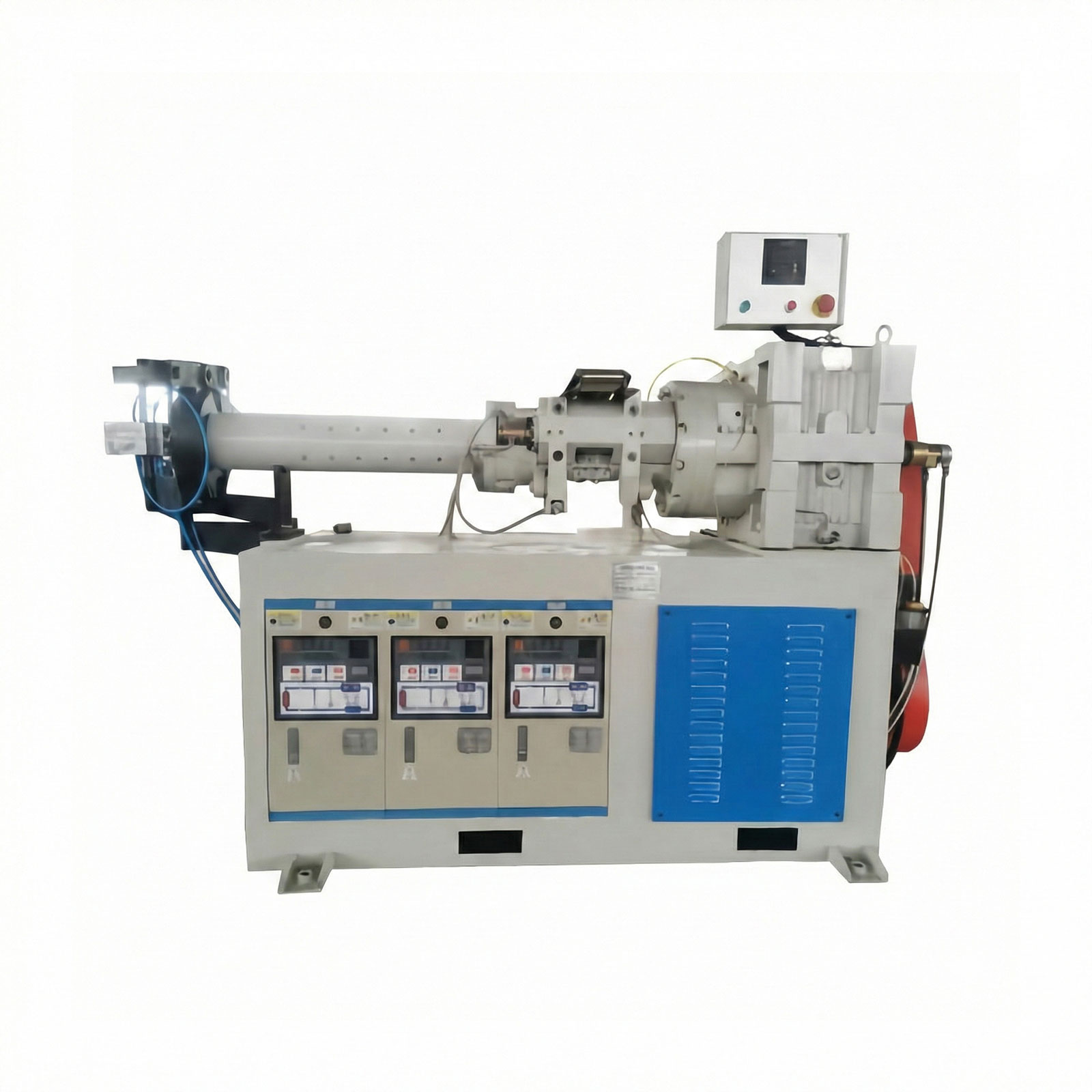
When you visit a prefabricated rubber track production line factory in China, focusing on key operational areas is crucial for a thorough assessment. Your inspection should start with the core manufacturing equipment. Look for advanced extrusion systems and precision control units, similar to the high-precision medical/industrial tubing lines or rubber foaming equipment produced by companies like APEX. This indicates the factory's capability to handle complex rubber compounds and ensure dimensional accuracy for durable tracks.
Next, evaluate the quality control laboratory and testing procedures. A reputable factory will have dedicated spaces for material analysis, tensile strength tests, and aging simulations. Inquire about their quality certifications and the frequency of in-process checks. This mirrors the commitment to excellence seen in established manufacturers who serve global clients across demanding industries.
Finally, observe the workflow and shop floor organization. A clean, logical production flow from raw material mixing to vulcanization and final inspection speaks volumes about operational efficiency and management standards. Pay attention to the skill level of technicians and the integration of automation, as these factors directly impact product consistency and scalability, key considerations for your sourcing decision.
2.1、Raw Material Sourcing and Quality Control
When you step into the raw material storage and inspection area, your primary focus should be on the origin and specifications of the key components. High-quality prefabricated rubber tracks rely heavily on the grade of natural and synthetic rubber, the strength of the fabric or steel cord reinforcement, and the chemical composition of carbon black and other additives. You should inquire about the suppliers' certifications and whether the factory maintains long-term, stable partnerships with reputable raw material producers.
Observe the organization and environmental controls of the storage facility. Proper storage conditions—such as controlled temperature and humidity to prevent material degradation—are a strong indicator of a factory's commitment to quality from the very first stage. Look for clear labeling and batch tracking systems, which are essential for traceability in case any quality issues arise later in the production process.
Next, examine the quality control protocols for incoming materials. A professional factory will have a dedicated lab or inspection station where raw materials are tested against strict internal standards and international benchmarks. You should ask to see test reports for parameters like rubber compound Mooney viscosity, tensile strength of cords, and ash content. Witnessing these procedures firsthand gives you confidence in the consistency and reliability of the final product.
Finally, engage with the technical staff to understand how they handle material deviations. A robust system will have clear procedures for quarantining non-conforming materials and preventing them from entering the production line. This proactive approach to raw material quality control is a critical foundation for manufacturing durable and high-performance prefabricated rubber tracks.
2.2、Core Production Machinery and Process Flow
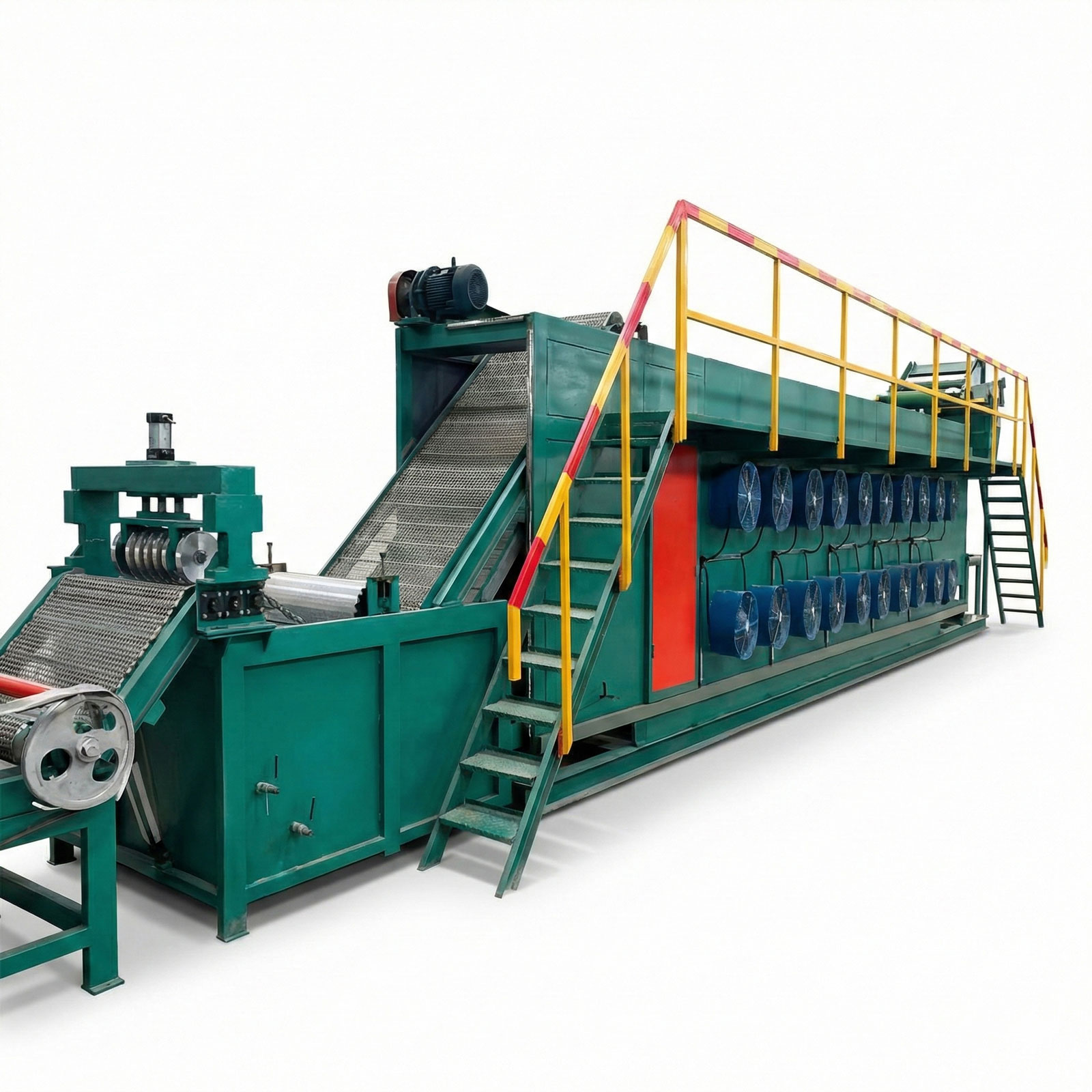
When you step onto the production floor, your primary focus should be on the core machinery and the logical flow of the manufacturing process. This is the heart of the factory's capability. You should observe the sequence from raw material preparation, mixing, and calendering to vulcanization and final finishing. A well-organized, continuous flow with minimal manual handling between stages indicates high efficiency and process control.
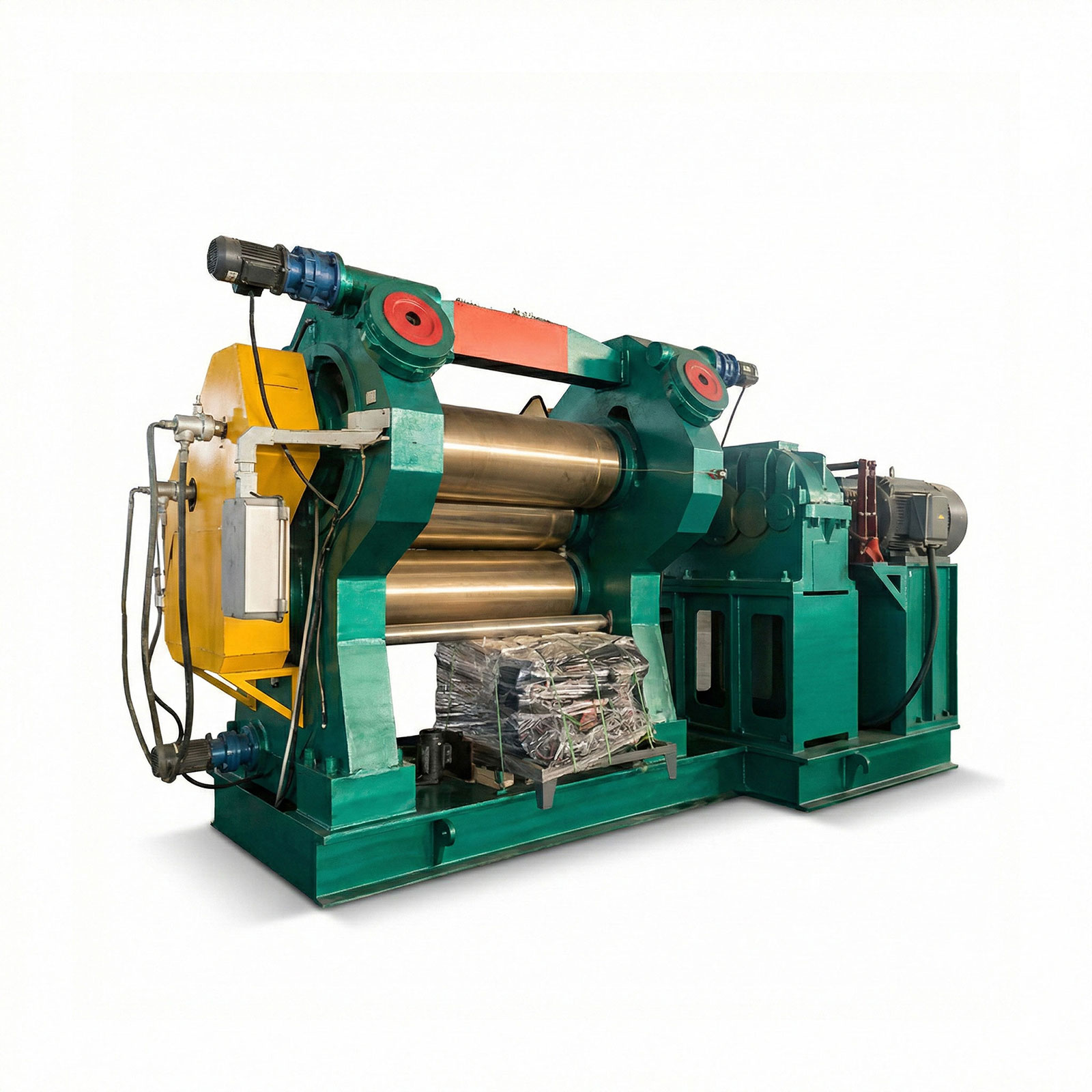
Pay close attention to the internal mixer and the open mill. These machines are responsible for blending the rubber compounds. You need to check their condition, automation level, and how precisely they control temperature and mixing time, as these parameters directly determine the consistency and quality of the rubber compound.
The calendering line is next. Here, the mixed compound is formed into sheets or specific profiles. Inspect the precision of the rollers and the uniformity of the sheet thickness. Any inconsistency here can lead to weak spots in the final track. Following this, the cutting and assembly station should demonstrate accuracy in building the track's layered structure, including fabric or steel cord reinforcement.
The vulcanization press or autoclave is arguably the most critical piece of equipment. You must assess its capacity, temperature and pressure control systems, and the curing cycle management. Modern factories use computer-controlled presses for repeatable, high-quality results. Finally, examine the finishing area for trimming, inspection, and testing equipment, which ensures the track meets dimensional and performance specifications before packaging.
2.3、In-Process Testing and Final Product QC
When you enter the quality control area, your primary focus should be on the integration of testing procedures throughout the production flow. Observe if there are designated checkpoints at critical stages, such as after rubber mixing, calendering, and vulcanization. A robust in-process testing system prevents defects from cascading downstream, saving significant time and material costs. You should look for documented procedures and real-time data logging at these stations, which indicate a systematic approach to process control rather than relying on final inspection alone.
Pay close attention to the specific tests performed. Key in-process tests often include checking the uniformity of rubber compound viscosity, the dimensional accuracy of uncured track sections, and the adhesion strength between different layers. Ask to see the testing equipment, such as Mooney viscometers, thickness gauges, and peel strength testers. The calibration status and maintenance logs of this equipment are a direct reflection of the factory's commitment to measurement accuracy.
The final product Quality Control (QC) station is where the factory's standards are ultimately validated. Here, you must scrutinize the comprehensive battery of tests conducted on finished tracks. This should include, but not be limited to, hardness testing (Shore A), tensile strength and elongation at break, tear resistance, abrasion resistance, and dynamic fatigue testing. Request to review the QC reports and compare the results against international standards like ISO, ASTM, or specific customer specifications to gauge compliance.
Furthermore, assess the sampling methodology. A reliable factory will have a statistically valid sampling plan (e.g., based on AQL levels) rather than ad-hoc checks. Inquire about the disposition of non-conforming products—how they are identified, segregated, and handled. A clear non-conformance process is crucial for preventing defective goods from being shipped. Finally, observe the traceability system. Each finished track or batch should have a unique identifier linking it back to its production date, shift, and raw material lots, which is essential for accountability and continuous improvement.
3、Evaluating Technical Capability and Innovation
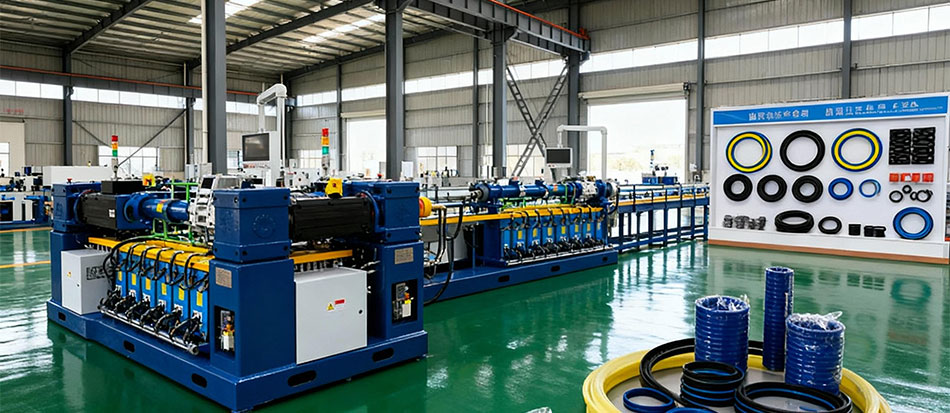
When you visit a prefabricated rubber track production line factory in China, evaluating its technical capability and innovation is paramount. This goes beyond simply seeing machinery in operation; it's about understanding the engineering philosophy, R&D investment, and the factory's ability to solve complex manufacturing challenges. You should look for evidence of a dedicated R&D team, such as an in-house engineering center, and inquire about their process for developing new materials or optimizing production efficiency. For instance, a company like APEX (Qingdao Apex Machinery Technology Co., Ltd.), with its provincial-level engineering technology center, exemplifies a commitment to advanced, energy-saving, and intelligent industrial solutions. Observing their production lines for rubber foam and profiles can give you direct insight into their technical prowess in handling the specific compounds and precision required for high-quality prefabricated tracks.
Pay close attention to the level of automation and control systems. Modern factories integrate sophisticated PLC controls and data monitoring to ensure consistency and reduce waste. Ask about the origin of key components and the software used for process management. Innovation isn't just about the hardware; it's also reflected in the factory's approach to customization and problem-solving. Discuss your specific track requirements—be it for heavy machinery, sports surfaces, or specialized agricultural equipment—and gauge their engineers' ability to propose tailored solutions. A technically capable partner will not just show you a standard line but will demonstrate how their technology can be adapted to meet your unique performance and durability standards, ensuring a product that stands out in your market.
3.1、Assessing R&D Facilities and Engineering Support
When you step into the R&D department of a prefabricated rubber track factory, you are looking at the heart of its future competitiveness. Your assessment should begin by observing the physical setup: Is there a dedicated, well-equipped laboratory for material testing and formulation? Modern R&D facilities typically include advanced equipment like rheometers, tensile testers, aging test ovens, and dynamic mechanical analyzers. These tools are essential for developing new rubber compounds that offer superior wear resistance, weatherproofing, and performance under specific loads and conditions.
Beyond the hardware, you must evaluate the human capital and the process. Engage with the engineering team to understand their approach to problem-solving and innovation. Ask about their recent projects: Have they developed tracks for new applications, such as extreme-temperature environments or specialized agricultural machinery? The depth of their engineering support is a critical indicator. A strong team doesn't just follow standard recipes; they collaborate with clients to customize track designs, tread patterns, and reinforcement materials based on specific operational challenges you might face.
Furthermore, inquire about their prototyping capabilities and the speed of iteration. A factory with a streamlined process from design to prototype production allows for faster validation and refinement of your requirements. This agility is a direct result of integrated R&D and engineering support, ensuring that innovative ideas can be translated into reliable, manufacturable products efficiently, ultimately saving you time and reducing project risk.
3.2、Reviewing Customization and Prototyping Ability
When you step into the factory, your primary focus should be on how the production line handles non-standard requirements. Observe if the facility has dedicated areas or separate lines for custom orders. A factory with strong customization ability will have flexible mixing systems, adjustable molding presses, and a variety of mold storage, indicating they can efficiently switch between standard and bespoke production runs without major downtime.
Directly inquire about their prototyping process. A capable partner will have a clear, step-by-step workflow from your initial design or sample to a functional prototype. They should be able to explain how they translate your specifications into material formulations, mold design (including cost and lead time for new molds), and small-batch trial production. This transparency is a key indicator of their technical depth and commitment to collaboration.
Assess the communication and engineering support during this phase. Do they assign a project engineer to discuss technical details? Their ability to offer constructive feedback on your design for manufacturability, durability, or cost optimization is invaluable. This collaborative problem-solving approach during prototyping often predicts the success of the final product and the long-term partnership.
Finally, request to see examples of past customized projects or prototypes. Examining physical samples of different track profiles, compound colors, or embedded features gives you tangible proof of their capability. This review allows you to judge the finish quality, dimensional accuracy, and material consistency they can achieve for specialized orders, ensuring they can meet your unique application needs.
3.3、Understanding Automation and Production Efficiency
When you step onto the factory floor, your primary focus should be on the level of automation integrated into the prefabricated rubber track production line. High automation directly correlates with production efficiency, consistency in product quality, and often, long-term cost savings for you. Look for automated systems in material handling, mixing, calendering or extrusion, vulcanization, and final cutting. The seamless integration of these stages minimizes human error and maximizes throughput.
Pay close attention to the control systems. Modern factories employ Programmable Logic Controllers (PLCs) and Human-Machine Interfaces (HMIs) that allow for precise control over temperature, pressure, and curing times during vulcanization. Ask the engineers to demonstrate how parameters are set and monitored. This precision is critical for ensuring the rubber compound's physical properties, such as tensile strength and abrasion resistance, meet your specifications consistently across every batch.
Evaluate the production line's Overall Equipment Effectiveness (OEE). A forward-thinking factory will track metrics like availability, performance, and quality rate. Inquire about their OEE figures and how they use this data for continuous improvement. A high OEE indicates a well-maintained, efficient line with minimal downtime, which translates to reliable delivery schedules for your orders.
Finally, assess the factory's approach to innovation in automation. Do they invest in R&D for smarter manufacturing? Are they utilizing data analytics from the production line to predict maintenance needs or optimize processes? A factory that prioritizes technological advancement is not just a supplier but a strategic partner capable of evolving with your future product requirements and market demands.
4、Post-Visit Follow-up and Partnership Assessment
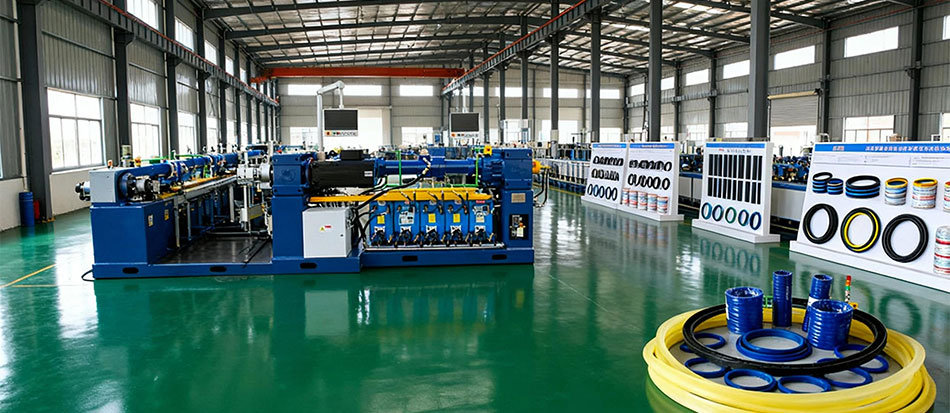
After concluding your visit to prefabricated rubber track production line factories in China, the post-visit follow-up is a critical phase for solidifying potential partnerships. You should promptly organize your notes, comparing the technical capabilities, quality control processes, and production scalability you observed across different facilities. For instance, when evaluating a technologically advanced partner like APEX (Qingdao Apex Machinery Technology Co., Ltd.), you would assess how their integrated R&D, manufacturing, and sales model, along with their focus on advanced and intelligent industrial solutions, aligns with your specific requirements for durable and high-performance tracks. Sending a structured thank-you email that references specific discussions about their rubber machinery expertise or their global service footprint can demonstrate your serious interest and attention to detail.
Your partnership assessment should move beyond initial impressions to a thorough evaluation of long-term viability. Analyze the factory's communication responsiveness, their willingness to provide detailed technical data or custom solutions, and the clarity of their commercial terms. Consider how a company's commitment to innovation, as seen in APEX's provincial engineering center and its diverse product range for sectors like automotive and construction, translates into a reliable supply chain for your prefabricated rubber tracks. This phase is about verifying if the factory can truly be a strategic partner capable of meeting your quality, volume, and innovation needs consistently over time.
4.1、Analyzing Quotes and Commercial Terms
After your visit, you will likely receive detailed quotes and commercial terms from the factories. Your first step is to conduct a thorough, line-by-line analysis. Do not just compare the bottom-line price. Scrutinize the itemization: raw material specifications (e.g., SBR/NR blend ratios), layer thickness, reinforcement fabric type, and the unit of measurement (per meter, per square meter, per roll). Ensure the quote explicitly matches the product specifications and quality standards you observed and discussed on the factory floor.
Pay close attention to the commercial terms, particularly Incoterms (e.g., FOB, CIF, EXW). Understanding who bears the cost and risk at each stage of shipping is critical for your total landed cost calculation. A seemingly low FOB price can be misleading if logistics and insurance costs are high. Clarify payment terms (T/T, L/C), deposit requirements, and the payment schedule linked to production milestones and shipment.
Evaluate the validity period of the quote. Prices for raw materials like rubber and carbon black can fluctuate. A factory offering a firm quote for a reasonable period demonstrates better supply chain management and pricing stability. Also, analyze the terms for minimum order quantity (MOQ), lead time, and packaging details. These factors directly impact your inventory planning and operational flexibility.
Finally, cross-reference the quote with your on-site observations. Does the quoted production capacity align with the machinery you saw? Are the quality control certifications mentioned in the terms the same ones displayed in the factory? Any discrepancy here is a red flag. A transparent and detailed quote that aligns with the factory's demonstrated capabilities is a strong indicator of a reliable and professional partner.
4.2、Checking References and Certifications
After your factory tour, a critical step is to systematically verify the manufacturer's claims by checking their references and certifications. This is not a mere formality but a due diligence process that validates their technical competence, production consistency, and market reputation. You should request a formal list of past and current clients, particularly those in your region or industry. Contacting these references directly allows you to gather unbiased feedback on product quality, delivery reliability, and post-sales support.
In parallel, scrutinize the factory's certifications. Key international standards to look for include ISO 9001 for quality management systems, ISO 14001 for environmental management, and specific product certifications relevant to your application, such as those for sports surfaces or industrial safety. A factory with robust certifications demonstrates a commitment to standardized processes and continuous improvement, which translates to more predictable and higher-quality outputs for your projects.
Do not accept certificates at face value. Verify their authenticity and validity period through the issuing accreditation bodies' online databases. This step protects you from potential misrepresentation. Furthermore, inquire about any in-house testing facilities and their calibration status. A factory that invests in rigorous internal quality control, backed by external certifications, is often a more reliable and technically capable partner for your prefabricated rubber track supply chain.
4.3、Establishing Communication Protocols for Ongoing Projects
Establishing clear communication protocols is not an administrative afterthought; it is the operational backbone of a successful partnership. After your visit, you must formalize these protocols to ensure that information flows efficiently, issues are resolved promptly, and project milestones are met. This involves defining the primary points of contact on both sides, specifying their roles, and agreeing on the preferred channels for different types of communication.
You should insist on a structured reporting schedule. This typically includes weekly or bi-weekly progress updates, which may consist of production status reports, quality inspection summaries, and logistics tracking. The factory should provide these updates in a standardized format you both agree upon, ensuring you can quickly assess the project's health without needing to chase for information.
Furthermore, define escalation paths for critical issues. If a technical problem arises during production or a shipment is delayed, you need to know exactly who to contact beyond the daily project manager. Having a pre-agreed escalation matrix that includes senior management from both your company and the factory prevents minor issues from becoming major crises and demonstrates a commitment to joint problem-solving.
Finally, leverage technology to streamline communication. Encourage the use of project management platforms, shared cloud drives for documents and drawings, and dedicated communication channels (e.g., enterprise chat groups). This creates a transparent, searchable record of all decisions, changes, and instructions, minimizing misunderstandings and ensuring both parties are always aligned on project specifications and expectations.
Following this comprehensive guide to visiting prefabricated rubber track production line factories in China will significantly enhance your sourcing journey. It empowers you to ask the right questions, observe critical details, and build confidence in your potential manufacturing partners. A well-executed visit is more than an inspection; it's the foundation for a successful and transparent business relationship.
Remember, the goal is to find a factory that aligns with your specific requirements for quality, capacity, innovation, and communication. Taking the time to thoroughly prepare and engage during your visit will pay dividends in product performance, supply chain stability, and overall project success. Your due diligence today ensures a smoother partnership tomorrow.
As you explore the dynamic landscape of Chinese manufacturing, consider connecting with industry leaders who exemplify these standards. For instance, Qingdao Apex Machinery Technology Co., Ltd. (International Brand: APEX), founded in 2014, is a high-tech enterprise specializing in the R&D, manufacturing, and sales of high-end rubber and plastic machinery. Operating from a provincial-level engineering center and an intelligent production base, Apex offers advanced, energy-efficient, and intelligent industrial solutions. Their expertise spans across critical areas including rubber processing equipment, serving a global clientele in over 30 countries. Partnering with an innovator like Apex can provide you with the technological edge and reliable support essential for your prefabricated rubber track projects.
Next Article:寻找生产微波硫化线的中国合作伙伴:与艾派克(APEX)共筑高效节能的橡胶硫化未来