Differences between PTT and PET Wig Fiber Production Equipment: A Comprehensive Guide
Differences between PTT and PET wig fiber production equipment are crucial for manufacturers aiming to optimize quality, efficiency, and cost. Understanding these distinctions helps you make informed decisions when selecting machinery for your synthetic hair production line.
As a key player in the industry, you know that the choice of polymer—PTT (Polytrimethylene terephthalate) or PET (Polyethylene terephthalate)—directly impacts the final wig's texture, durability, and processing requirements. The equipment must be precisely engineered to handle the unique characteristics of each material.
This guide will walk you through the core variations in production machinery, from extrusion to finishing, ensuring you grasp the technical nuances that define successful wig fiber manufacturing.
1、Core Material Properties and Processing Requirements
1.1、Molecular Structure and Thermal Behavior
1.2、Melt Viscosity and Flow Characteristics
1.3、Required Drying and Crystallization Steps
2、Key Differences in Extrusion System Design
2.1、Screw and Barrel Configuration
2.2、Temperature Profile and Control Precision
2.3、Spin Pack and Die Head Adaptations
3、Variations in Drawing and Heat-Setting Equipment
3.1、Godet Roll Arrangements and Speed Control
3.2、Heating Zone Design for Orientation
3.3、Annealing and Relaxation Processes
4、Downstream Handling and Finishing Considerations
4.1、Cutting and Crimping Mechanisms
4.2、Surface Treatment and Coating Application
4.3、Final Packaging and Quality Control Integration
1、Core Material Properties and Processing Requirements
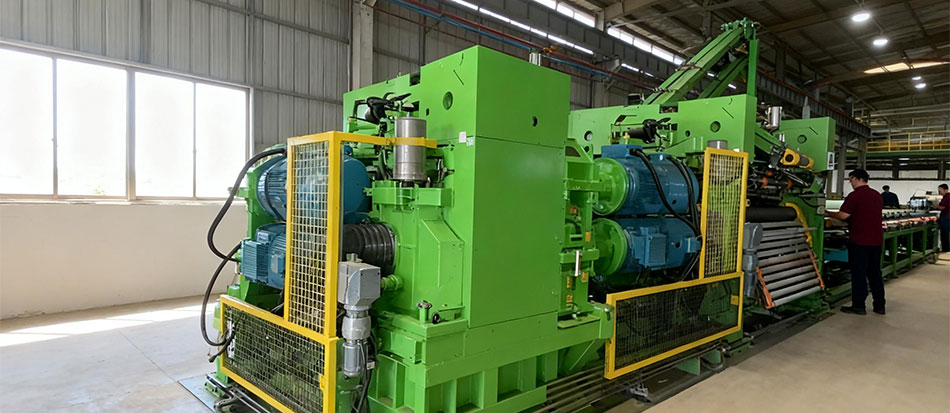
When you choose between PTT and PET for wig fiber production, the core material properties dictate specific processing requirements for your equipment. PTT fiber, known for its superior elasticity, softness, and dyeability, requires extrusion and drawing equipment that can handle its distinct thermal profile and stress-strain behavior during crystallization. In contrast, PET fiber, while cost-effective and offering excellent strength, has different melt viscosity and requires precise temperature control to achieve the desired luster and texture. As a manufacturer like APEX, we engineer our extrusion lines with tailored screw designs, heating zones, and quenching systems to accommodate these polymer-specific needs. Our advanced R&D center focuses on optimizing these parameters, ensuring your production line—whether for PTT's luxurious feel or PET's durable performance—operates at peak efficiency and delivers consistent, high-quality synthetic hair.
1.1、Molecular Structure and Thermal Behavior
When you examine PTT at a molecular level, you'll find its polymer chain incorporates a three-carbon diol unit (trimethylene glycol). This structure grants the chain a natural helical conformation and superior elasticity. For your production equipment, this means the extrusion and drawing processes must accommodate a lower initial modulus and a specific thermal profile. PTT typically has a melting point around 228°C, and its glass transition temperature is approximately 45-65°C, which is lower than PET's.
In contrast, PET's molecular chain is more rigid and linear, derived from ethylene glycol. This results in higher tensile strength and less inherent stretch. Your machinery for PET must be calibrated for higher processing temperatures, as its melting point is around 250-260°C, and it has a higher glass transition temperature of about 70-80°C. This fundamental difference dictates the entire thermal management system of your production line.
The thermal behavior directly impacts your equipment's extruder and spinneret design. For PTT, you need precise temperature control in a lower range to prevent thermal degradation while achieving proper melt flow. The drawing zones must also apply tension more gently to align the spring-like molecules without breaking them, capitalizing on their elastic recovery.
For PET fiber production, your equipment must deliver and sustain higher thermal energy consistently. The drawing process is more aggressive to achieve high orientation and crystallinity, which gives PET fibers their characteristic strength and luster. The cooling and quenching systems are therefore designed for a different heat dissipation profile compared to PTT lines.
1.2、Melt Viscosity and Flow Characteristics
When you process PTT, you encounter a polymer with a significantly lower melt viscosity compared to PET under standard processing temperatures. This inherent low viscosity of PTT means it flows more readily and requires less shear force during extrusion. Your equipment, therefore, must be designed with precise temperature control zones to prevent overheating and thermal degradation, as PTT's flow is highly sensitive to temperature fluctuations.
In contrast, PET has a higher melt viscosity and is more shear-sensitive. Your PET extrusion line needs robust screw designs that can generate sufficient shear to properly melt and homogenize the polymer without causing excessive pressure build-up. The flow characteristics demand a steeper temperature profile and often higher barrel temperatures to achieve optimal melt quality for fiber spinning.
This fundamental difference dictates your choice of extruder screw geometry, metering pump specifications, and spin pack design. For PTT, you need equipment that can gently convey and meter a low-viscosity melt, ensuring consistent flow to each spinneret hole. For PET, the machinery must handle a more viscous, less forgiving melt, requiring greater mechanical precision to maintain filament uniformity.
1.3、Required Drying and Crystallization Steps
When you process PTT, the required drying step is less intensive than for PET. PTT chips have a lower moisture regain and are less hygroscopic, meaning they absorb less water from the atmosphere. Your drying equipment for PTT typically needs to achieve a moisture content below 50 ppm, and the process can be shorter or at a slightly lower temperature, around 120-140°C, to prevent thermal degradation and hydrolysis during melt spinning.
For PET, the drying requirement is far more critical and stringent. PET is highly susceptible to hydrolysis, which severely degrades its molecular weight and final fiber strength. Your equipment must dry PET chips to an extremely low moisture content, often below 30 ppm. This necessitates a more robust, often two-stage drying system (e.g., a pre-dryer followed by a dehumidifying dryer) operating at higher temperatures, typically between 160-180°C, for a longer residence time to ensure thorough drying.
The crystallization step also differs significantly. PET chips are amorphous and sticky when heated. Your production line must include a dedicated crystallizer to heat the chips to 160-180°C, transforming them into a crystalline, non-sticking form suitable for the high-temperature drying and subsequent melting. This step is essential to prevent clumping in the dryer and extruder.
In contrast, PTT has a lower glass transition temperature and crystallizes more readily. While crystallization is still often performed, the conditions are milder. Your equipment for PTT crystallization typically operates at a lower temperature range of 110-130°C. The process is generally faster and less energy-intensive, as PTT's inherent crystallization kinetics are more favorable, reducing the risk of agglomeration during pre-treatment.
2、Key Differences in Extrusion System Design
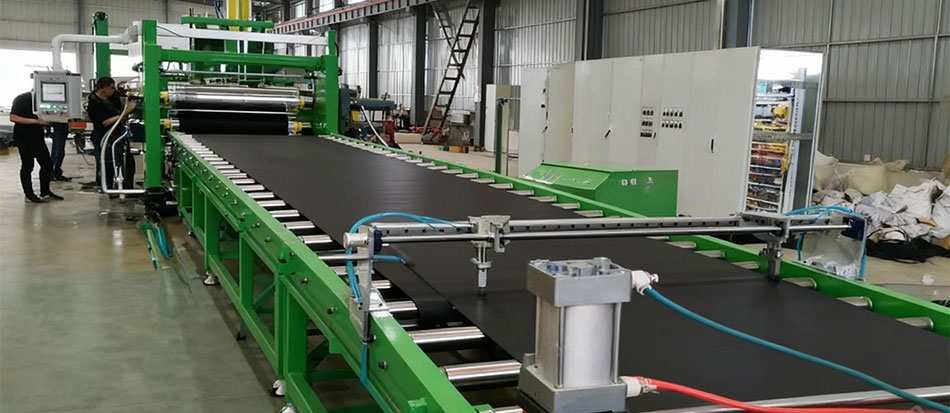
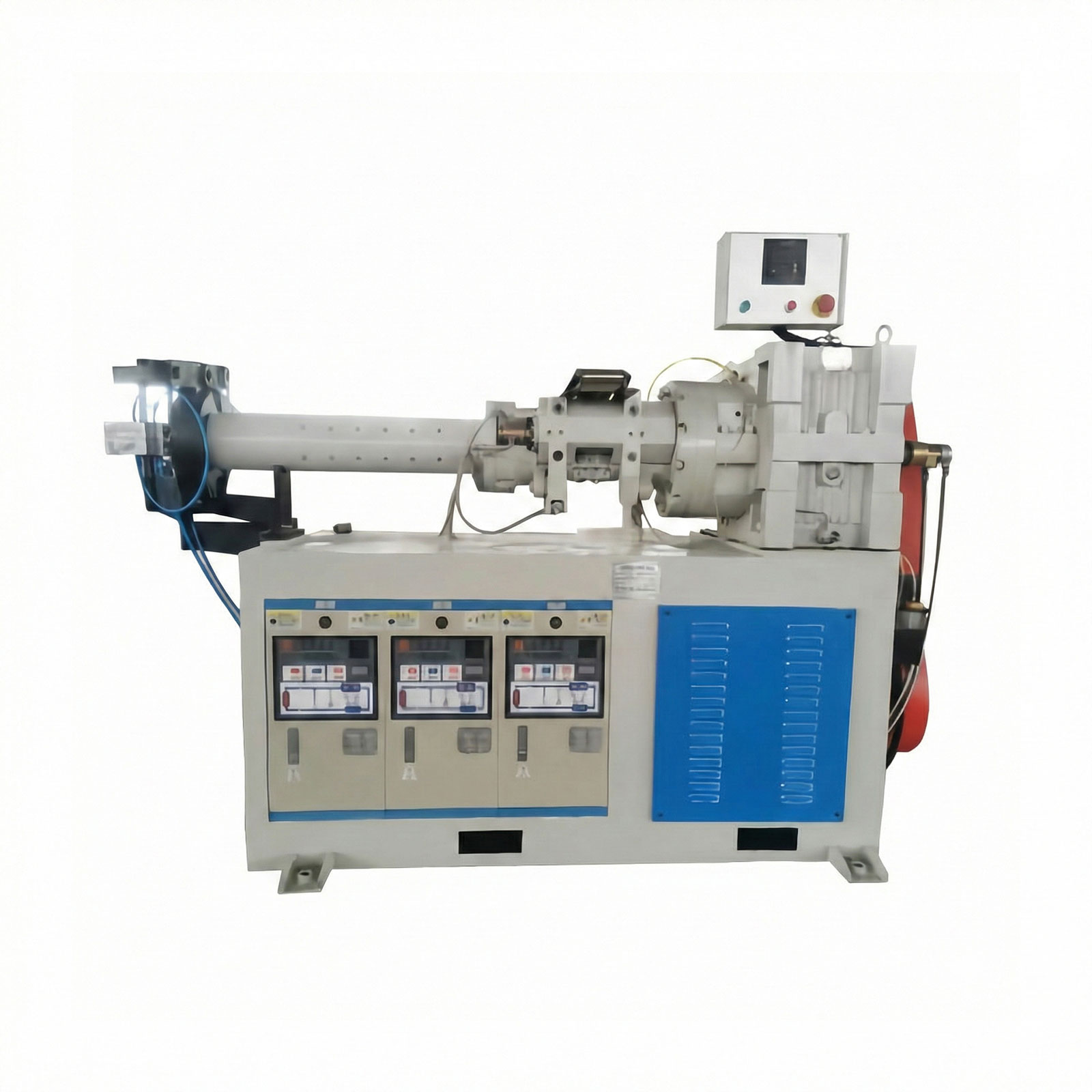
When you delve into the extrusion system design for PTT and PET wig fiber production, the differences become immediately apparent and are critical for achieving the desired fiber properties. For PTT, which has a lower melting point and different crystallization behavior than PET, the extrusion equipment requires precise temperature control zones and a modified screw design to handle its specific shear sensitivity and melt viscosity. This ensures the PTT polymer flows smoothly without degradation, preserving its inherent softness and elastic recovery. In contrast, PET processing demands higher temperatures and a screw geometry optimized for its higher melting point and different rheology to achieve the necessary molecular orientation and strength. As a manufacturer like APEX, which specializes in high-precision extrusion systems, we engineer our equipment with these distinct polymer characteristics in mind. Our extrusion lines for synthetic fibers incorporate advanced control systems and tailored screw/barrel configurations to maximize output quality and energy efficiency, whether you are processing PTT for a bouncy, hair-like feel or PET for high-tenacity fibers.
2.1、Screw and Barrel Configuration
When you process PTT, the screw design must prioritize gentler shear and lower processing temperatures compared to PET. PTT has a lower melting point and is more sensitive to thermal degradation. Therefore, the screw typically features a longer compression zone and a shallower channel depth to ensure a gradual, controlled melt without excessive shear heat generation.
For PET wig fiber production, the screw configuration is designed for higher temperatures and more aggressive mixing. PET requires higher melting and processing temperatures to achieve optimal molecular orientation and strength. The screw often incorporates mixing sections or barriers to ensure complete homogenization of the melt and to handle its higher melt viscosity effectively.
The barrel heating and cooling zones are also configured differently. For PTT, precise and responsive temperature control is critical to prevent overheating. In contrast, PET equipment requires robust heating capabilities to maintain the higher necessary temperature profile consistently along the barrel length, with cooling zones strategically placed to manage the heat generated by the higher shear rates.
2.2、Temperature Profile and Control Precision
When you process PTT, the temperature profile is significantly lower than for PET. Your extrusion system must be capable of operating stably in a range typically between 240°C to 260°C for PTT, whereas PET requires a higher range of 280°C to 300°C. This fundamental difference demands that your equipment's heating zones and thermal sensors are calibrated for precise control at these distinct operational windows.
The control precision for PTT is exceptionally critical due to its lower melting point and higher sensitivity to thermal degradation. Even minor fluctuations beyond the optimal range can lead to polymer degradation, resulting in yellowing, reduced strength, and poor dyeability in the final fiber. Your system must therefore feature high-resolution PID controllers and responsive heating/cooling mechanisms to maintain a flat, stable temperature profile along the entire barrel.
For PET processing, while thermal stability is also important, the margin for error is slightly broader due to its higher thermal stability. However, achieving the precise crystalline structure for high-quality wig fiber still requires tight control. The key difference lies in the system's design priority: for PTT equipment, the overriding focus is on preventing overheating; for PET, it's on ensuring complete and uniform melting at higher energies.
Consequently, the temperature control system in a PTT-dedicated line often incorporates more cooling capacity and faster feedback loops. You will find that the thermal mapping and sensor placement are optimized to detect and correct deviations instantly, a feature that is beneficial but not as stringently required in a standard PET extrusion setup designed for textile fibers.
2.3、Spin Pack and Die Head Adaptations
When you process PTT, the spin pack and die head must accommodate its lower melt viscosity and distinct crystallization behavior compared to PET. For PTT, you typically require a spin pack designed with finer filtration and more precise metering zones to ensure uniform polymer flow and prevent degradation, as PTT is more sensitive to thermal history.
The die head (spinneret) design is fundamentally different. For PET fibers, spinneret hole shapes are often standard circular or trilobal to achieve specific luster and feel. For PTT, which aims to mimic human hair's softness and bounce, spinnerets frequently feature more complex, irregular cross-sectional profiles. You need equipment that can accurately form and maintain these intricate shapes under PTT's specific processing temperatures.
Furthermore, the quenching system immediately below the die head must be adapted. PTT requires a gentler, more controlled cooling profile to properly set its unique molecular structure and achieve the desired elastic recovery. Your equipment's spin pack and die head assembly must integrate seamlessly with this tailored quenching environment, which is less critical for standard PET wig fiber production.
3、Variations in Drawing and Heat-Setting Equipment

When you move to the drawing and heat-setting stages, the equipment differences between PTT and PET wig fiber production become even more pronounced. For PET fibers, which are inherently stiffer, your drawing equipment must apply higher tension over multiple stages to achieve the desired molecular orientation and tenacity. The heat-setting ovens for PET typically require precise, higher temperature zones to lock in the fiber's structure and reduce shrinkage. In contrast, PTT fiber, with its superior elasticity and lower modulus, demands gentler drawing tension and lower heat-setting temperatures. Your equipment must be finely tuned to avoid over-stressing the PTT polymer chains, preserving its natural softness and stretch recovery. As a manufacturer like APEX, we engineer our drawing frames and thermal stabilizers with adjustable parameters and intelligent controls, allowing you to seamlessly switch between PTT and PET processing protocols, ensuring optimal fiber properties for either luxurious, resilient wigs or highly durable, cost-effective ones.
3.1、Godet Roll Arrangements and Speed Control
When you process PTT fibers, the godet roll arrangement must accommodate its inherent elasticity and lower melting point. Typically, you'll employ a multi-stage drawing system with precise, independent temperature control for each godet. The first set of rolls operates at a lower speed and temperature to initiate orientation without causing excessive stress, while subsequent stages progressively increase speed and heat to achieve the desired crystallinity and shrinkage properties unique to PTT.
For PET fiber production, the godet system is designed for higher stress and thermal stability. You often use a simpler, high-tension two-stage drawing process. The first godet set runs at a controlled speed to pre-heat and slightly draw the fiber, followed immediately by a high-speed second set that performs the primary drawing. The temperature of these rolls is significantly higher than for PTT, often exceeding 80°C, to effectively overcome PET's higher glass transition temperature and induce permanent molecular alignment.
Speed control is paramount. With PTT, you must carefully balance the draw ratio and roll speeds to avoid over-stretching, which can lead to breakage, or under-stretching, which fails to develop the fiber's optimal softness and recovery. The control system needs fine-tuned synchronization, as even minor speed fluctuations can alter the final fiber's denier and mechanical properties dramatically.
In contrast, PET processing demands robust, high-torque drives to maintain consistent speed under substantial tension. Your control system focuses on maintaining absolute speed stability between godet groups to ensure a uniform draw ratio. Any slippage or variation here directly translates into inconsistencies in fiber tenacity and elongation, which are critical for wig durability and feel.
3.2、Heating Zone Design for Orientation
When designing heating zones for orientation in PTT wig fiber production, you need to focus on precise, multi-stage temperature control. PTT's lower glass transition temperature (Tg) and unique crystallization behavior require a carefully graduated heating profile. Typically, you will implement multiple controlled heating zones that gradually increase the temperature to allow the PTT polymer chains to align smoothly without causing thermal degradation or uneven crystallization, which is crucial for achieving the fiber's signature softness and elastic recovery.
In contrast, the heating zone design for PET fiber orientation demands higher and more intense thermal energy. PET has a higher Tg and requires a sharper, more defined heat-setting process to achieve the necessary molecular orientation and crystallinity for strength and luster. Your equipment must deliver high, stable temperatures rapidly and maintain them consistently across the drawing zone to ensure the polymer chains are fully stretched and set, resulting in the high-tenacity fiber expected for many PET-based wigs.
The key operational difference lies in the thermal sensitivity and response. For your PTT lines, the heating system must be exceptionally responsive to fine adjustments to prevent overheating, as PTT is more susceptible to damage at high temperatures. For PET lines, robustness and high thermal capacity are paramount. This fundamental divergence means the heating elements, sensors, and control algorithms in the two equipment types are engineered for distinctly different thermal management regimes.
3.3、Annealing and Relaxation Processes
For PTT fiber production, the annealing and relaxation process is critical for developing its signature softness and elastic recovery. You typically use a two-stage heat-setting process. The first stage involves a lower temperature, often between 110°C to 130°C, to partially crystallize the fiber and relieve internal stresses from drawing. The second stage employs a slightly higher temperature under controlled tension or overfeed to allow the polymer chains to relax further, enhancing the fiber's natural crimp and stretch properties. Your equipment must provide precise temperature control and variable speed control for the conveyor or godet rollers to manage this delicate relaxation phase effectively.
In contrast, PET fiber annealing requires higher temperatures, generally in the range of 180°C to 220°C, to achieve sufficient crystallization and dimensional stability. Your equipment for PET is designed for more aggressive heat-setting. The process is often a single-stage, high-temperature treatment under specific tension to lock in the fiber's shape, eliminate shrinkage, and set its luster and straight texture. The machinery must have robust heating elements and efficient heat transfer systems to handle these elevated temperatures consistently across the fiber bundle.
The core difference lies in the thermal profile and the objective. With PTT, your goal is to preserve and enhance its inherent elasticity, so the process is gentler and more about stress relief. For PET, the goal is to achieve high thermal stability and a permanent set, requiring a more intense thermal treatment. Therefore, your PTT annealing ovens might have longer, multi-zone chambers with precise low-temperature zones, while PET ovens are optimized for high-temperature efficiency and shorter dwell times.
Furthermore, the relaxation mechanism differs. PTT fibers often undergo a significant overfeed (allowing the fiber to contract) during annealing to develop bulk and crimp. Your equipment needs sensitive tension control systems to facilitate this. For PET wig fibers, which are usually produced straight or with a set wave, the process maintains a controlled, often higher tension to prevent shrinkage and maintain alignment, requiring equipment with stable, high-precision tension control.
4、Downstream Handling and Finishing Considerations
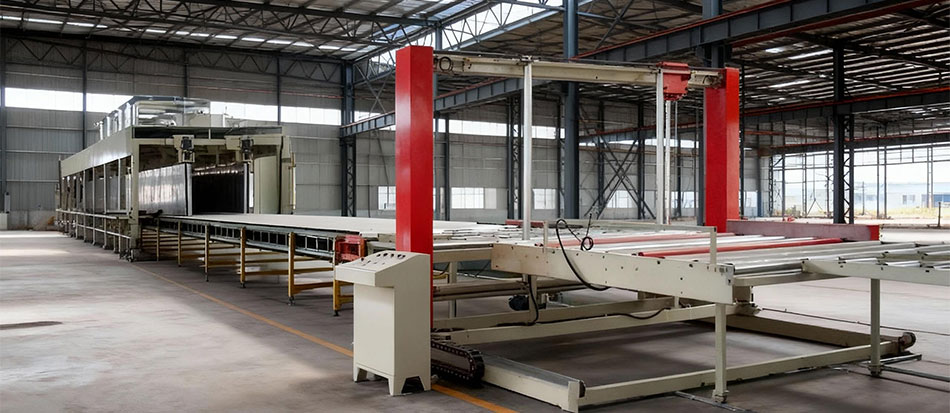
When you move to the downstream handling and finishing stages, the differences between PTT and PET wig fiber production equipment become even more pronounced. For PTT fibers, which are prized for their softness and elastic recovery, the equipment must gently handle the filaments to preserve their inherent stretch and texture. This often involves specialized winding and tension control systems that prevent over-stretching. In contrast, PET fibers, being more rigid, require robust cutting and bundling equipment that can manage their higher stiffness without causing breakage or fuzzing.
As a manufacturer like APEX, which specializes in high-precision extrusion and downstream solutions, you understand that the finishing line—including heat-setting, crimping, and coating processes—must be precisely calibrated for the polymer. For instance, the temperature profiles in heat-setting ovens differ significantly; PTT requires lower temperatures to avoid damaging its molecular structure, while PET can withstand higher thermal settings for better shape retention. Integrating intelligent control systems, a hallmark of APEX's advanced machinery, allows you to seamlessly adjust these parameters, ensuring consistent quality whether you're processing PTT for luxury wigs or PET for more economical lines.
Ultimately, your choice in downstream equipment directly impacts the final wig's hand feel, durability, and aesthetic appeal. By selecting machinery engineered for the specific polymer—like the tailored solutions offered by APEX—you optimize production efficiency and deliver fibers that meet exact market demands, reinforcing your competitive edge in the global synthetic hair industry.
4.1、Cutting and Crimping Mechanisms
When you move from extrusion to shaping the fiber, the cutting and crimping mechanisms for PTT and PET wig fibers diverge significantly. For PET fibers, which are inherently stiffer, the cutting process often employs high-precision rotary blades that can deliver a clean, sharp cut without causing excessive fraying. The crimping for PET typically requires more aggressive mechanical or thermal setting to create a permanent wave, as the fiber has higher crystallinity and less natural elasticity to hold a curl.
In contrast, PTT fiber's inherent elasticity and softer hand demand a gentler approach. Your cutting equipment must use extremely sharp blades and potentially controlled tension to prevent the fiber from stretching and retracting unevenly during the cut. The crimping process for PTT is notably different; it often utilizes a combination of heat and pressure but at lower temperatures than PET. The goal is to set the crimp by exploiting PTT's excellent elastic recovery, meaning the curl is more resilient and bouncy.
The machinery design reflects this. PET crimping units might have stronger, more heated godet rollers and tighter crimping gears to deform the fiber permanently. For PTT, the equipment is engineered to apply a precise, less damaging crimp that the fiber's molecular structure can "remember." This results in a more natural-looking wave that withstands washing and styling better than the sometimes harsher, more artificial-looking crimp possible with standard PET.
Therefore, your equipment selection here is critical. Using PET-optimized cutting and crimping on PTT fiber can damage its structure, reduce luster, and impair its prized elastic properties. Conversely, PTT-specific machinery on PET may fail to impart a durable crimp. Understanding these mechanical nuances ensures the downstream processes enhance, rather than degrade, the unique qualities of each polymer you are processing.
4.2、Surface Treatment and Coating Application
For PTT fiber, your surface treatment equipment must be designed to apply coatings that enhance its inherent softness, elasticity, and natural luster. The application systems, often involving precision spray or dip-coating methods, need to operate at lower temperatures to prevent compromising PTT's molecular structure. The coatings themselves are typically softer, silicone-based formulas that further reduce friction and mimic the cuticle layer of human hair, capitalizing on PTT's excellent dyeability.
In contrast, PET fiber production requires more aggressive surface treatment to overcome the material's inherent stiffness and higher glass transition temperature. Your coating application machinery must handle formulations that include stronger modifiers and lubricants to impart suppleness and reduce static. The application process often involves higher-temperature curing stages to ensure the coating bonds effectively with the PET surface, which is less receptive than PTT.
The key difference lies in the coating's purpose and interaction with the fiber core. For PTT, the coating primarily protects and enhances existing desirable properties. For PET, the coating is fundamentally corrective, working to mask the fiber's plastic-like hand feel and improve its tactile qualities. Therefore, your PET coating lines likely require more precise viscosity control and thicker application to achieve a satisfactory final hand.
Furthermore, the finishing equipment downstream, such as drying ovens and conditioners, must be calibrated differently. PTT fibers, being more heat-sensitive, need gentler, shorter drying cycles to set the coating without causing fiber deformation or loss of curl memory. PET fibers can withstand more intense thermal processing, which is often necessary to fully cure the heavier coatings and set the fiber's shape permanently.
4.3、Final Packaging and Quality Control Integration
For PTT wig fibers, your packaging line must account for their inherent elasticity and memory. The winding and spooling equipment needs adjustable tension controls to prevent over-stretching the fibers during packaging, which could permanently alter their spring-back properties. You'll integrate inline sensors that monitor fiber diameter and crimp consistency, automatically flagging any spools where the PTT's signature softness and bounce deviate from set parameters before they are boxed.
In contrast, PET fiber packaging focuses on preserving its high luster and straight or pre-set curl pattern. Static control is a critical component here; you must equip the line with ionizing bars to eliminate static electricity that can cause PET fibers to repel each other, leading to messy, tangled bundles. The cutting and weighing systems for PET are often calibrated for higher density and less give compared to PTT, ensuring consistent weight per package despite PET's different volumetric characteristics.
Quality control integration is paramount. Your system should include automated vision inspection systems. For PTT, the cameras are programmed to detect inconsistencies in crimp wave formation or subtle defects in the matte finish. For PET, the inspection prioritizes detecting scratches, dull spots, or fusion defects that compromise its glossy appearance. This data feeds directly into your QC database, linking each batch to its specific production parameters on the PTT or PET line for full traceability.
Finally, the packaging itself differs. PTT fibers, being more sensitive to compression, often benefit from rigid spools or low-pressure vacuum packaging that maintains loft. PET fibers, being more resilient, can be efficiently packaged in high-density bales or on cones. Your bagging or boxing equipment should be chosen to support these material-specific needs, ensuring the product reaches the wig maker in the pristine condition your specialized production equipment has worked to achieve.
In summary, recognizing the differences between PTT and PET wig fiber production equipment is fundamental to achieving product excellence. Each material demands specific engineering solutions, from temperature control to mechanical design, to unlock its full potential in the final wig.
By aligning your equipment choices with the polymer's properties, you can enhance production efficiency, reduce waste, and deliver superior synthetic hair products that meet market demands for realism and performance.
When seeking advanced, reliable machinery tailored to these precise needs, consider partnering with experts like APEX. Qingdao Apex Machinery Technology Co., Ltd., established in 2014, is a high-tech enterprise specializing in R&D, manufacturing, and sales of high-end rubber and plastic machinery. With a focus on intelligent and energy-efficient industrial solutions, including extrusion systems for personal care fibers, APEX serves a global clientele, offering the innovation and expertise to support your wig fiber production goals.