Difference Between Rubber Sheet Calender and Extruder: Key Distinctions for Your Production
Difference between rubber sheet calender and extruder is a fundamental question when you're selecting equipment for your rubber or plastic processing line. Understanding this distinction can significantly impact your product quality, efficiency, and overall operational success. It's not just about choosing a machine; it's about selecting the right process for your specific material and final product requirements.
Many professionals in the industry encounter these two major types of machinery but might not fully grasp their unique operational principles and ideal applications. This knowledge gap can lead to suboptimal equipment choices, affecting your bottom line. That's why we're breaking it down for you in simple, clear terms.
By the end of this guide, you'll have a solid grasp of how calenders and extruders work, where each excels, and how to decide which one is the perfect fit for your manufacturing goals. Let's dive into the core differences that define these two essential pieces of equipment.
1、Core Working Principle: How They Shape Material
1.1、The Calender: Forming with Counter-rotating Rolls
1.2、The Extruder: Shaping with a Screw and Die
1.3、Fundamental Force: Pressure vs. Shear & Conveyance
2、Primary Output and Product Applications
2.1、Typical Products from a Calender
2.2、Typical Products from an Extruder
2.3、Overlap and Niche Applications
3、Key Equipment Components and Setup
3.1、Inside a Rubber Sheet Calender
3.2、Inside an Extruder
3.3、Comparing System Complexity and Footprint
4、Operational Considerations and Selection Criteria
4.1、Material Suitability and Formulation
4.2、Production Speed, Thickness Control, and Accuracy
4.3、Energy Consumption and Operational Costs
4.4、Making the Right Choice for Your Project
1、Core Working Principle: How They Shape Material
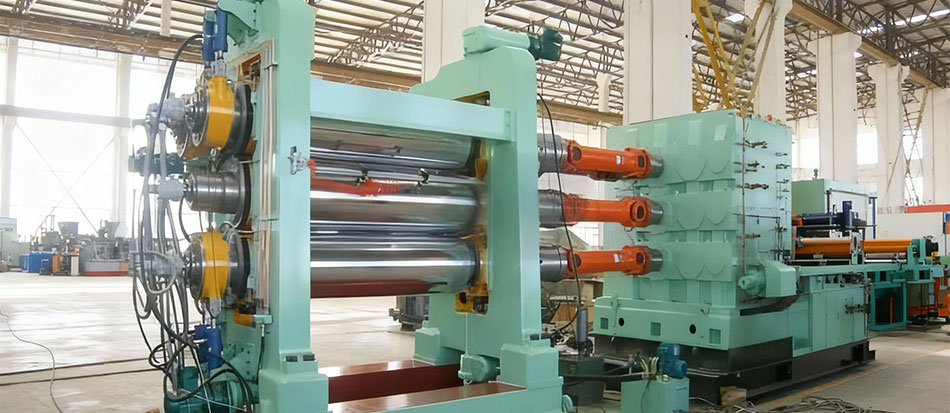
At its heart, the core working principle defines everything. When you use a rubber sheet calender, the material is shaped by passing it through a series of heated, counter-rotating rolls under high pressure. Think of it like a sophisticated rolling pin system that squeezes and smoothens a rubber compound into a precise, continuous sheet with a uniform thickness and excellent surface finish. This mechanical calendering process is ideal for producing flat products like sheets, films, or for applying a rubber coating onto fabrics or other substrates. In contrast, an extruder, which is APEX's area of expertise, operates on a fundamentally different principle. Here, you feed rubber or plastic compound into a barrel where a rotating screw conveys, compresses, melts, and homogenizes the material. It is then forced through a die at the end of the barrel, which gives the material its final cross-sectional profile—be it a tube, a rod, a complex profile, or even a sheet (using a flat die). So, while a calender presses and rolls material into shape, an extruder pushes and forms it through a shaped opening.
1.1、The Calender: Forming with Counter-rotating Rolls
When you operate a rubber sheet calender, you are essentially using a system of precisely controlled, counter-rotating rolls to form your material. The core action is one of compression and shearing. The rubber compound, which is typically pre-warmed and plasticated in a mixer, is fed into the nip—the gap between two adjacent rolls. As these rolls rotate towards each other, they squeeze the material, forcing it to conform to the precise gap setting.
This process allows you to achieve an exceptionally uniform thickness and a smooth, controlled surface finish. The calender doesn't just push material through; it meticulously meters it. By adjusting the speed, temperature, and gap between the rolls, you have direct command over the final sheet's gauge, density, and surface texture. It's a forming process defined by precision and surface quality.
Think of it like using a high-precision rolling pin on dough. You're not creating a new shape from nothing; you're taking a mass of material and flattening it into a sheet of exact dimensions. The counter-rotation is key—it generates the necessary shear and pressure to homogenize the compound and eliminate voids, resulting in a dense, consistent product ideal for applications like tire cord fabric coating, conveyor belting, or large, flat rubber sheets.
1.2、The Extruder: Shaping with a Screw and Die
An extruder shapes material through a fundamentally different mechanical action compared to a calender. Its core component is a rotating screw housed within a heated barrel. You feed raw compound—often in strip, pellet, or powder form—into the hopper. The screw then conveys, compresses, melts (in the case of thermoplastics), and homogenizes the material as it travels down the barrel.
The pressure generated by the screw forces the now-plasticized and uniform material through a specially designed shaping tool called a die. This is the defining moment. The die's orifice gives the material its final cross-sectional profile. Whether you need a simple solid rod, a complex hollow tube, a weatherstrip, or a wire coating, the die's geometry is what creates it continuously.
This process is inherently one-dimensional in its primary shaping direction: the material is pushed linearly out of the die. For you, this means extruders are the go-to choice for producing long, continuous products with a constant cross-section. The output is then typically cooled and cut to length. The key takeaway is that shaping happens internally by pressure and flow through a confined opening, not by external pressure between rolls.
1.3、Fundamental Force: Pressure vs. Shear & Conveyance
At its core, the distinction between a calender and an extruder lies in the fundamental force each machine applies to the material. For you, understanding this is key to selecting the right process. A calender operates primarily on the principle of pressure. It shapes the rubber compound by passing it through a series of precision-engineered, heated rolls (typically three or four) that exert immense compressive force. This action essentially squeezes and spreads the material into a continuous, uniform sheet or film of a specific, controlled thickness.
In contrast, an extruder's primary mode of action is a combination of shear and conveyance. You feed the rubber compound into a barrel containing a rotating screw. The screw's design and rotation impart shear forces, which plasticize and homogenize the material. Simultaneously, the screw's geometry conveys the material forward under pressure toward a shaping die. The final shape is formed as the material is forced (extruded) through the die's opening.
Therefore, for your production, if your goal is to create flat, wide, and dimensionally precise sheets or to apply a rubber coating onto a fabric (as in calender coating), the dominant pressure of a calender is the ideal mechanism. If your goal is to create continuous profiles, tubes, hoses, or any shape that can be defined by a die cross-section, the shear and conveyance action of an extruder is the fundamental force you need.
2、Primary Output and Product Applications
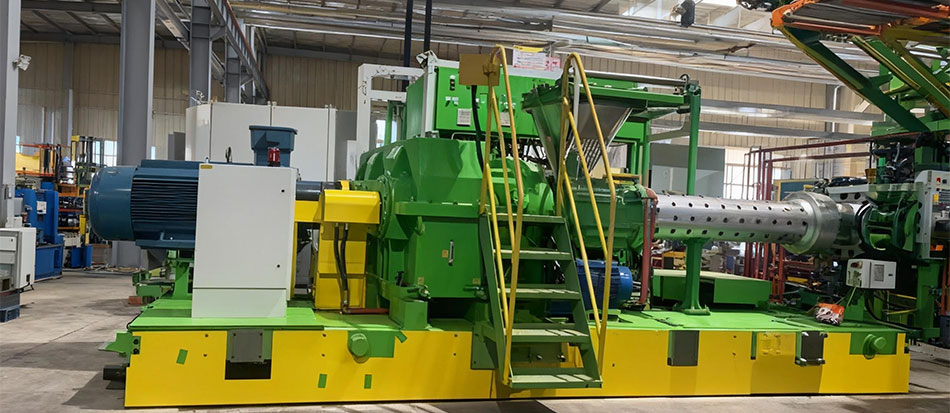
When you're evaluating the difference between a rubber sheet calender and an extruder, the most direct distinction lies in their primary output and the products they are designed to create. For your production line, this is a critical decision point. A calender is fundamentally a sheeting machine. Its core function is to produce continuous, uniform sheets or films of rubber or plastic with precise thickness and excellent surface finish. If your target products are items like conveyor belts, flooring materials, gaskets, or large-area coated fabrics, a calender from a specialist like APEX, with its expertise in high-precision machinery, would be the ideal choice. The process involves passing the material through a series of heated, counter-rotating rolls to achieve the desired gauge and smoothness.
In contrast, an extruder is a profiling machine. It is designed to force material through a shaped die to create continuous profiles with a fixed cross-section. Your production goals for items such as seals, hoses, tubing, window gaskets, or complex industrial profiles directly align with an extruder's capabilities. APEX's extensive portfolio in high-precision medical/industrial tubing lines and rubber profile equipment exemplifies this application. The extruder melts and homogenizes the compound before pushing it through the die, making it perfect for long-length products with consistent, often intricate, shapes. Therefore, your choice hinges on this: do you need a flat sheet (calender) or a shaped profile (extruder)?
2.1、Typical Products from a Calender
When you use a calender, you are primarily producing continuous, flat sheets or films of rubber or plastic. The process is exceptionally well-suited for creating products that require a uniform thickness, a smooth surface finish, and high dimensional accuracy across a wide width. The precision of the calender's rolls allows you to achieve these characteristics consistently, which is critical for many downstream applications.
Typical products manufactured on a calender include conveyor belts, where multiple layers of rubber-coated fabric are laminated together to build strength and durability. The calender precisely applies a uniform layer of rubber compound onto the fabric, a task for which it is uniquely qualified. Similarly, you would use a calender to produce large, flat rubber sheets used as raw material for gaskets, seals, or flooring mats.
Another key application is in the production of tire components. Calenders are extensively used to create the inner liner, the various ply coatings, and the tread underlay. The ability to coat textile or steel cord fabric with a specific, controlled gauge of rubber is fundamental to tire manufacturing, and the calender is the industry-standard machine for this purpose. It provides the necessary control over thickness and penetration of rubber into the cord.
Furthermore, if your production involves PVC or other plastic films for applications like wall coverings, tablecloths, or pool liners, a calender line is often the preferred choice. It can produce wide, glossy sheets with excellent surface quality that an extruder might struggle to match at the same scale and speed. In essence, whenever your end product is defined by being a flat, wide, and precisely gauged sheet or a fabric-reinforced composite, the calender is your go-to equipment.
2.2、Typical Products from an Extruder
When you utilize an extruder, you are primarily engaged in a continuous process of shaping materials through a die. The core output is a continuous profile with a fixed cross-section. This makes extruders exceptionally versatile for producing long, linear products where uniformity along the length is critical. The process begins with feeding rubber compound into the hopper, where it is conveyed, heated, plasticized, and homogenized by the rotating screw before being forced through a specifically designed die opening.
The range of products you can manufacture with an extruder is vast. A classic example is rubber seals and gaskets of all shapes and complexities—from simple O-rings and door seals to intricate automotive weather-stripping profiles. The ability to create hollow profiles, like tubing and hoses for various industrial and medical applications, is another key strength of extrusion. You can produce solid rods, intricate trim pieces, and even co-extruded products where multiple layers of different materials or colors are combined in a single pass.
Beyond simple profiles, extruders are fundamental in cable and wire manufacturing for applying the insulating or sheathing rubber jacket. They are also used to produce raw material for other processes, such as creating strips or blanks that will later be molded into specific parts. The defining characteristic of extruded products is their constant cross-sectional geometry, which is determined precisely by the shape of the die. This continuous, high-volume output is ideal for your production lines requiring long lengths of consistent product with minimal cross-sectional variation.
2.3、Overlap and Niche Applications
While the primary applications of calenders and extruders are distinct, there is a significant area of overlap in the production of continuous sheets or films. This is where your choice becomes highly strategic. For instance, a high-precision, multi-roll calender is the undisputed champion for producing tire cord fabric with perfectly embedded steel or textile cords, a task an extruder cannot perform. Conversely, for a simple, thick rubber mat, a basic sheet die on an extruder might be the most cost-effective and efficient solution.
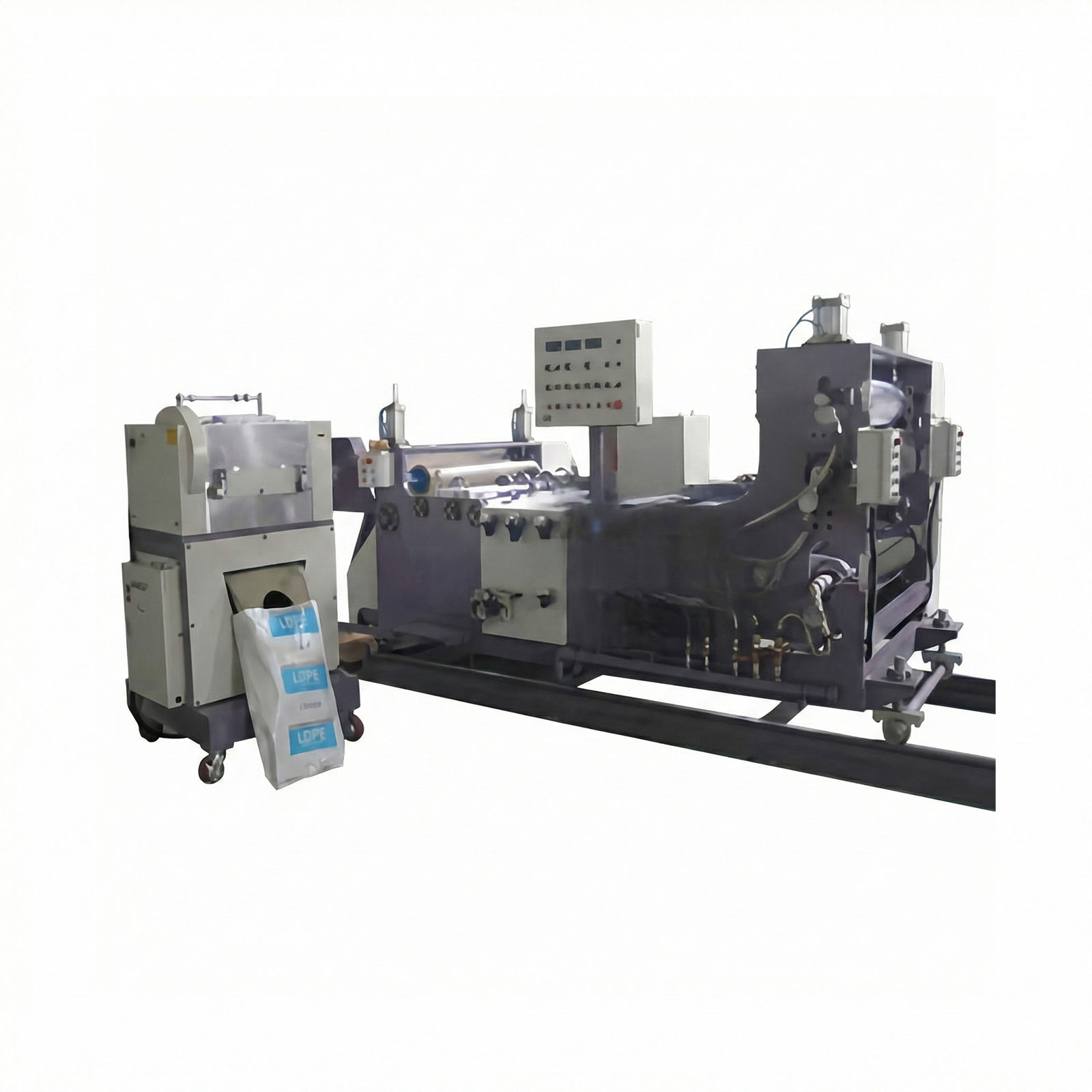
In niche applications, the lines blur further. Consider the production of certain types of coated fabrics or laminates. You might use an extruder to create a thin, molten polymer film, which is then immediately laminated onto a fabric web using a calender's pressure and heat. This hybrid approach combines the extruder's melting efficiency with the calender's superior surface finish and bonding capability.
Another critical niche is in the realm of highly filled or specialty compounds. If you are working with a compound loaded with short fibers or other reinforcements that require intense shear and distributive mixing, you would typically rely on an internal mixer and then an extruder with a mixing screw. Feeding this pre-mixed, hot compound directly into a calender (a process known as roller die or extruder-fed calender) allows you to achieve the dimensional accuracy and surface quality of calendering for a material that was primarily processed by extrusion principles.
Therefore, your decision shouldn't be viewed as a rigid either/or. The most advanced production lines sometimes integrate both technologies. Understanding this overlap allows you to design a process that leverages the strengths of each machine: using the extruder as a high-volume, continuous melter and pre-former, and the calender as a precision finishing tool for gauge control and surface perfection. Your specific product specifications, quality targets, and production volume will dictate where on this spectrum your optimal solution lies.
3、Key Equipment Components and Setup
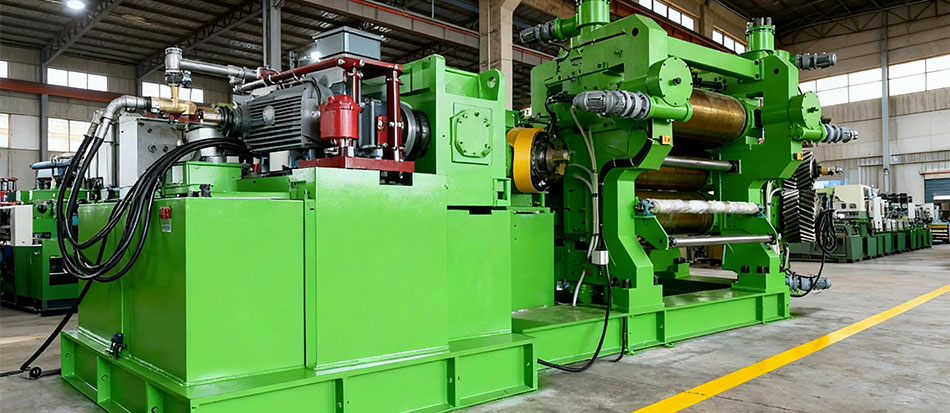
Now that you understand the fundamental distinction, let's examine the key equipment components and setup. A rubber sheet calender is essentially a series of precision-ground, heated rolls arranged in various configurations like L-type or Z-type. The core components are these massive, temperature-controlled rolls and a sophisticated gear drive system that ensures uniform speed and pressure. The material is fed between the rolls, which squeeze and spread it into a continuous, flat sheet of precise thickness. In contrast, an extruder, such as the high-precision models from APEX, is built around a single-screw or twin-screw mechanism housed inside a heated barrel. Your material is fed into the hopper, conveyed, melted, mixed, and compressed by the rotating screw(s) before being forced through a die that shapes the final product—be it a tube, profile, or filament. The setup for a calender focuses on roll alignment and gap control, while an extruder's setup revolves around screw design, barrel heating zones, and the specific die. This fundamental difference in core mechanics dictates their entire operational philosophy and the type of products you can efficiently manufacture.
3.1、Inside a Rubber Sheet Calender
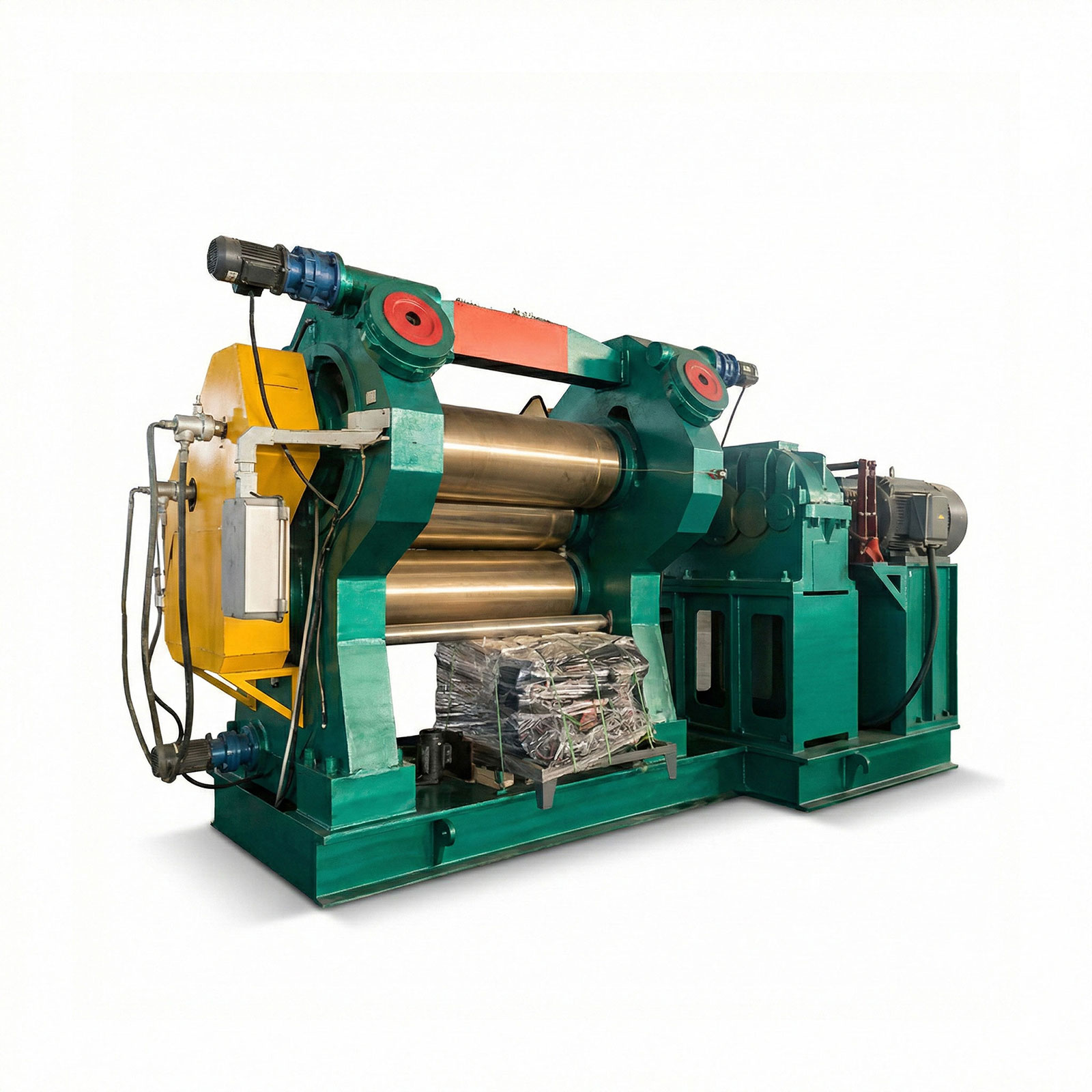
When you look inside a rubber sheet calender, you'll find a relatively straightforward yet highly precise mechanical system. The core of the machine consists of three or four massive, internally heated, and precisely ground rolls arranged in an 'L', 'Z', or inverted 'L' configuration. These rolls rotate in opposite directions to create a 'nip'—the crucial gap where the rubber compound is squeezed and formed into a continuous sheet.
The material is typically fed into the first nip from a warming mill or directly from a mixer. As it passes through each successive nip, the thickness is progressively reduced and controlled. You have direct, immediate control over the final sheet thickness by adjusting the gap between the rolls, which is a key operational advantage for producing uniform, gauge-accurate sheets.
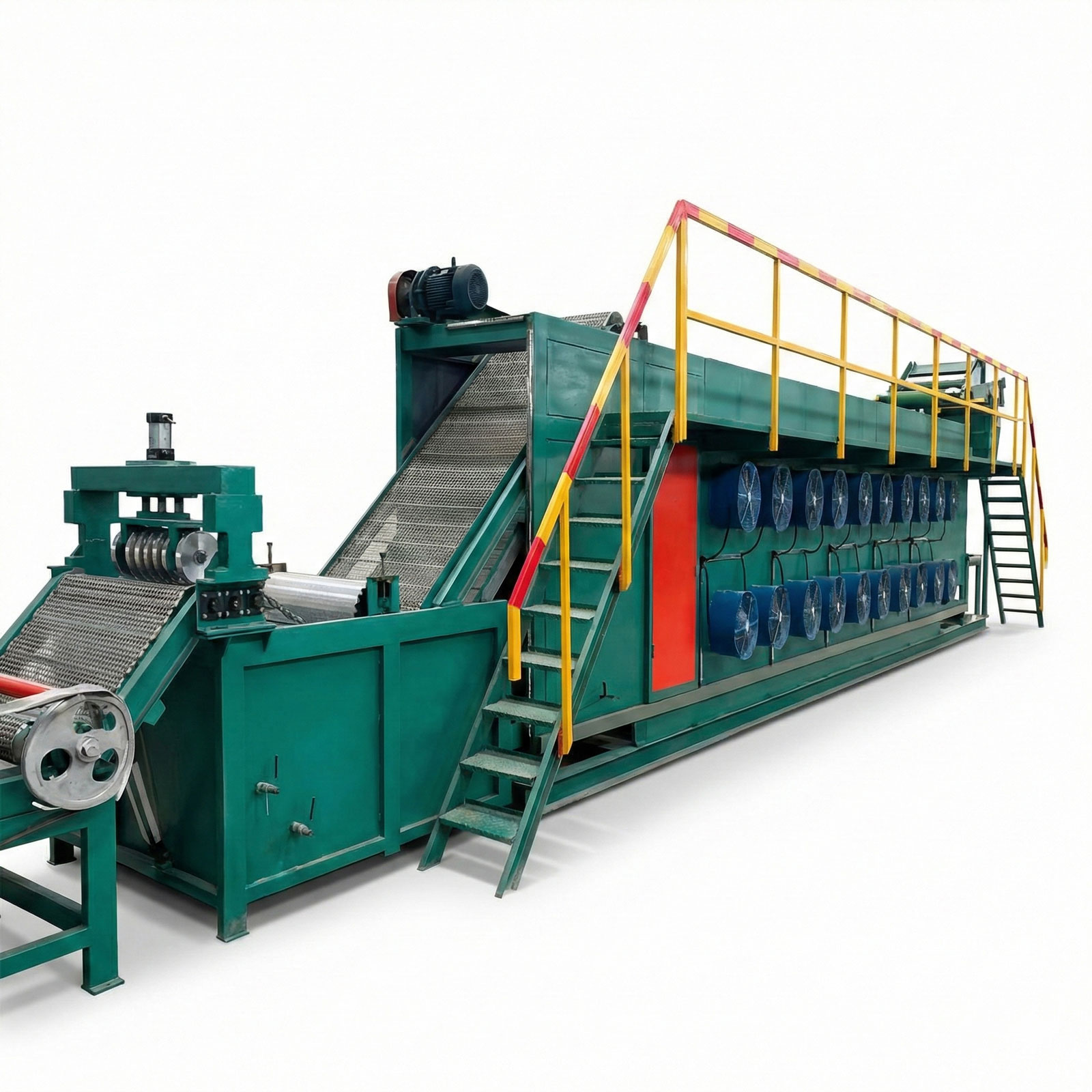
Beyond the main rolls, the calender includes a complex web handling system. This consists of conveyor belts, cooling drums, and wind-up units. After the rubber exits the final nip, it is cooled on these drums to set its dimensions and prevent sticking before being wound into large rolls. The entire setup is designed for high-volume, continuous production of flat sheets with excellent surface finish and dimensional consistency.
Understanding this internal setup helps you appreciate why calenders are the preferred choice for applications like tire cord fabric coating, producing large, wide sheets for flooring or roofing membranes, and any process where a flawless surface and tight thickness tolerances are non-negotiable.
3.2、Inside an Extruder
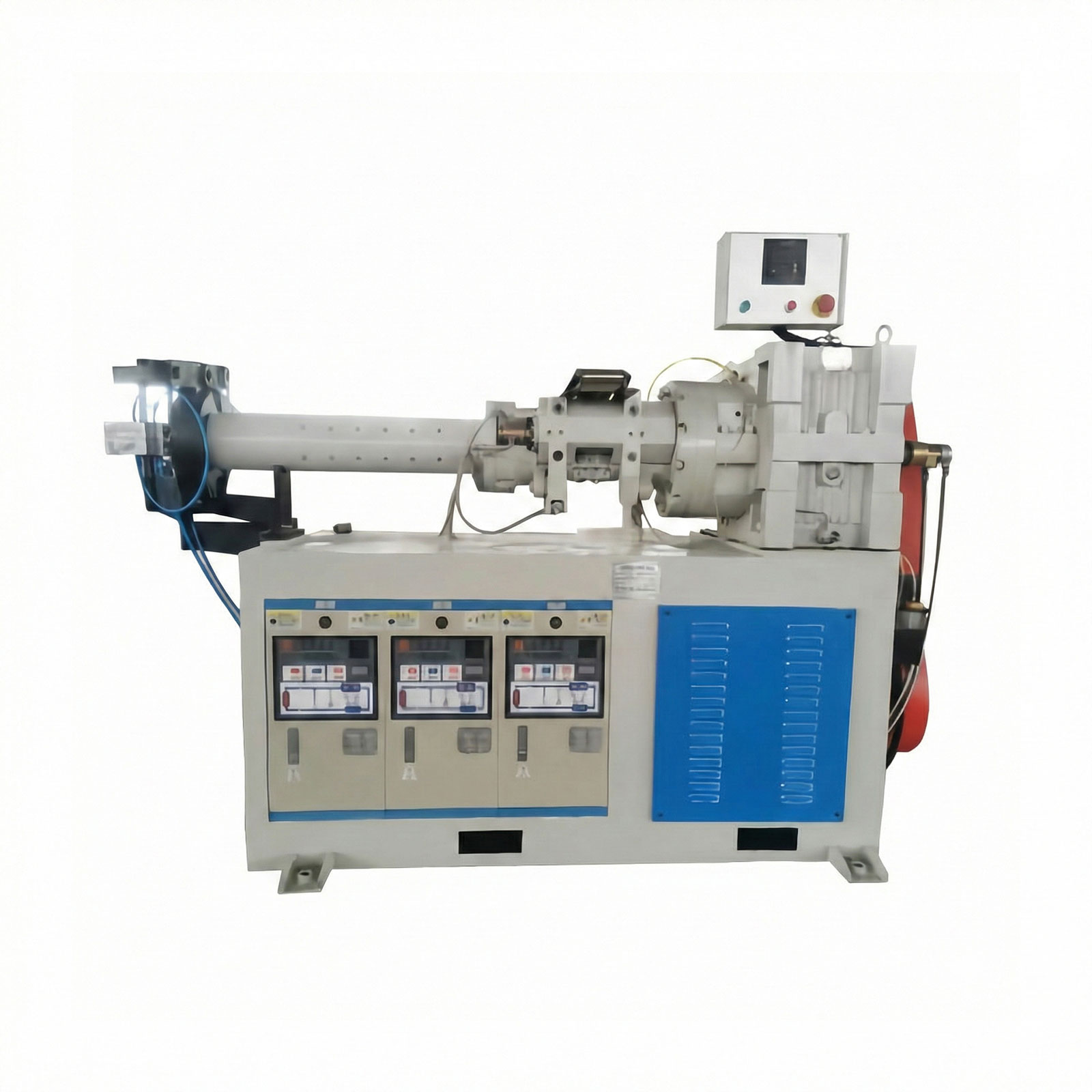
When you look inside an extruder, you are essentially examining a continuous pressure cooker and pump for your rubber or plastic compound. The heart of the system is the barrel and the rotating screw. As you feed material into the hopper, the screw conveys it forward through the heated barrel. The key zones here are the feed zone, compression (or transition) zone, and metering zone, each designed to progressively melt, mix, and pressurize the material.
The design of the screw itself is critical for your process. You can choose from various screw geometries—single, twin (co-rotating or counter-rotating), or even multi-screw configurations—depending on the mixing efficiency and shear required for your specific compound. The barrel heaters and the shear heat generated by the screw's rotation work together to bring the material to a uniform, viscous melt state.
At the end of the barrel, you find the die. This is the tool that shapes the pressurized melt into its final continuous form, be it a simple profile, a tube, or a sheet. Unlike a calender, where shaping happens between rolls, in an extruder, the shaping is done by forcing the material through a precisely machined opening. The setup is inherently linear and continuous, making it ideal for long, uniform products.
3.3、Comparing System Complexity and Footprint
When you assess the system complexity, a calender line is inherently more intricate. It's not a single machine but a coordinated production line consisting of the calender itself, multiple pre-heating and feeding devices, cooling drums, a draw-down unit, and often a wind-up system. The synchronization of these components, especially the precise speed and temperature control across multiple massive rolls, demands sophisticated control systems and skilled operation. The setup requires careful leveling and alignment to ensure uniform sheet gauge.
In contrast, an extruder system is more compact and integrated. The core of the process happens within the single barrel-and-screw assembly. While downstream equipment like cooling tanks, haul-offs, and cutters are needed, the heart of the operation is more self-contained. The complexity lies in the screw design, barrel heating zones, and die engineering, but the overall footprint of the main processing unit is typically smaller and more linear compared to the sprawling layout of a multi-roll calender.
Regarding physical footprint, calenders generally require significantly more factory floor space. The machine itself is large, with its massive rolls requiring a robust foundation, and the necessary upstream and downstream auxiliary equipment spreads out in a line. An extruder setup, while still requiring space for downstream handling, often has a more vertical or compact linear footprint. This makes extruders potentially more suitable for facilities with space constraints, whereas calenders are typically found in large-scale, dedicated sheet production plants.
Your choice here impacts not just your capital expenditure but also your operational workflow and facility planning. A calender offers unparalleled precision for sheet products but at the cost of a larger, more complex installation. An extruder provides greater versatility in profile shapes with a generally simpler, more space-efficient core system, though achieving the same level of sheet dimensional tolerance might require additional, precise downstream calibration.
4、Operational Considerations and Selection Criteria

When you're deciding between a rubber sheet calender and an extruder, the choice hinges on your specific operational goals and product requirements. For continuous profiles like tubes, seals, or complex industrial filaments, an extruder is typically your go-to machine, offering high-volume, consistent output. APEX's expertise in high-precision medical/industrial tubing lines and specialty extruders makes it a prime choice for these applications. Conversely, if your primary need is to produce wide, uniform, and exceptionally smooth sheets or to apply a rubber coating onto fabrics or other substrates, a calender is the superior tool. Your decision must weigh factors like material viscosity, required sheet width and thickness tolerance, production speed, and the desired surface finish. As a technology-driven company, APEX leverages its R&D capabilities to advise clients on selecting the most efficient, energy-saving, and intelligent solution—whether it's a calendering or extrusion system—to optimize your production line for global competitiveness.
4.1、Material Suitability and Formulation
When you're deciding between a calender and an extruder, the first and most critical filter is your material's suitability. Not all rubber or polymer compounds behave the same way under the forces of calendering versus extrusion. Your formulation's rheology—its flow and deformation characteristics—is the deciding factor.
Calenders excel with formulations that have a high degree of green strength and dimensional stability. If you are processing compounds that are highly loaded with fillers (like carbon black or minerals) or require precise, uniform thickness over a wide sheet, a calender is often the superior choice. The material must be able to withstand the significant shear and pressure between the rolls without tearing or distorting.
Conversely, extruders are the champions of continuous shaping and are more forgiving with a wider range of viscosities. If your compound is designed to be pumped, shaped through a die, and then vulcanized—think of profiles, tubing, or tire treads—then an extruder aligns with your needs. The formulation here must have sufficient plasticity to flow smoothly through the screw and die but also enough cohesion to hold its shape upon exiting.
Ultimately, your material recipe dictates the machine. A compound formulated for a high-quality, bubble-free sheet from a calender might not extrude well, and vice-versa. Consulting with your compound supplier or conducting trials is essential to match your formulation to the correct process principle.
4.2、Production Speed, Thickness Control, and Accuracy
When you evaluate production speed, the calender and extruder operate on fundamentally different principles. A calender's speed is primarily determined by the rotation speed of its rolls and the number of passes required. For continuous sheet production, it can achieve high linear speeds. However, its speed is intrinsically linked to achieving precise thickness; pushing for higher speeds can sometimes compromise the uniformity and surface finish of the sheet, especially with sensitive compounds.
In contrast, an extruder's production speed is governed by the screw speed, barrel temperature profile, and the die design. It excels in producing very long, continuous profiles at a consistent rate. The speed is often more easily scalable for high-volume output of a specific cross-section. For simple profiles, extruders can typically achieve higher volumetric output rates compared to calendering for the same material.
Thickness control is where the distinction becomes stark. A calender offers exceptional precision in controlling sheet thickness, often down to tolerances of ±0.001 inches or better. This is achieved through the precise micrometric adjustment of the nip gap between the precision-ground rolls. It is the preferred method when you require a sheet with a very consistent and accurate thickness across its entire width and length.
An extruder relies on the die lip adjustment and the consistent melt pumping action of the screw for thickness control. While modern extruders with feedback loops offer good control, the inherent nature of melt flow can lead to slightly wider thickness tolerances compared to calendering, especially for wide sheets. Its strength lies in controlling the dimensions of a profile's cross-section rather than the absolute thickness of a wide, flat sheet.
Regarding accuracy and surface finish, the calender provides a superior, smooth, and polished surface directly from the rolls, which is often a final product requirement. The extruded surface, while smooth, typically bears the melt flow marks and may require additional polishing or embossing rolls post-extrusion to achieve a specific finish. Therefore, if your priority is dimensional accuracy and pristine surface quality for sheets, the calender is unequivocally more accurate. For dimensional consistency in profiles and tubes, the extruder is the accurate choice.
4.3、Energy Consumption and Operational Costs
When evaluating the energy consumption of a rubber sheet calender versus an extruder, you must consider their distinct operational modes. A calender typically requires significant power to drive its massive, precision-ground rolls and maintain them at a consistent, often high, temperature across a wide surface area. This can lead to substantial electrical and thermal energy usage, especially during continuous high-volume sheet production. In contrast, an extruder's primary energy draw comes from the powerful motor turning the screw and the heaters along the barrel. While also energy-intensive, the energy is focused on a smaller, contained volume of material, which can sometimes lead to more efficient melting and mixing per unit of output, depending on the compound and screw design.
Operational costs extend beyond just the electricity bill. For calenders, you face higher initial capital investment and potentially greater maintenance costs associated with the large, critical roll bearings and complex hydraulic or gap control systems. The precision required in roll alignment and surface finish also demands specialized and costly periodic regrinding. Extruders, while also a major investment, often have a different cost profile. Screw and barrel wear is a primary concern, and replacement costs can be high, but maintenance intervals might be more predictable. The cost of downstream equipment (like the die, cooling, and haul-off for an extruder versus the wind-up system for a calender) must also be factored into your total line cost.
Your choice directly impacts labor and material efficiency, which are key cost drivers. A calender line is often best suited for long, uninterrupted runs of the same product to maximize its efficiency and justify its high energy overhead. Changeovers can be time-consuming. An extruder line can offer more flexibility for shorter runs and faster product changeovers, especially with modern quick-change die systems. Furthermore, material waste (scrap) generation differs; calenders can produce edge trim and start-up waste, while extruders generate purging material during changes. You need to analyze which process yields a higher net output of saleable product for your specific formulations and product dimensions.
Ultimately, your selection between a calender and an extruder for energy and cost efficiency hinges on your production volume, product mix, and material characteristics. For consistent, high-volume production of wide, uniform sheets or fabrics, the calender's operational costs may be justified by its superior surface finish and dimensional control. For profiles, tubes, or a wider variety of sheet types where flexibility and continuous compounding are needed, the extruder's operational model might offer a lower total cost of ownership. Conducting a thorough lifecycle cost analysis, including energy, maintenance, labor, and material yield, is essential for making the most economical decision for your business.
4.4、Making the Right Choice for Your Project
To make the right choice for your project, you must first define your core product specifications. Ask yourself: What is the primary form of my output? If you need continuous profiles with a fixed cross-section, such as seals, hoses, or complex tubing, the extruder is inherently designed for this task. Conversely, if your goal is to produce wide, flat sheets or films with precise thickness control and superior surface finish, the calender is the specialized tool for the job.
Next, evaluate your material characteristics and processing requirements. Consider the compound's viscosity, heat sensitivity, and filler content. Calenders excel at handling high-viscosity, heavily filled compounds for sheet goods, applying intense pressure and shear in a short, controlled nip. Extruders, with their longer barrel and screw design, are better for plasticizing, homogenizing, and continuously pumping materials, making them versatile for a wider range of compound consistencies but potentially less ideal for very tacky or specific sheet-finishing needs.
Finally, analyze your production scale, flexibility demands, and capital investment. Calender lines are typically larger, involve higher initial investment and floor space, and are optimized for high-volume, dedicated sheet production. Extruders offer greater flexibility for changing die heads to produce different profiles and can be more compact and cost-effective for certain applications. Your choice ultimately hinges on aligning the machine's fundamental processing principle with your product's form, quality standards, and business objectives.
In summary, the difference between rubber sheet calender and extruder boils down to their core mechanics: calenders use pressure between rolls to form sheets, while extruders use a screw to push material through a die to create profiles. Your choice fundamentally depends on whether you need wide, uniform sheets or continuous, shaped profiles. Understanding this core distinction is the first step toward optimizing your production line for quality and efficiency.
Selecting the right machine is a strategic investment. We hope this comparison has empowered you with the clarity needed to evaluate your specific product requirements, material behavior, and production volume. Remember, the best choice aligns your technical needs with long-term operational goals.
When you're ready to invest in precision-engineered equipment, consider partnering with a trusted innovator. At APEX (Qingdao Aipake Machinery Technology Co., Ltd.), we specialize in advanced, energy-efficient, and intelligent solutions for the rubber and plastic industry. Founded in 2014, our high-tech enterprise integrates R&D, manufacturing, and sales, offering a range from personal care wire extruders to high-precision medical tubing lines, rubber foaming systems, and PU/sponge CNC production lines. Backed by a provincial engineering center and a smart manufacturing base, our equipment serves top clients in over 30 countries, providing the technological edge and global competitiveness your project deserves.